
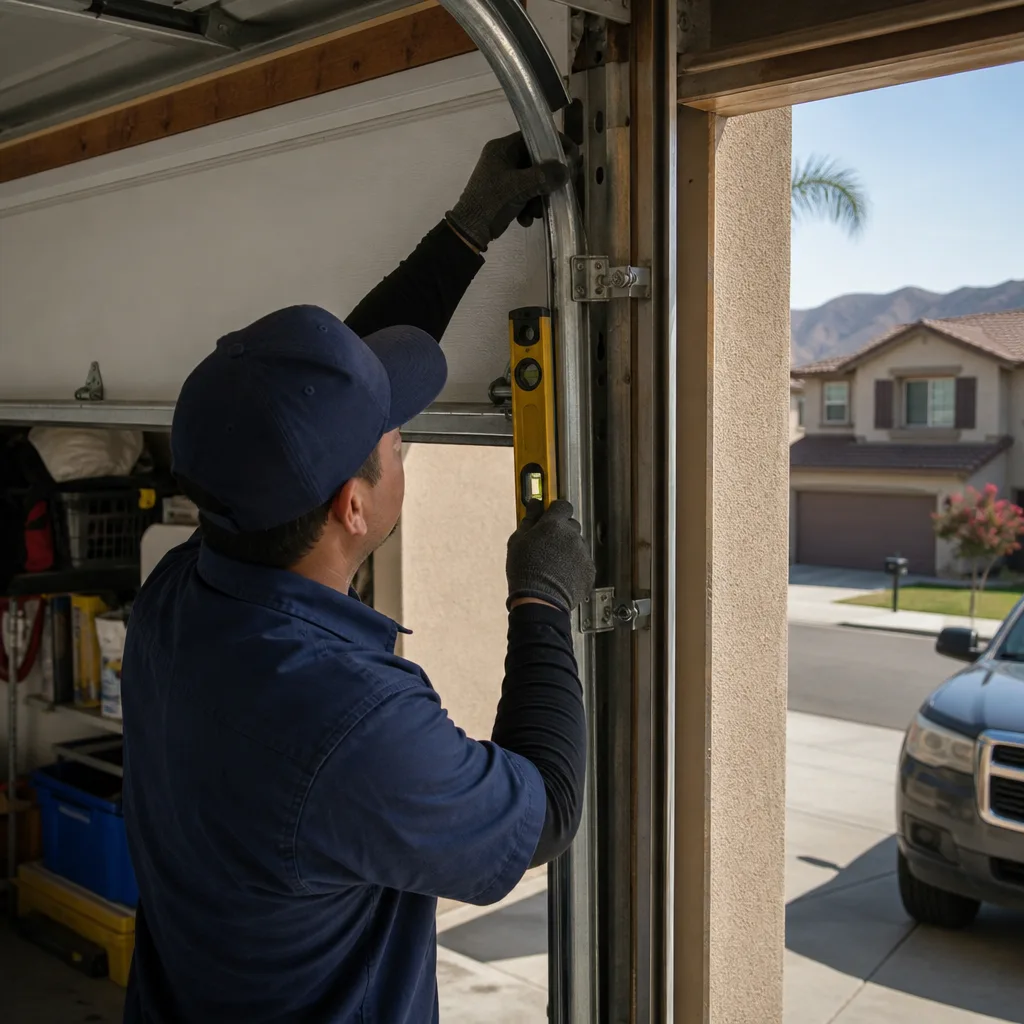
Last updated November 2, 2026
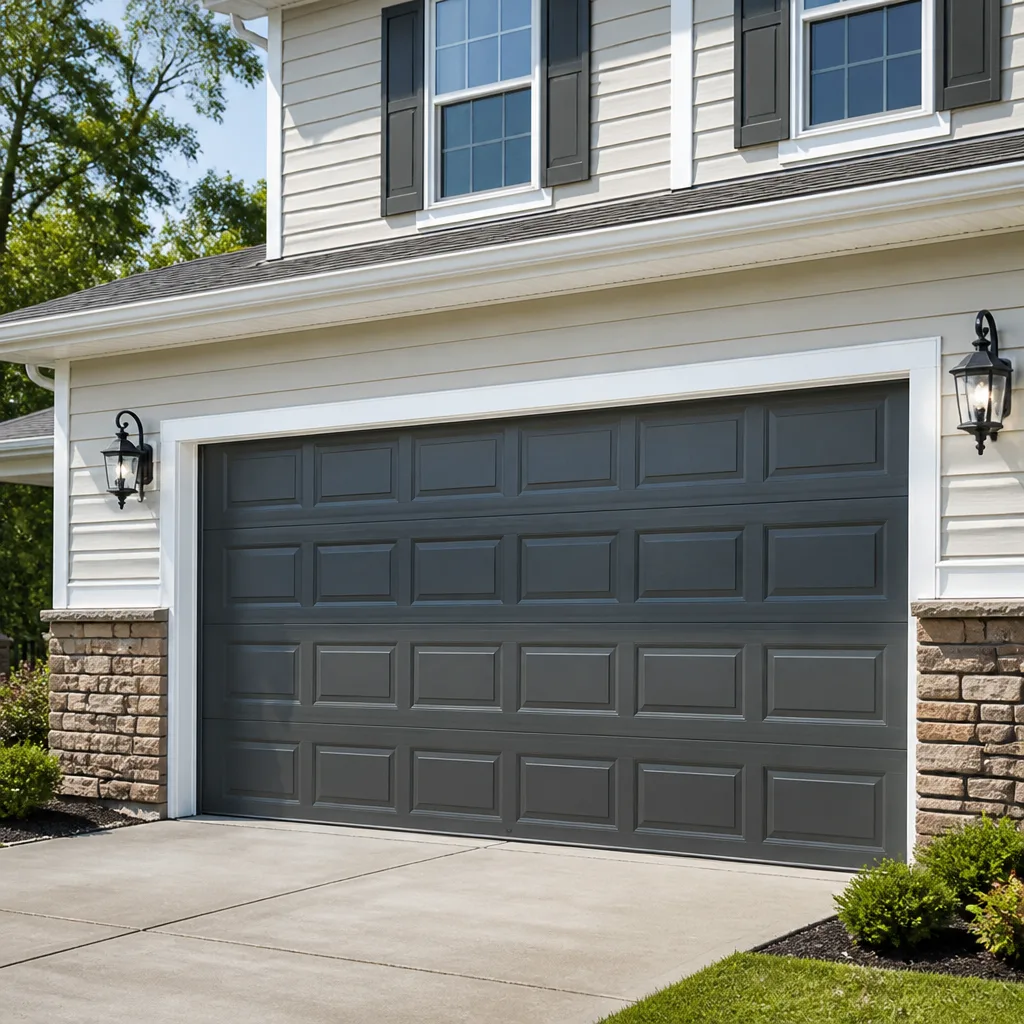 Raised-panel steel
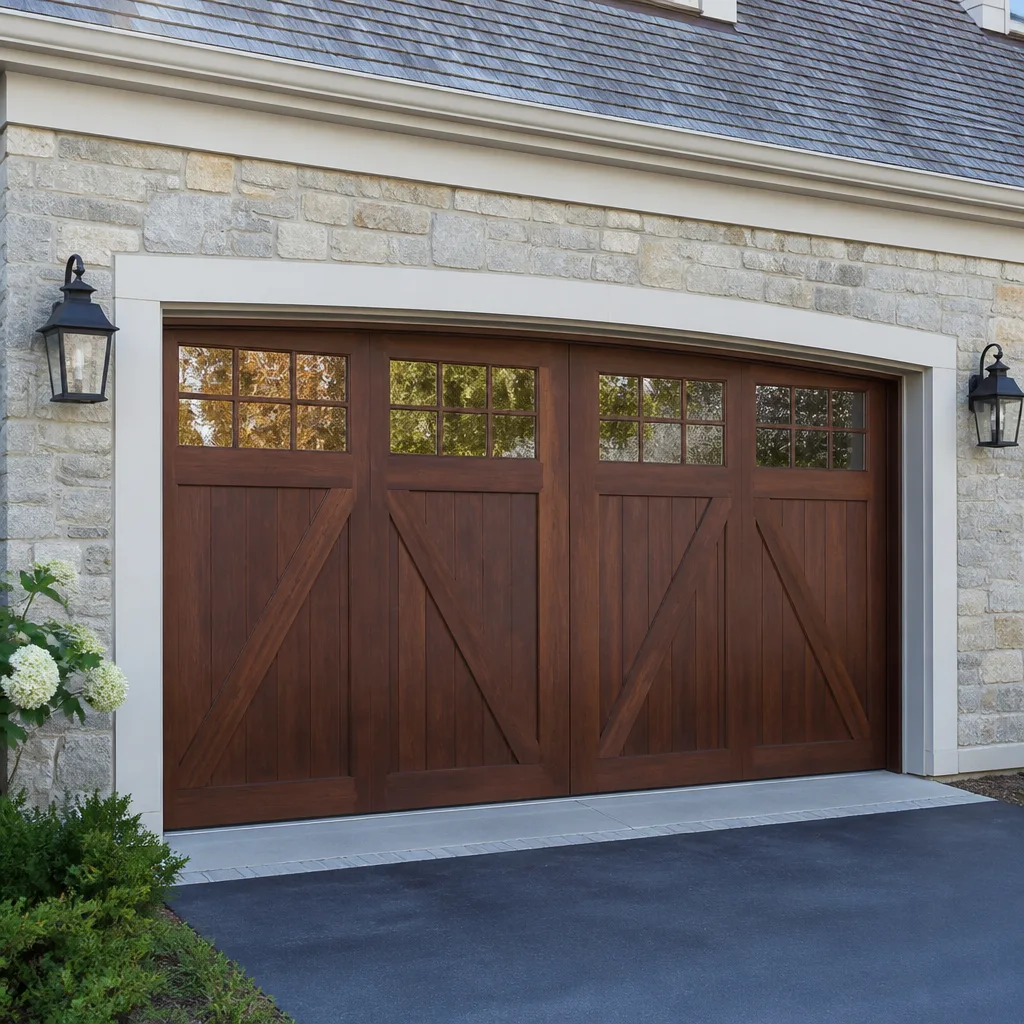 Carriage house
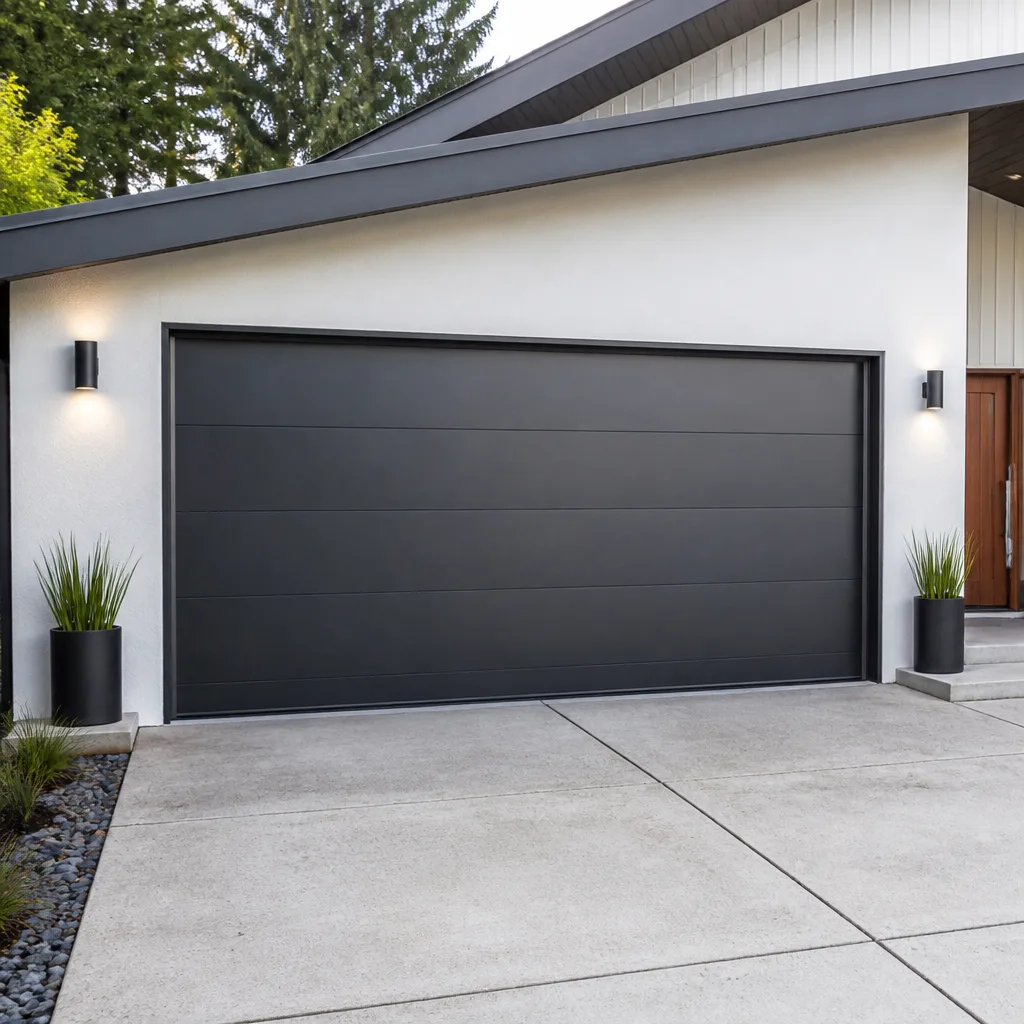 Modern flush
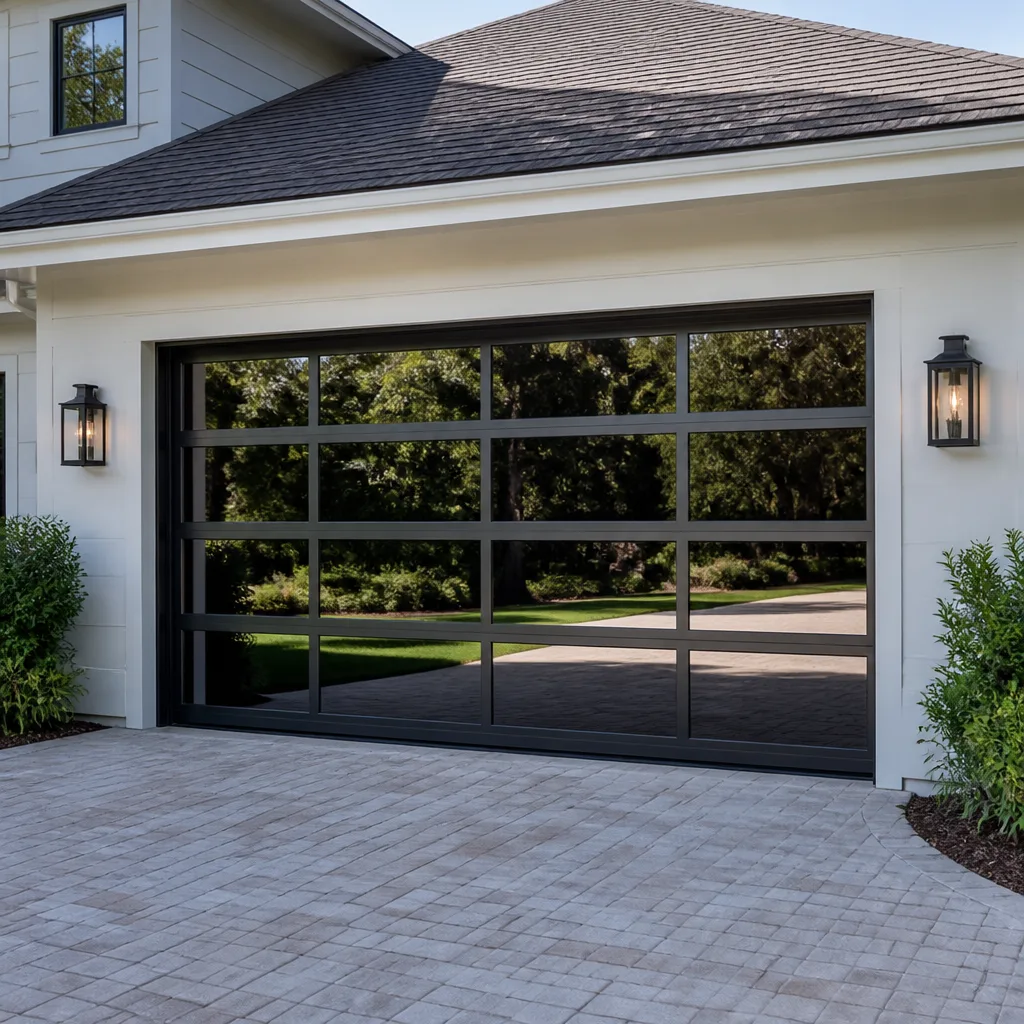 Full-view glass
 LiftMaster openers
 Chamberlain openers
Full 25-point door and opener safety check with every visit - springs, cables, rollers, tracks, and your LiftMaster or Chamberlain opener included
You get a price before we start. It does not change when the truck arrives.
Get your free estimateHow to Hire a Garage Door Contractor in Jurupa Valley: A Step-by-Step Guide
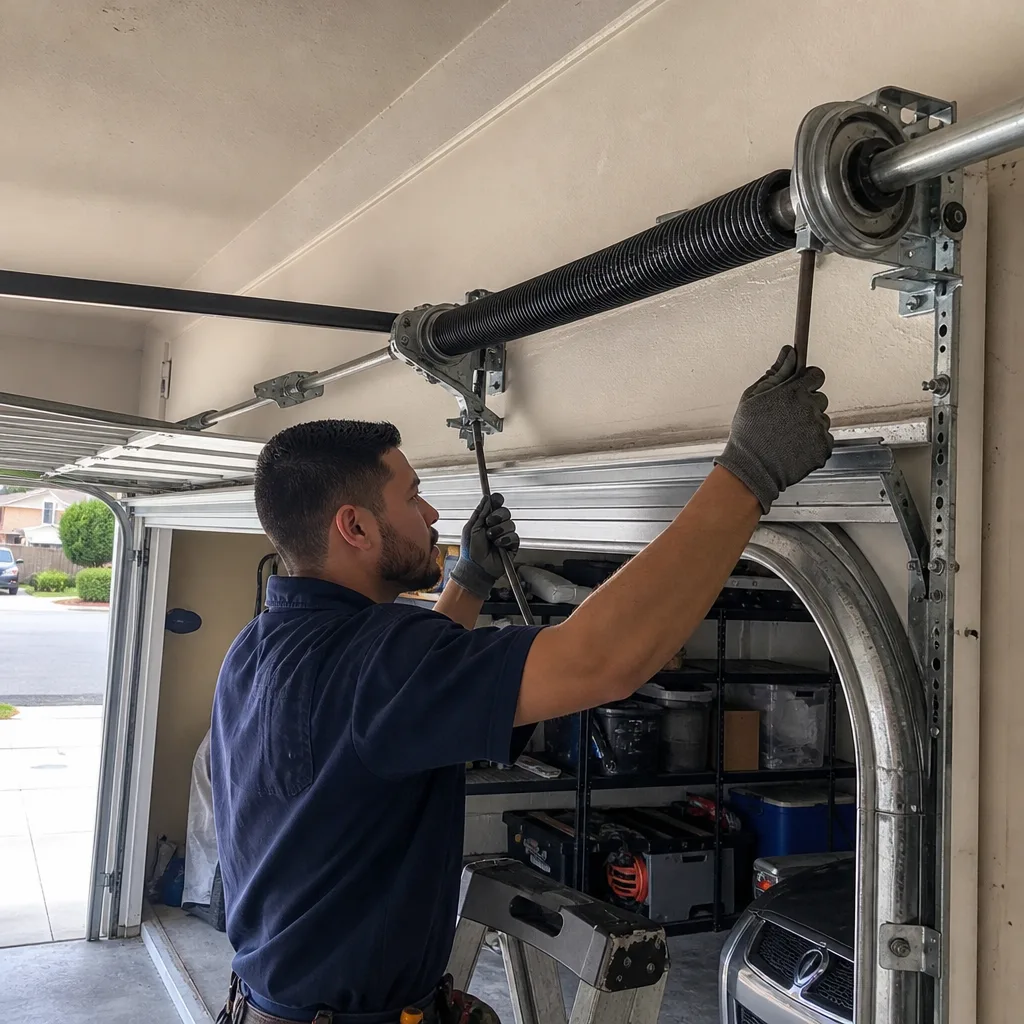
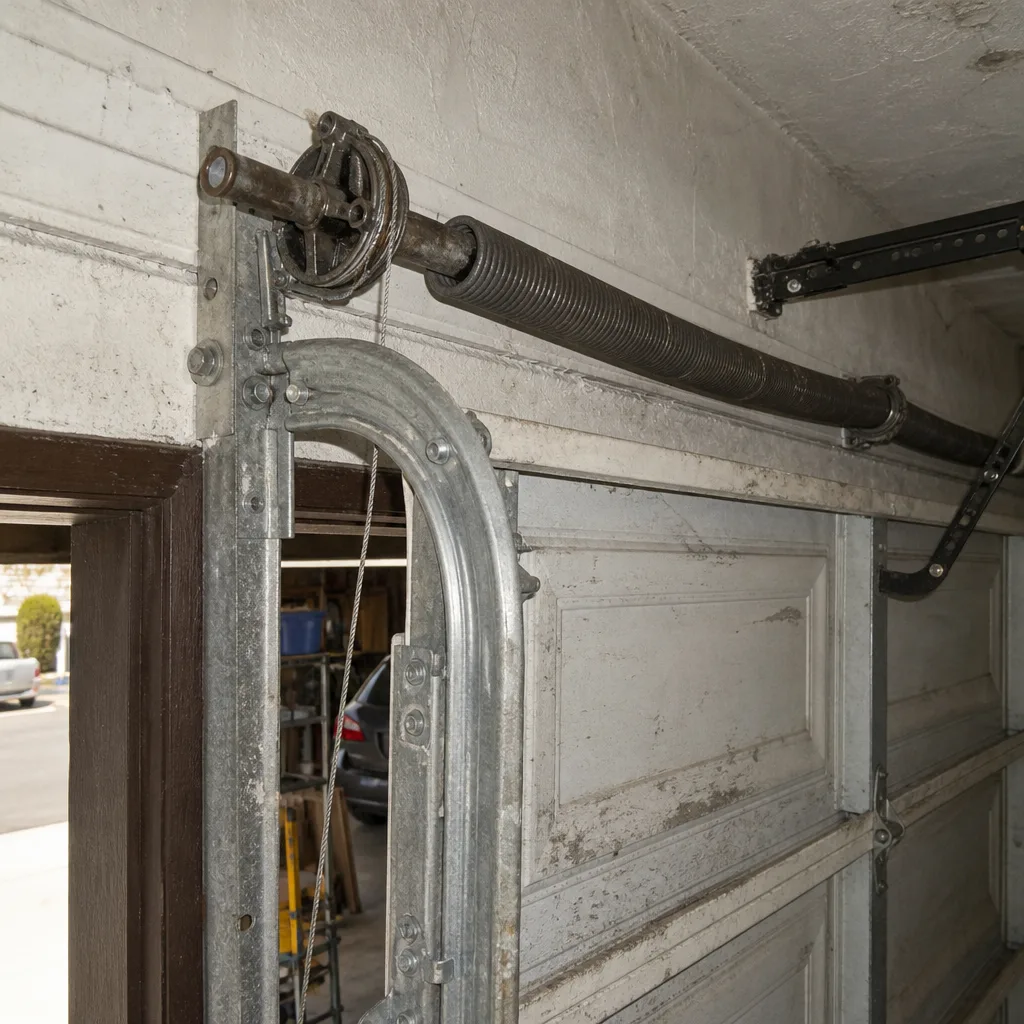
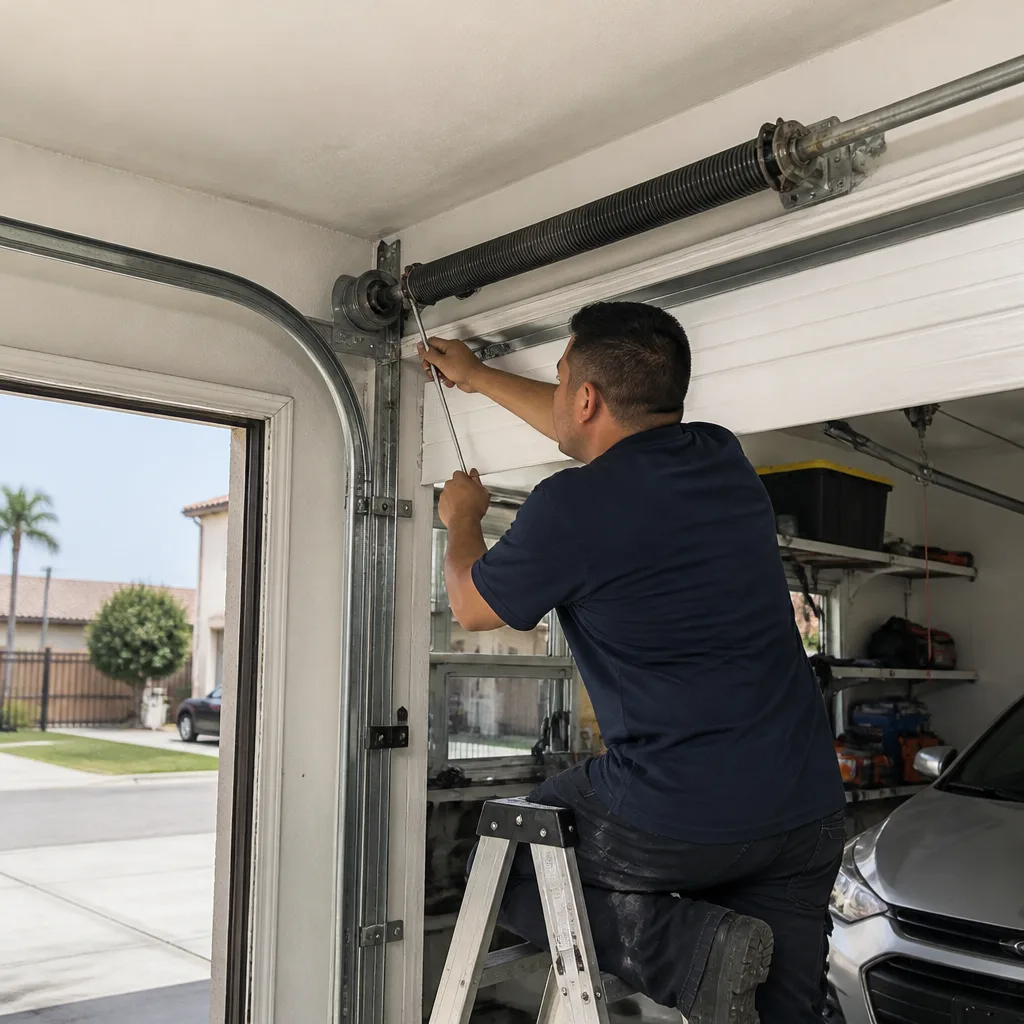
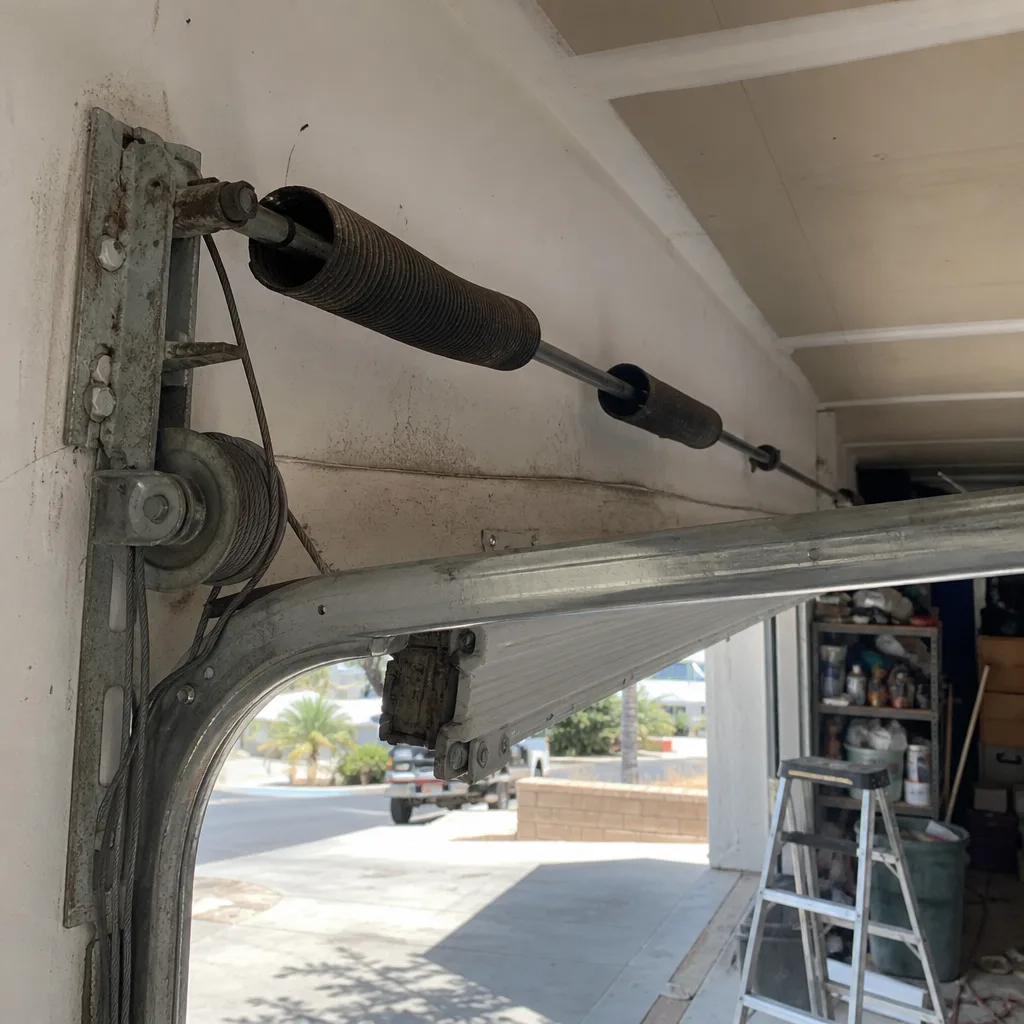
Here’s a number most homeowners in Jurupa Valley don’t know: a garage door weighs between 130 and 400 pounds, and the torsion springs holding it up are wound under enough tension to strip the skin off your hand if they slip. That’s why hiring this job out isn’t like hiring a painter. The stakes are structural, mechanical, and personal safety all at once. This guide is not another “check reviews and call three companies” list. We’re going to teach you how to separate the three types of contractors who will show up at your door in Jurupa Valley: the brand-locked dealer, the general handyman, and the specialist who can actually diagnose your system. By the end, you’ll have a repeatable vetting process you can use on every estimate call.
Styles & brands we work with
- Raised-panel steel
- Carriage house
- Modern flush
- Full-view glass
- LiftMaster openers
- Chamberlain openers
Quick Answer
To hire a garage door contractor in Jurupa Valley, verify their California CSLB license classification (C-61/D-28 specifically covers garage door work), confirm they service your existing brand rather than pushing one manufacturer, require a written estimate with itemized line items for spring size and hardware, and avoid contractors who won’t give you the door weight and spring wire diameter in writing. The right contractor asks what’s on your door before telling you what they sell.
Table of Contents
- Step 1: Verify the License in Under Two Minutes
- Step 2: Test for Brand Lock Before You Invite Anyone Out
- Step 3: Get These Questions Answered Before Work Starts
- Step 4: Read a Written Estimate Like an Auditor
- Step 5: Understand Why the Lowest Bid Is the Riskiest on Spring and Cable Work
- Step 6: Spot Dispatch Outfits Before They Send a Stranger
- Step 7: Red Flags That Walk and Talk Like a Mistake
- Jurupa Valley-Specific Considerations
- Common Mistakes to Avoid
- When to Call a Professional
- Frequently Asked Questions
- The Bottom Line
Step 1: Verify the License in Under Two Minutes
California requires a contractor license for any garage door job over $500 in labor and materials, including parts. The specific classification that applies is C-61/D-28, a limited specialty classification for “Door and Gate Services” covering garage doors, openers, gates, and related hardware. A general contractor with a B license can legally take the job, but a C-61/D-28 holder has demonstrated tested competency in this exact trade. Here’s the two-minute verification process:
- Ask for the license number on the phone, not after the estimate. A licensed contractor volunteers this. A contractor who hesitates or says they’ll “bring it to the appointment” is often not licensed.
- Go to the CSLB website and search the number. Look at the classification. If it says C-61/D-28, they’re specifically licensed for door work. If it only says B, ask about their door experience. A B license alone doesn’t mean they work on doors regularly.
- Check that the business name on the license matches the name on the estimate. A mismatch usually means you’re dealing with a subcontractor arrangement you didn’t agree to.
- Look for workers’ compensation insurance if they bring a helper. If a worker gets hurt on your property and the contractor has no workers’ comp, the liability can land on your homeowner’s insurance. Ask to see the certificate.
In Jurupa Valley, many homes date from the 1970s through the 2000s, which means a wide mix of door types and opener generations. A C-61/D-28 holder is tested on that range. A handyman with a business card is not. This is the single fastest filter for eliminating the wrong contractor before they ever roll up your driveway.
Our team at Briarwood Garage Door Repair home holds the appropriate licensing and carries full liability insurance. If you’re comparing contractors, ask for the same from every bidder. The ones who hesitate are doing your filtering for you.
Step 2: Test for Brand Lock Before You Invite Anyone Out
Here’s the problem with single-brand dealers: they are structurally, financially, and contractually motivated to replace your existing system with the brand they carry. If a Clopay dealer shows up at a house with an Amarr door, the repair is a lost opportunity. They don’t make money fixing what you have. They make money selling what they stock. That’s not a moral failing; it’s the business model. But it’s your money, and you deserve a contractor whose recommendation isn’t shaped by an inventory shelf.
The brand lock test works like this. When you call for an estimate, tell the contractor what’s on your door. Say the brand name clearly: “I have a Wayne Dalton door with a Chamberlain opener.” Then listen.
A brand-agnostic contractor responds with questions about the problem: what kind of noise, when the problem started, whether the opener still moves the door, whether the spring is in one piece. A brand-locked contractor responds with something about their preferred brand before they’ve diagnosed anything. If the first five sentences out of their mouth are about what they sell rather than what you have, you’re not talking to a diagnostician. You’re talking to a salesperson with a truck.
Briarwood Garage Door Repair is brand-agnostic by design. We service LiftMaster, Chamberlain, Genie, Clopay, Amarr, Wayne Dalton, Craftsman, and Raynor, which means we have no reason to recommend a replacement unless the one on your door is actually dead. Whatever brand is on your door, we know it. That’s not a slogan; it’s the operating principle. We carry parts across manufacturers because the homeowner’s system is what matters, not our relationship with any single factory.
Step 3: Get These Questions Answered Before Work Starts
Most contractors get chosen on personality and price. Neither of those tells you whether the job will be correct. Here are the questions that actually separate a garage door specialist from someone who’s winging it. Write these down. Use them on every call.
- What is the door’s weight, and what spring wire diameter and inside diameter are you installing? A correct torsion spring replacement depends on these numbers. If the contractor can’t tell you what size spring they’re going to put on your door, or says “standard size,” walk away. There is no standard size. A door that weighs 140 pounds takes a different spring than a door that weighs 350 pounds. In Jurupa Valley, a lot of homes have extended double doors or solid wood carriage doors that need heavier springs than a contractor might assume.
- Can you repair my opener, or do you only replace them? Many door-only contractors, and nearly all handymen, won’t touch the circuit board, the gear and sprocket, the trolley, or the logic board inside an opener. They’ll tell you the opener is shot and offer to sell you a new one. But a worn gear or a stripped carriage can be repaired for a fraction of replacement cost on many LiftMaster, Chamberlain, Genie, and Craftsman models. A contractor who can diagnose and replace opener parts is saving you hundreds. Briarwood offers dedicated Garage Door Opener Repair in Jurupa Valley because repair first is our default, not a fallback.
- Do you do installations, repairs, and opener work with the same crew? Some companies contract out installations to a different team than the one that handles repairs. That’s not automatically bad, but it means the person who shows up for your repair may never have installed a full door system. You want a contractor whose people do all three, because the person who understands the whole system is the person who can diagnose the part that’s failing.
- Will you give me the price in writing before any work starts? This should be a yes. Not a “we’ll see when we open it up.” A written estimate with a firm price for the scope described. If the scope changes because a hidden problem is found, the new price gets written and agreed before that additional work begins. A full Garage Door Installation in Jurupa Valley should also be quoted in writing with the door model, size, and hardware listed. The contractor who won’t write it down before work starts is the one who’ll argue about the number after.
- Are you licensed for door and gate work specifically, and do you carry workers’ comp? We covered license verification in Step 1, but asking directly still tells you something. A contractor who’s proud of their license answers instantly. A contractor who gives you a long explanation about why a license “isn’t really necessary for doors” is telling you exactly who they are.
Notice what’s missing from that list: “How much do you charge?” Price matters, but price is last in the sequence. Once you’ve filtered for licensing, brand-agnosticism, system knowledge, and written estimates, then you compare price among the qualified remaining candidates.
Step 4: Read a Written Estimate Like an Auditor
A written estimate is either a contract you can hold someone to or a piece of paper designed to give the contractor wiggle room. You want the first kind. Here’s what a legitimate garage door estimate includes, line by line:
- The specific spring size. Not “torsion spring.” The wire diameter, inside diameter, and length. Example: “2 x 0.250 x 2 x 32” for a pair of springs with .250-inch wire and 32-inch length. If the estimate doesn’t include this, the contractor either doesn’t know or doesn’t want you to know.
- The door weight. It should be listed or at least noted as “verified on site.” A contractor who doesn’t weigh or calculate the door is guessing at the spring.
- The hardware that’s included. Cables, rollers, brackets, hinges, and the specific pieces being replaced or leaving in place. Vague language like “all necessary parts” or “as needed” is padding risk. You should know whether new rollers are included, what type, and whether they’re nylon or steel.
- Labor as a separate line. Not hidden inside a single catch-all number. Labor and parts separated means you can see what you’re paying for each.
- The opener model or part number if opener work is involved. Not “replacement opener.” The actual model or the specific part being replaced, like a gear and sprocket kit for a Chamberlain.
- The final total and payment terms. When payment is due, what forms are accepted, and that the total cannot change without a written change order.
Vague language that signals a padding risk includes: “springs as needed,” “tune-up,” “premium parts,” “lifetime warranty” with no written terms, and “plus materials” with no ceiling. If the words “as needed” appear more than once, it’s not an estimate; it’s an opening bid in a negotiation you didn’t agree to. In Jurupa Valley, where temperatures swing from below freezing in winter to triple digits in summer, springs are under more thermal stress than in coastal cities, which is why our Seasonal Garage Door Care for Jurupa Valley: Year-Round Homeowner’s Guide covers maintenance timing. That’s not an excuse for vague pricing. It’s a reason to be even more specific about what’s going on your door.
Step 5: Understand Why the Lowest Bid Is the Riskiest on Spring and Cable Work
This is the counterintuitive part of hiring a contractor. The low bid is not the good deal. On torsion spring and cable replacement specifically, the low bid is usually the most expensive outcome you can choose. Here’s why, with the mechanics laid out plain.
Torsion spring pricing is driven by two things: the quality of the spring wire and the number of cycles the spring is rated for. A typical high-cycle spring is rated for 25,000 to 30,000 open-and-close cycles. A low-cycle spring might be rated for 10,000 cycles. The difference in material cost is maybe $30 to $50 per spring. The difference in lifespan for a family that cycles the door four times a day is roughly ten years versus four.
A contractor bidding low is buying low-cycle springs at the supply house to hold their number down. That’s not a secret. It’s the economics of bidding. You get the job done for less, and in three or four years, when the spring snaps again, you call the contractor back. The low bid is a recurring revenue strategy, and you’re the subscription.
The same math applies to cables. Budget cables with thinner strands and cheap end fittings stretch and fray faster. On a heavy door, a snapped cable can throw the door off track. In Jurupa Valley, a lot of homes have heavier carriage-style or double-wide doors on the newer subdivisions east of the 15, and a budget cable on a 300-pound door is a genuine safety risk, not just an inconvenience.
The honest way to compare spring bids is to ask the cycle rating and the spring wire being installed, not just the bottom line. If a contractor won’t tell you the cycle rating on the spring they’re quoting, assume it’s the lowest one they can buy. The right fix for your system, not the easiest upsell, means putting a correct, correctly-rated spring on the door the first time, even if it’s $60 more.
Step 6: Spot Dispatch Outfits Before They Send a Stranger
A lot of the garage door companies that rank high in Jurupa Valley search results aren’t local companies at all. They’re dispatch operations: a polished website, a Google Ads budget, and a call center that routes your job to whichever independent contractor picks up the phone. The person who shows up at your door may be an unlicensed subcontractor with no connection to the company you called.
Here’s how to spot a dispatch outfit before they send someone to your house:
- The website has no physical address in Jurupa Valley or the Inland Empire. If it lists a PO box, a UPS store, or no address at all, it’s likely a lead-generation front.
- The phone number routes to a national call center. Ask the person on the phone, “Where is your office?” A local company answers with a location. A dispatch operation says something like “we service your area” or “our technicians are dispatched from multiple locations.” That’s the tell.
- They can’t tell you who’s coming. If you ask for the technician’s name and license number and the person on the phone can’t provide it, you’re not hiring a contractor; you’re hiring a middleman.
- The estimate is generated before anyone looks at your door. A real contractor sends a real person who opens the door, inspects the hardware, and then prices the job. A dispatch outfit often gives you a phone quote based on a worksheet. A door problem can’t be accurately priced without looking at the door.
- They call you, not the other way around. If you filled out a form on one website and started getting calls from three different companies, your information was sold, not serviced.
Briarwood Garage Door Repair is a locally operated company serving Jurupa Valley and the surrounding area. When you call, you talk to the people who will actually do the work or manage the crew who does. No call center, no lead reselling, no subcontracting to strangers. Garage doors are all we do, so we do them right, and we do them ourselves.
Step 7: Red Flags That Walk and Talk Like a Mistake
Some contractors show you who they are in the first ten minutes if you’re paying attention. These are the red flags we’ve learned to recognize, in our experience, after years of seeing what other companies leave behind in Jurupa Valley homes.
- “Your door is dangerous; you should replace it today.” A dangerous condition is real, but a real contractor explains what’s dangerous, why, and what the repair options are. A contractor who jumps straight to full replacement without discussing repair is selling fear, not service.
- A quote that’s 30 percent below everyone else’s. As covered in Step 5, low bids come from somewhere: cheap parts, skipped steps, or a contractor who’ll upsell you once the door is in pieces. If three contractors quote $450 and one quotes $250, the $250 contractor is not the genius. They’re the one cutting a corner you can’t see yet.
- No written estimate. If it’s not on paper or in an email, it doesn’t exist. A verbal quote is worth the air it’s printed on.
- Pressure to sign today. A “today only” discount on a garage door is not a discount; it’s a closing technique. A real repair or installation quote should be valid for a reasonable period, not evaporate at sunset.
- Reluctance to show you the broken part. If the technician comes down from the ladder and says the spring is broken, he should be able to show you the break. If he can’t, or he’s already thrown it in the truck, you can’t verify what you’re paying for.
- A vehicle with no company markings and a hand-written invoice. This alone isn’t a disqualifier, but combined with any of the above, it’s the final piece of a picture.
Jurupa Valley-Specific Considerations
Jurupa Valley’s geography and housing stock create conditions that affect garage doors in ways a generic guide won’t tell you about. Here’s what actually matters in this city:
- Temperature swings stress springs. Jurupa Valley sees hot, dry summers with daytime temperatures regularly over 100 degrees and cool winter nights. Metal expands and contracts. Torsion springs that were installed ten years ago in a milder climate or on a lighter door fail faster here. That’s not a problem if the spring is rated correctly. It’s a fast failure if the spring is undersized or low-cycle.
- Santa Ana winds push doors hard. Jurupa Valley sits in a wind corridor through the Cajon Pass when Santa Anas blow. A garage door that’s slightly out of balance or has worn rollers gets pressed harder by wind load, which accelerates wear on cables and tracks. A correctly balanced door with good rollers handles wind fine. An imbalanced door in a windy season gets worse quickly.
- The housing stock is a mix of old and new. Parts of Jurupa Valley have homes built in the 1950s and 1960s with original wood doors and single-panel tilt-up designs. Other parts have newer track homes with sectional steel doors and belt-drive openers. The contractor who treats every Jurupa Valley home like a 2015 Lennar build is going to misdiagnose the older stuff. You want someone who’s worked on both, because both are still everywhere here.
- Unincorporated pockets mean permit variances. Some parts of Jurupa Valley were unincorporated Riverside County until recent years, and door installation practices and permitting varied accordingly. A contractor who’s only worked in newer incorporated subdivisions may not be familiar with the older garage framing and mounting situations common in the older pockets of the city.
Briarwood Garage Door Repair operates in Jurupa Valley and has seen the full range: wood doors on Mira Loma-adjacent streets, steel double doors on newer builds near the Santa Ana River, openers from every major brand installed across three decades of housing development. The right contractor for this city is one who’s already been to these homes, not one reading about them for the first time on your driveway.
For a deeper look at what actual local repair involves, see our Garage Door Repair in Jurupa Valley page.
Common Mistakes to Avoid
- Hiring the first contractor who answers the phone. Availability is not a qualification. A contractor who can come the same day might be free for a reason. Verify first, hire second.
- Trusting the brand, not the installer. A great door or opener installed badly is still a bad job. The installer matters more than the logo on the box. A Chamberlain opener installed by someone who’s never set travel limits is a hazard, not a convenience.
- Choosing a contractor based on one five-star review from six years ago. Read the recent reviews, the negative ones, and the company’s responses to them. A contractor who responds professionally to a complaint is worth more than one with no complaints.
- Paying the full amount up front. A deposit on a special-order door is normal. Full payment before work starts is a red flag. A reputable contractor doesn’t need all your money to start a same-day repair.
- Assuming a high-tech opener means a low-maintenance door. Smart openers with Wi-Fi, cameras, and battery backup are convenient, but the door still has mechanical parts: springs, cables, rollers, tracks. The smartest opener in the world doesn’t oil your rollers.
- Ignoring the small noise. A grinding sound, a squeak, a thunk when the door reverses. These are diagnosis opportunities, not background noise. Ignoring them turns a $200 roller replacement into a $600 track repair and a $200 spring job into a $900 spring-and-cable job after something actually breaks.
- Skipping the license check because “it’s just a door.” It’s a 300-pound moving object over your car, your kids, and your head. This is not the job to skip the paperwork on.
When to Call a Professional
Some garage door problems are safe to live with temporarily: a noisy roller, a remote that needs a battery, a sensor that’s slightly misaligned. Others are not. Call a professional immediately if the door won’t stay up when released from the opener, if a spring is visibly broken or the door hangs visibly crooked, if a cable is frayed or hanging loose, if the door reverses for no reason with nothing in the sensor path, or if the door comes off its track entirely. These are not patience problems; they’re structural, and several of them involve components under tension that can cause serious injury if mishandled. A torsion spring under load or a cable under tension is not a DIY project. It’s a call to a licensed, equipped professional. Briarwood Garage Door Repair offers free estimates in Jurupa Valley. Call (866) 569-5176 and we’ll look at the door and tell you exactly what’s wrong and what it costs before any work begins.
Frequently Asked Questions
Most garage door repairs in Jurupa Valley run between $150 and $450 depending on what’s broken, with minor repairs like roller replacement or sensor alignment on the lower end and torsion spring replacement on the higher end. The exact cost depends on the door weight, spring size, and whether cables or hardware need replacement in addition to the primary repair. Call (866) 569-5176 for a free estimate. The price is quoted and agreed before any work starts, so you’ll never see a surprise number at the end.
Yes, Briarwood Garage Door Repair offers same-day service in Jurupa Valley for most repair calls. If a spring snaps or the door won’t open, call (866) 569-5176 and we’ll get someone out to diagnose the problem. Same-day availability depends on call volume and the time of day, so calling earlier in the morning improves the odds of a same-day visit.
The price is quoted in writing and agreed before any work starts. If the inspection uncovers an additional problem that wasn’t visible from outside the door, we’ll explain what we found, show you the part, and give you a written price for the additional work before we do it. You approve every dollar before it’s spent. That’s our policy on every job in Jurupa Valley.
For the most common repairs in Jurupa Valley, yes. Our trucks are stocked with torsion springs in multiple sizes, extension springs, cables in standard lengths, rollers, hinges, brackets, and common opener parts for LiftMaster, Chamberlain, Genie, and Craftsman models. For less common parts or specific door models, we order from the manufacturer and return to complete the installation. On a spring or cable repair, we typically have the parts on hand and complete the job in one visit.
We service and install doors and openers from LiftMaster, Chamberlain, Genie, Clopay, Amarr, Wayne Dalton, Craftsman, and Raynor. Most homes in Jurupa Valley have equipment from one of these eight manufacturers. Whatever brand is on your door, we know it. Our recommendations are based on your system and your needs, not on any single manufacturer’s product line.
Many problems that get diagnosed as “dead openers” are actually repairable component failures: a stripped gear, a bad capacitor, a failing logic board, a bent trolley. On openers less than 10 to 12 years old, repair is often the better value, especially on quality units from LiftMaster or Chamberlain. If the opener is older, obsolete, or the motor is genuinely failing, replacement makes more sense. Repair first, replacement only when it’s the right call. That’s the approach we take on every opener call in Jurupa Valley, and it’s why we do Garage Door Opener Repair in Jurupa Valley as a dedicated service, not an afterthought.
A standard single or double garage door installation typically takes three to six hours on site, depending on the door type, whether the old tracks and hardware can be reused, and whether the opener is being replaced at the same time. Custom doors, heavy wood doors, or retrofit work on older Jurupa Valley homes can take longer. We’ll give you a clear timeline in the written estimate. Installation jobs are scheduled in advance, not dispatched on same-day turnarounds, because the door is measured, ordered, and built to your opening. The result is a door that fits the way it’s supposed to.
The Bottom Line
Hiring a garage door contractor in Jurupa Valley comes down to filtering, not just choosing. Verify the CSLB license and check for the C-61/D-28 classification. Test for brand lock by telling the contractor what’s on your door and listening for whether they diagnose or pitch. Require a written estimate that lists the spring size, door weight, hardware, and labor separately. Don’t take the lowest bid on spring and cable work; ask about cycle ratings and part quality. And watch for dispatch operations that advertise local but send someone you never vetted. The contractor who passes all of these filters is the one who’ll do the job right the first time, and in a city where doors take a beating from heat, wind, and age, right the first time matters. For more guides & resources, browse our blog, or from spring snaps to smart openers, one call covers it. Call (866) 569-5176 for a free estimate, and we’ll walk you through the door’s actual condition and your best options.
Written by the team at Briarwood Garage Door Repair, serving Jurupa Valley since 2018.
See the difference
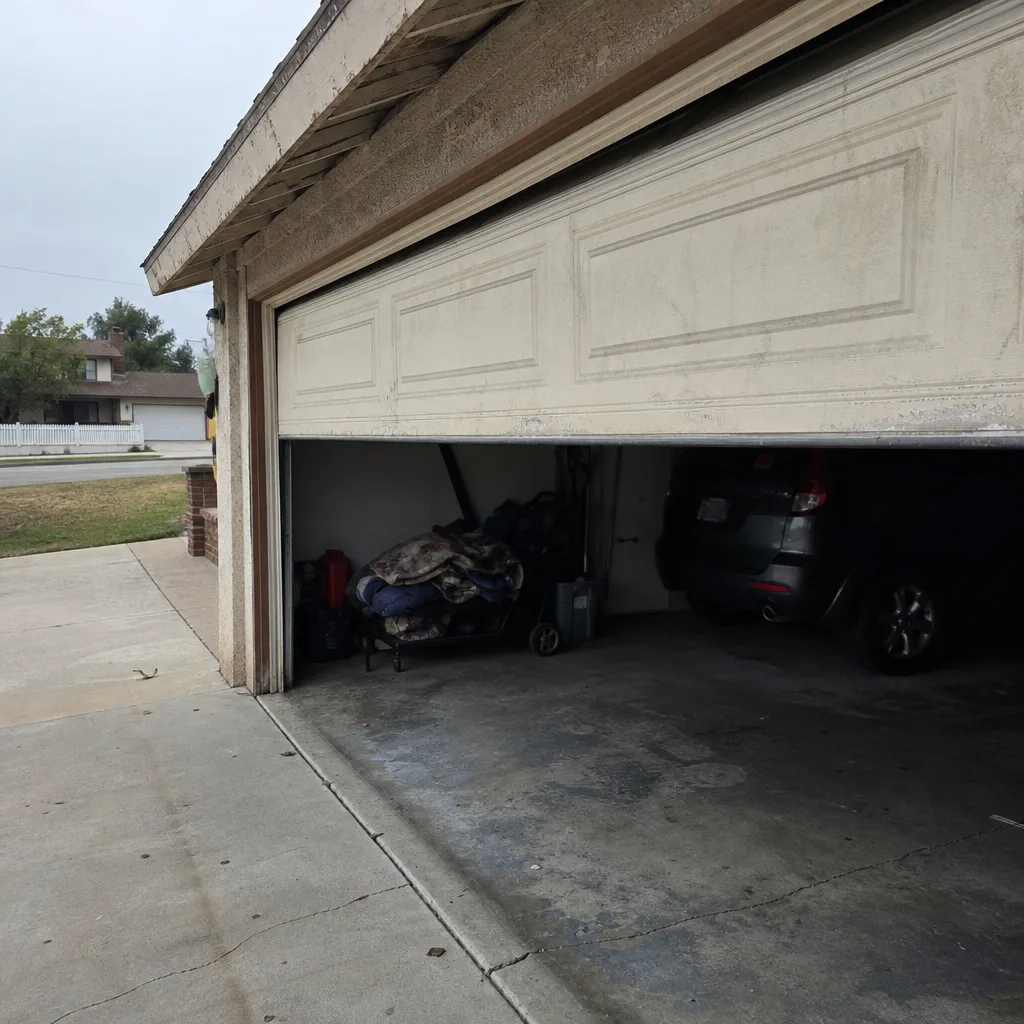 Before
 After
 Before
 After
 Before
 After