
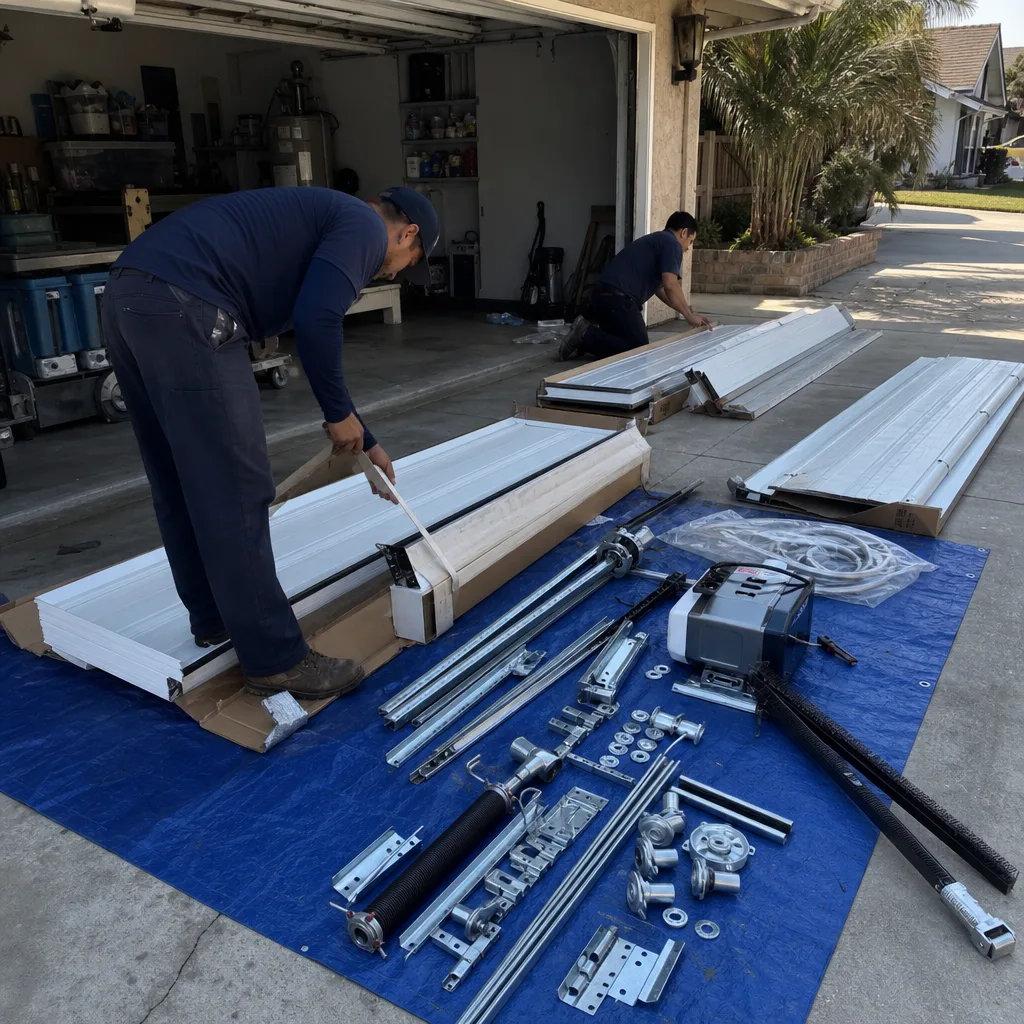
Last updated November 3, 2026
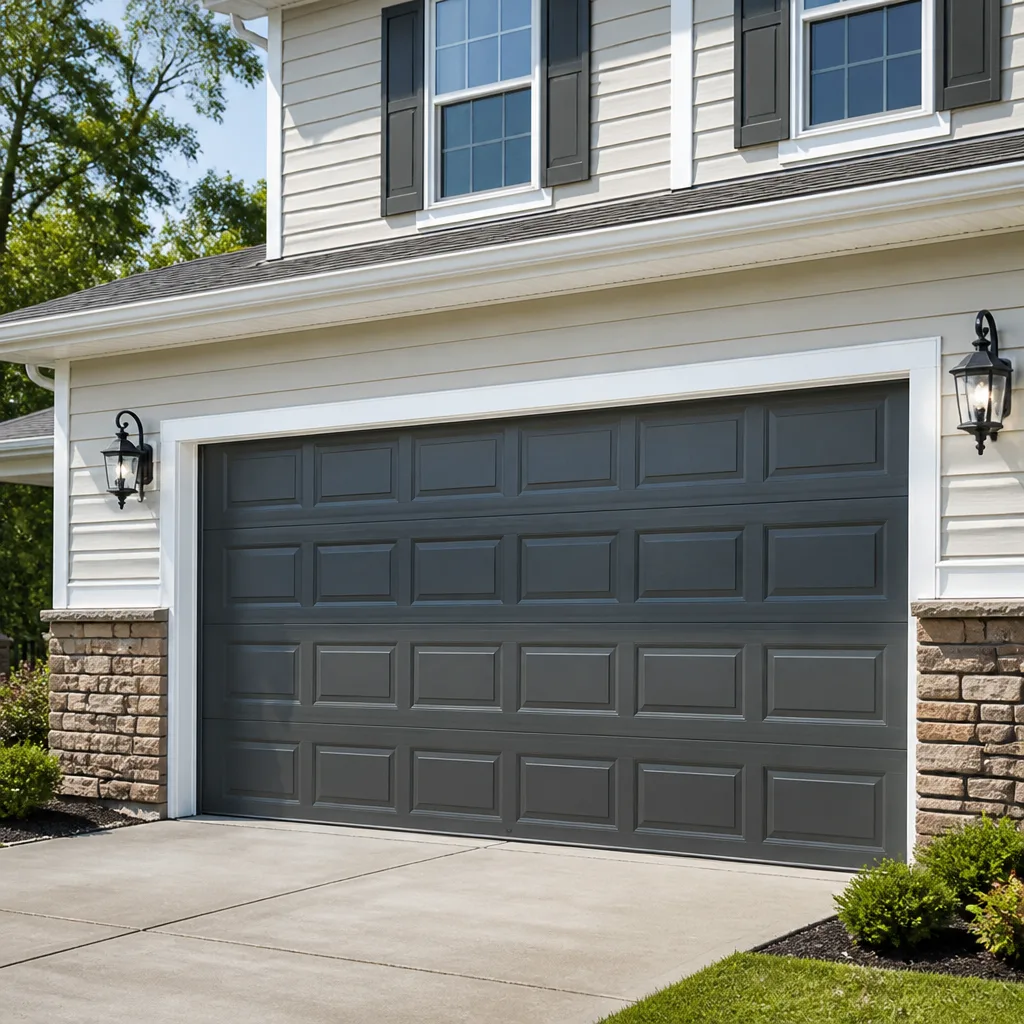 Raised-panel steel
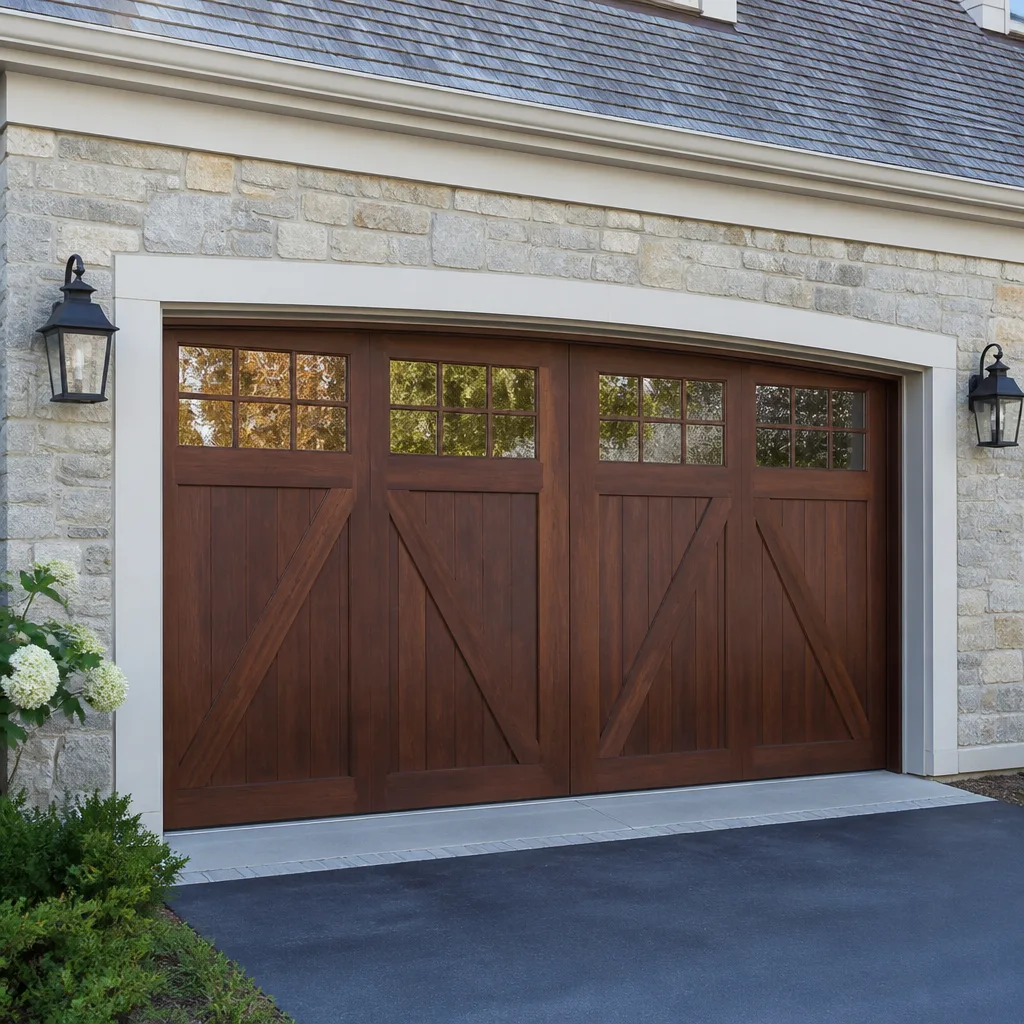 Carriage house
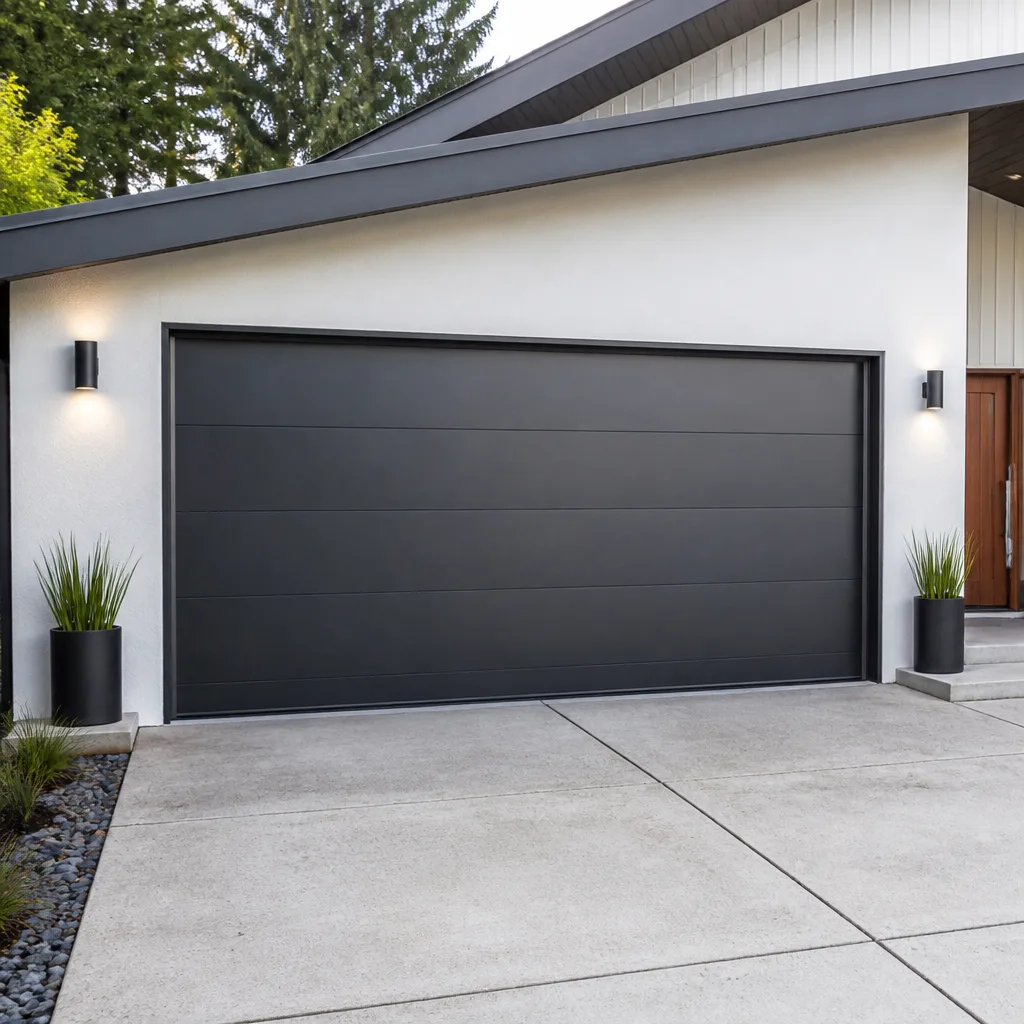 Modern flush
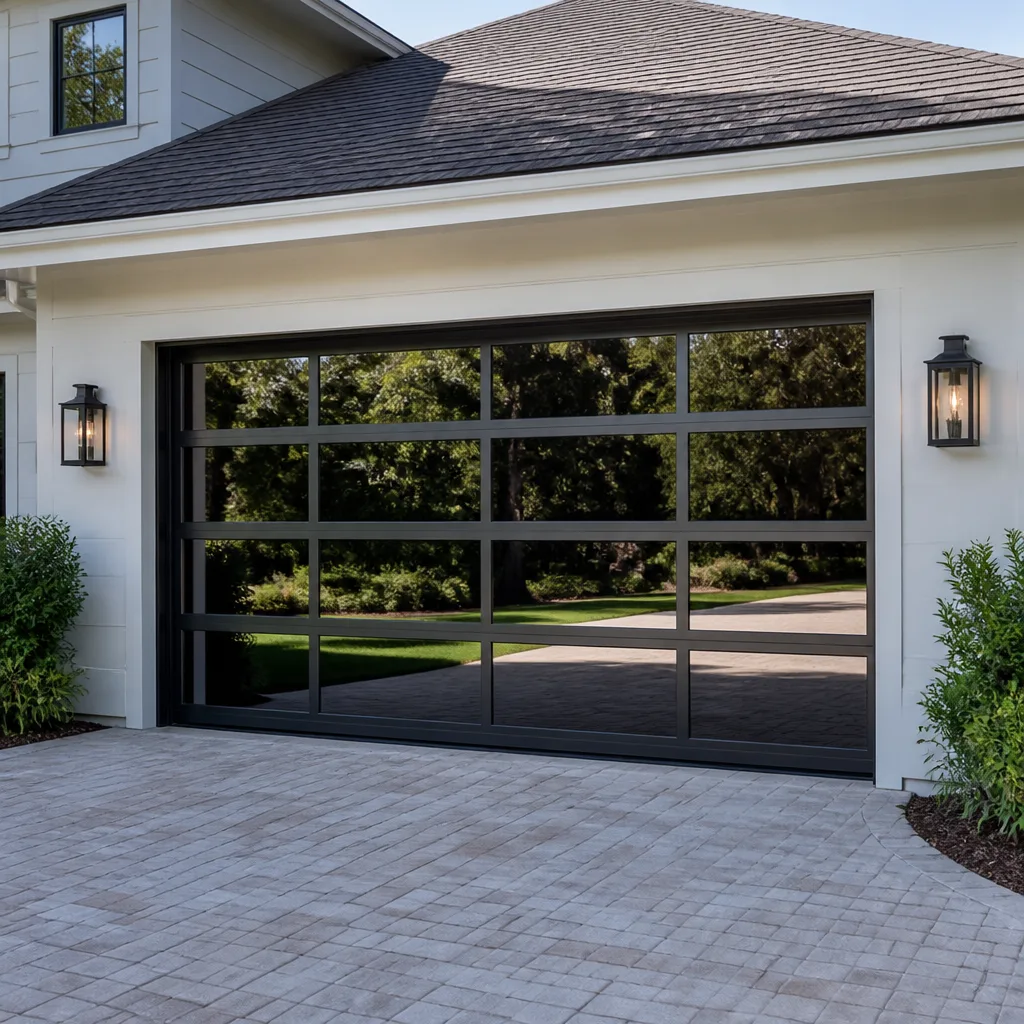 Full-view glass
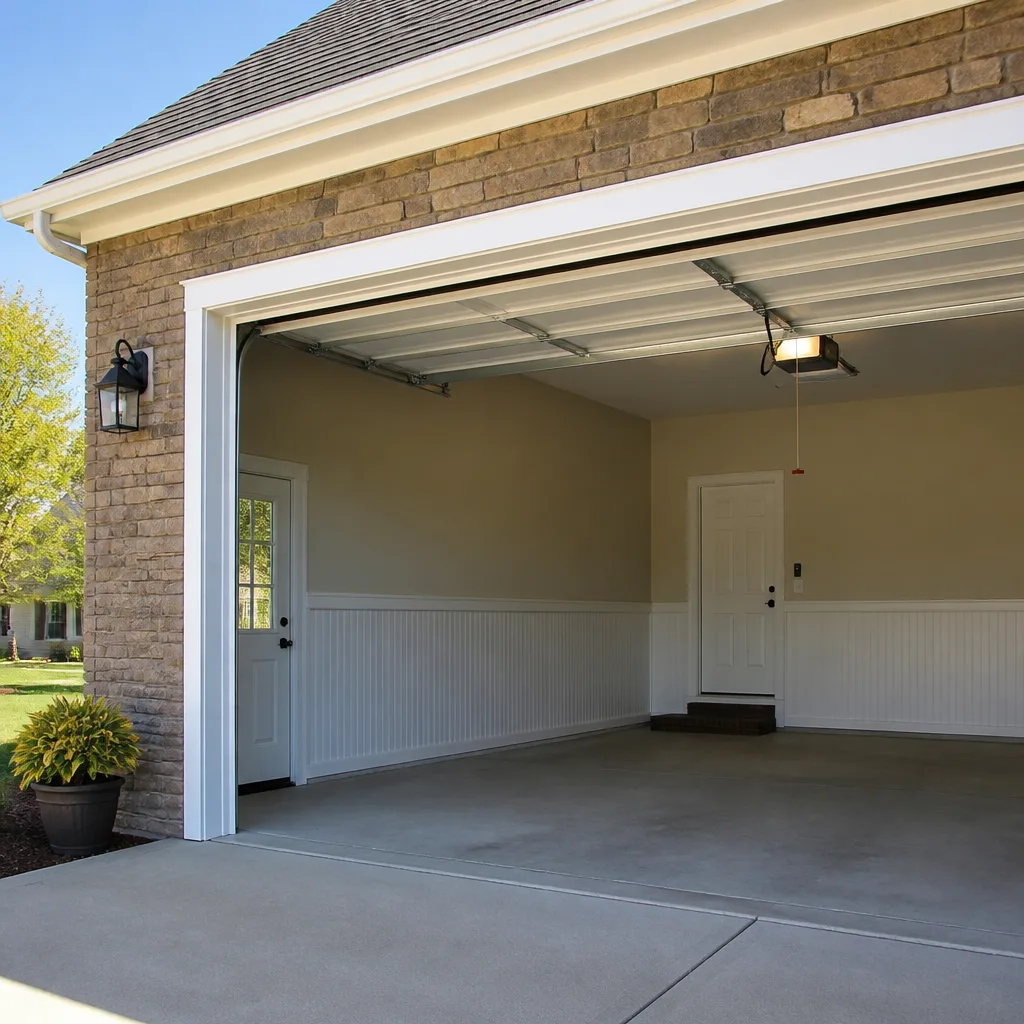 LiftMaster openers
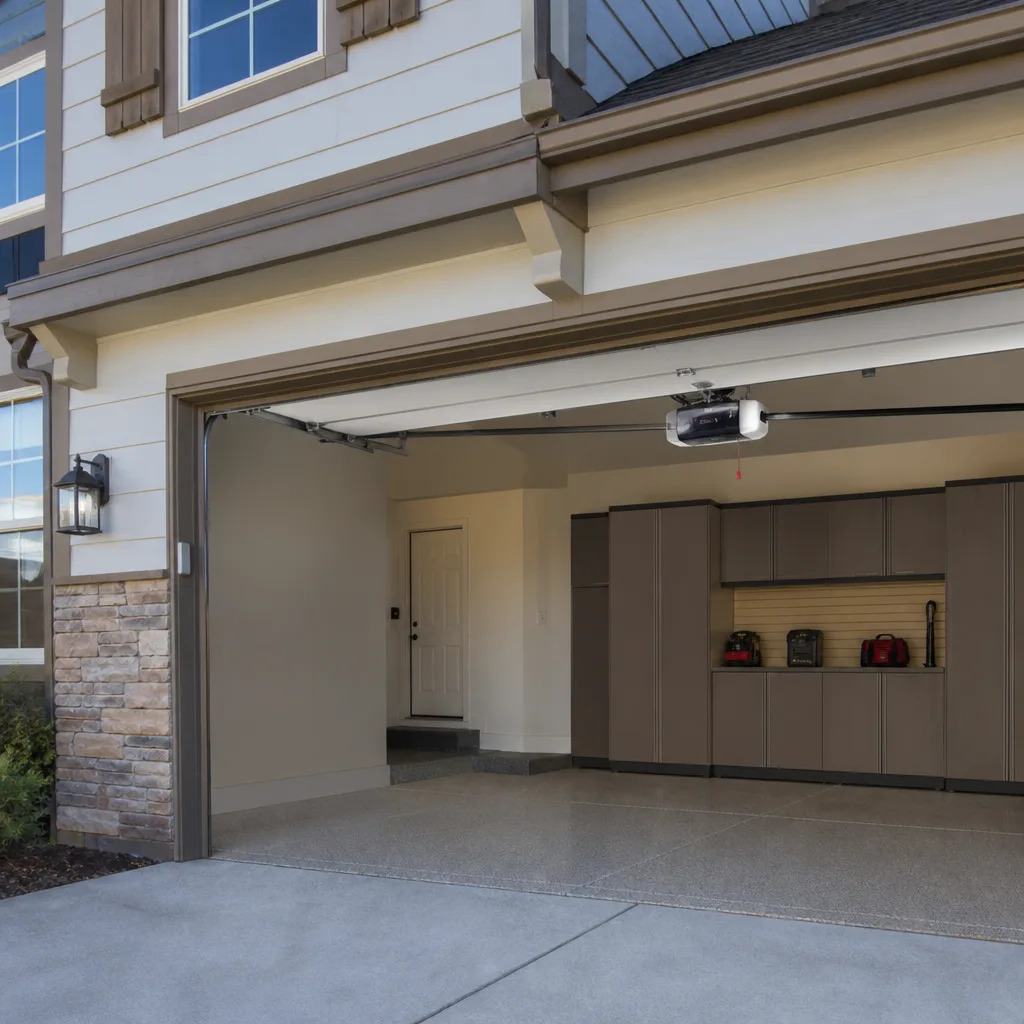 Chamberlain openers
Full 25-point door and opener safety check with every visit - springs, cables, rollers, tracks, and your LiftMaster or Chamberlain opener included
You get a price before we start. It does not change when the truck arrives.
Get your free estimateSeasonal Garage Door Care for Jurupa Valley: Year-Round Homeowner’s Guide
Garage doors in Jurupa Valley don’t fail in winter from ice and snow. They fail in late September and October, when temperatures swing 40 degrees between night and day, the first Santa Ana winds arrive, and springs that expanded all summer suddenly contract. We’ve pulled into enough driveways across Jurupa Valley to know the pattern: homeowners call us in the fall, surprised that a door that worked fine in August just snapped a spring on a random Tuesday. This guide maps the actual stress calendar for this specific region, so you can act before the failure, not after. For The Complete Garage Door Repair Guide for Jurupa Valley Homeowners, see our full resource library. You’ll learn what to check during pre-summer heat, how peak summer affects your opener and springs, why fall is the highest-risk period, and what the mild winter months actually demand from your weatherstripping and hardware.
Styles & brands we work with
- Raised-panel steel
- Carriage house
- Modern flush
- Full-view glass
- LiftMaster openers
- Chamberlain openers
Quick Answer
Seasonal garage door care in Jurupa Valley isn’t about raking leaves off the track or winterizing for snow. It’s about four distinct stress periods: pre-summer lubricant and ventilation checks (April – May), peak summer heat management for openers and springs (June – September), fall transition inspections before Santa Ana winds expose weakened springs (October – November), and winter weatherstripping and moisture checks during the region’s only rainy stretch (December – March). A disciplined homeowner doing 15 minutes of inspection at the start of each period will catch most failures before they strand a car in the driveway. For a full check from a team that services all major brands, call Briarwood Garage Door Repair at (866) 569-5176, or read The Complete Garage Door Repair Guide for Jurupa Valley Homeowners for more detail.
Table of Contents
- The Jurupa Valley Garage Door Stress Calendar
- Pre-Summer (April – May): Heat Preparation
- Peak Summer (June – September): Heat Damage Control
- Fall Transition (October – November): The Highest-Risk Period
- Winter/Mild Season (December – March): Moisture and Weatherstripping
- Seasonal Task Matrix: Print and Post
- Common Mistakes to Avoid
- When to Call a Professional
- Frequently Asked Questions
- The Bottom Line
The Jurupa Valley Garage Door Stress Calendar
Most seasonal maintenance guides assume a four-season climate: snow in winter, thaw in spring, humidity in summer, frost in fall. Jurupa Valley doesn’t work that way. The city sits in the Santa Ana River basin, where summer daytime highs routinely exceed 95°F, nighttime lows can drop 40 degrees in October, and rainfall concentrates almost entirely between December and March. That specific pattern creates four distinct stress periods for a garage door, each with its own failure mode.
To understand why this calendar matters, you need to know what actually fails on a garage door in this climate. The components under the most stress are the torsion springs, the opener circuit board, the weatherstripping, and the panel joints. Each responds differently to heat, temperature swings, wind, and moisture. Here’s the breakdown:
How Jurupa Valley Conditions Stress Your Door
- Torsion springs are tempered steel under constant tension. Sustained heat above 95°F accelerates metal fatigue. Rapid cooling in October, especially when Santa Ana winds drop nighttime temperatures into the 50s, causes the metal to contract. A spring that’s been losing tension gradually all summer can snap during a fall cold snap, not because the cold broke it, but because the cumulative fatigue finally crossed the threshold.
- Opener circuit boards are sensitive to sustained heat. The logic board inside your opener, whether it’s a LiftMaster, Genie, Chamberlain, or Raynor, generates its own heat during operation. When the ambient garage temperature is 105°F, the board has less thermal headroom before components fail. Most opener failures we see in Jurupa Valley happen in August, not January.
- Weatherstripping and bottom seals degrade primarily from UV exposure and dry heat, not from cold. By the time winter rain arrives, seals that baked all summer have often cracked or shrunk. The moisture then gets in through those cracks.
- Panel joints and hinges expand and contract with temperature swings. A 40-degree swing in October means the door panels expand during the afternoon and contract at night. Over years, this can loosen hinge screws and create small alignment shifts.
That’s the framework. Now let’s walk through each period, what to check, and what to do.
Pre-Summer (April – May): Heat Preparation
April and May in Jurupa Valley are deceptively pleasant. Daytime highs hover in the 70s and 80s, and it’s easy to assume the garage door is fine because it’s not being stressed yet. But this is exactly the window when you should prepare the system for what’s coming. A door that’s properly lubricated and adjusted in May will handle July heat much better than one that goes into summer dry and stiff.
What to Check Before Heat Peaks
- Lubricant viscosity and coverage. Apply a garage-door-specific lubricant (not WD-40, which is a solvent and will strip existing lubrication) to the torsion springs, hinges, rollers, and bearing plates. The goal is a thin, even coat. In Jurupa Valley’s dry climate, lubricant evaporates faster than in coastal areas. If you last lubricated in the fall, most of it is gone by April.
- Opener motor ventilation. Check the vents on your opener’s motor housing. If they’re caked with dust, the motor will run hotter all summer. A soft brush or canned air clears them. This is more important for openers mounted in uninsulated garages, which describes most homes east of the 15 in Jurupa Valley.
- UV seal integrity. Look at the rubber weatherstripping along the sides and bottom of the door. In direct sun, especially on south- and west-facing garages, the rubber breaks down fast. Run your finger along the bottom seal. If it’s cracked or has lost flexibility, it will fail during winter rains long before you notice.
- Balance test. Pull the manual release cord and lift the door halfway. It should stay in place on its own. If it drifts down, the springs are losing tension. If it shoots up, the springs are over-tensioned. Either condition means a spring adjustment or replacement is coming.
We’ve serviced doors across Jurupa Valley where the bottom seal was essentially gone by May, and the homeowner didn’t discover the problem until a December storm. The pre-summer check is the cheapest insurance you can buy for the rest of the year.
Peak Summer (June – September): Heat Damage Control
This is the period when Jurupa Valley garages become ovens. A garage that’s 105°F inside by 3 p.m. isn’t just uncomfortable – it’s actively degrading the components in your garage door system. The two most vulnerable parts are the opener circuit board and the torsion springs, and the failure patterns are consistent enough that we can describe them almost clinically.
Sustained Heat and Opener Circuit Boards
Every opener, whether it’s a LiftMaster, Chamberlain, Genie, or Raynor, has a printed circuit board that controls the logic, the motor relay, and the safety sensors. That board has capacitors and solder joints rated for a certain operating temperature range. When ambient heat pushes the board toward the top of that range for hours every day, solder joints can develop micro-fractures, and capacitors can begin to degrade. The failure often looks random: the opener works in the morning, fails in the afternoon, works again at night. That pattern, intermittent afternoon failure, is a classic heat-related board issue in our experience.
How Heat Affects Torsion Spring Temper
Torsion springs are manufactured with a specific temper, or heat treatment, that gives the steel its spring properties. Sustained exposure to high temperatures doesn’t immediately destroy that temper, but it does accelerate the fatigue process every time the spring cycles (opens and closes). A standard 10,000-cycle spring in a Jurupa Valley garage that’s opened four times a day will reach the end of its fatigue life faster if the garage is consistently above 95°F. The spring doesn’t fail because of one hot day; it fails because the accumulated heat exposure has shortened its lifespan, and the failure just happens to come when it comes.
Panel Expansion Gaps
Steel and aluminum panels expand when heated. A 16-foot-wide door can expand measurably in 105°F heat, and the joints between panels open slightly. This is normal and generally harmless. But if the door was installed too tightly or the track is slightly out of alignment, that expansion can cause binding, scraping, or a door that hesitates at certain points in the cycle. If you notice your door running differently in the afternoon than it does in the morning, that’s often thermal expansion at work.
What to Do During Peak Summer
- Observe, don’t over-lubricate. Lubricant applied in May is typically still present. Adding more in August often just attracts dust, which turns into a paste on the track.
- Listen for changes. A door that starts making new noises in July or August is telling you something. Grinding can mean failing rollers. A sharp snap is a spring letting go.
- Test the auto-reverse. Place a 2×4 flat under the door and close it. The door should reverse on contact. In heat, sensor drift can occur, and this is the single most important safety feature on your door. Test it monthly during summer.
- Check the opener’s light and remote range. Heat can affect the antenna and the receiver. If your remotes are losing range in August, the issue might be heat-related degradation of the receiver, not the remote batteries.
If your opener starts exhibiting intermittent afternoon failures during summer, don’t guess at the fix. Opener-specific repair is one of those areas where a general handyman will often default to full replacement. A specialist can often replace a circuit board or a capacitor for a fraction of the cost of a new opener. Briarwood Garage Door Repair handles Garage Door Opener Repair in Jurupa Valley with a repair-first approach.
Fall Transition (October – November): The Highest-Risk Period
If you remember one section from this guide, make it this one. October and November in Jurupa Valley are when the highest percentage of torsion spring failures occur. The reason is straightforward: temperature swings of 35 to 40 degrees between daytime highs and nighttime lows create repeated expansion and contraction cycles in the spring steel, and the first Santa Ana winds accelerate the cooling process. A spring that’s been losing tension gradually all summer can snap on a cool October night, not because that night was cold, but because the cumulative fatigue plus the contraction stress finally crossed the line.
What a Pre-Santa-Ana Inspection Should Cover
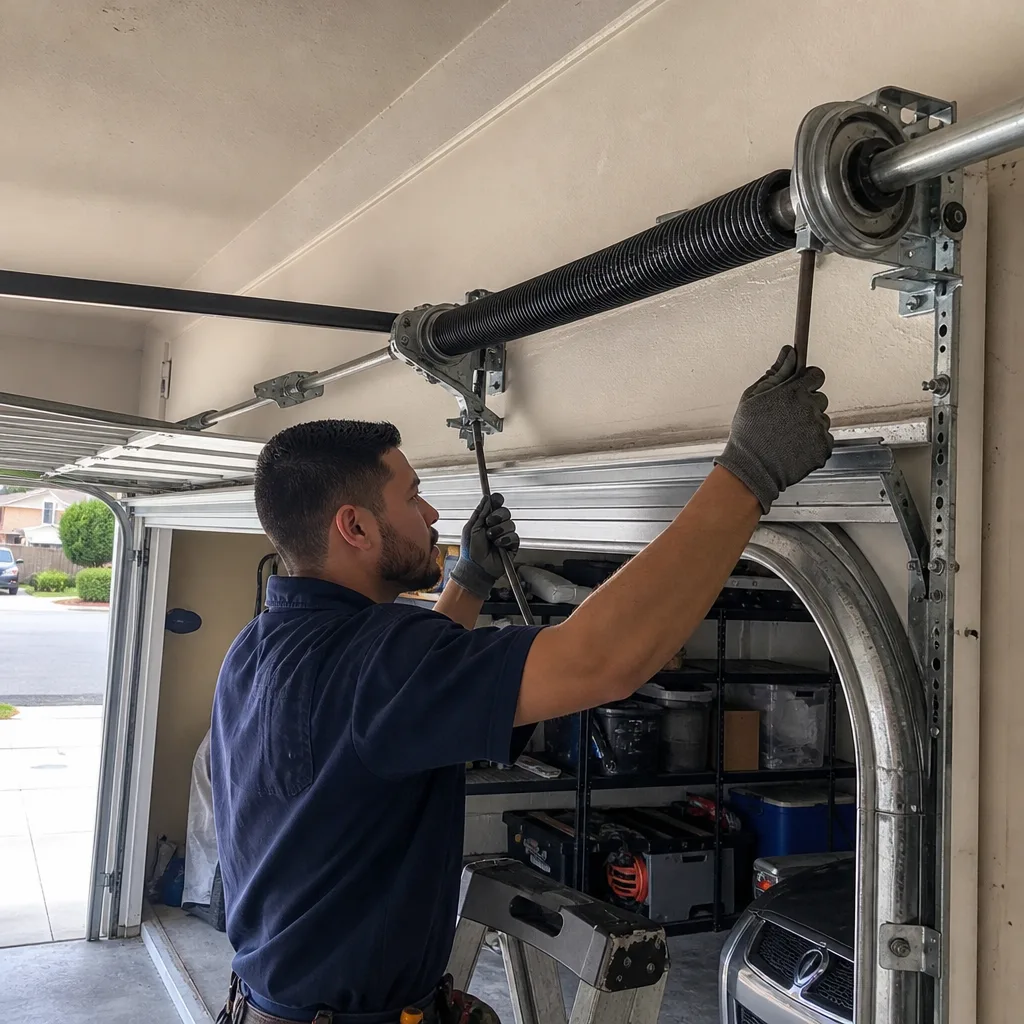
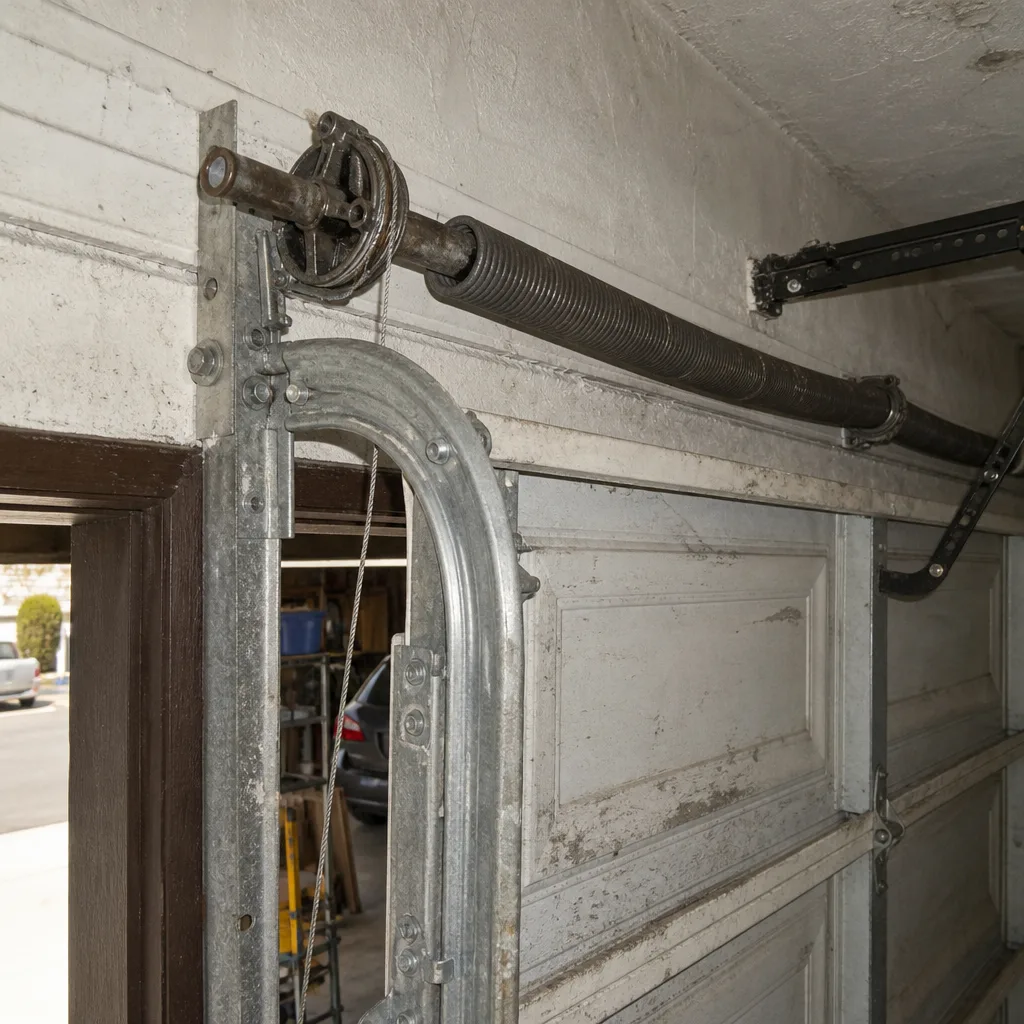
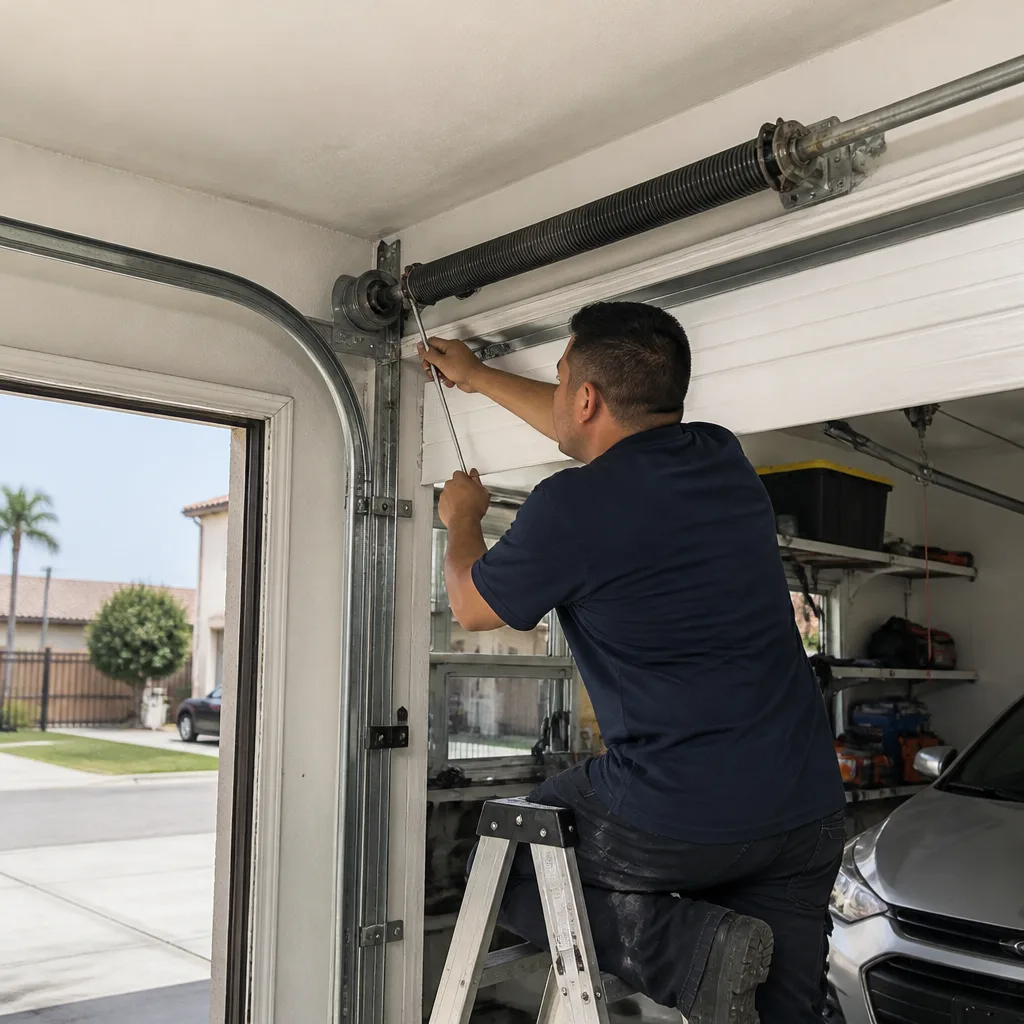
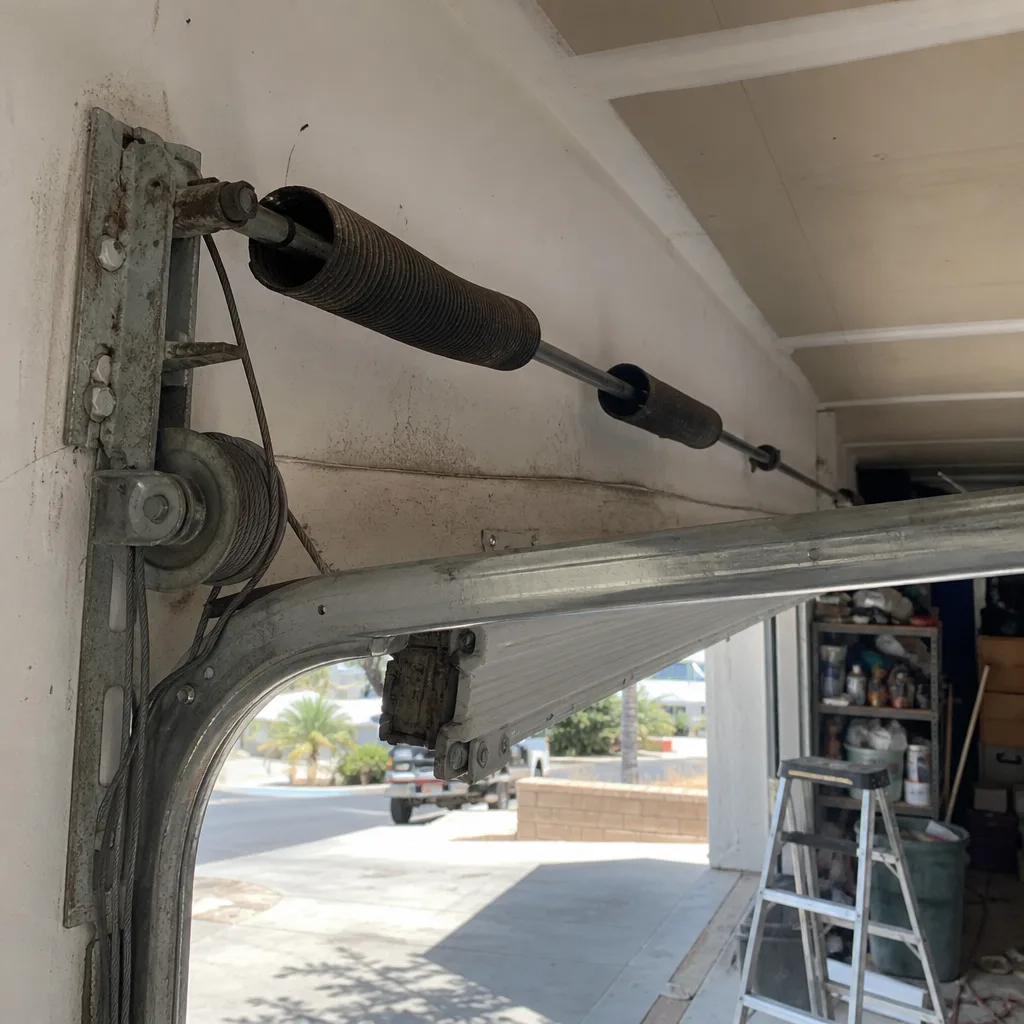
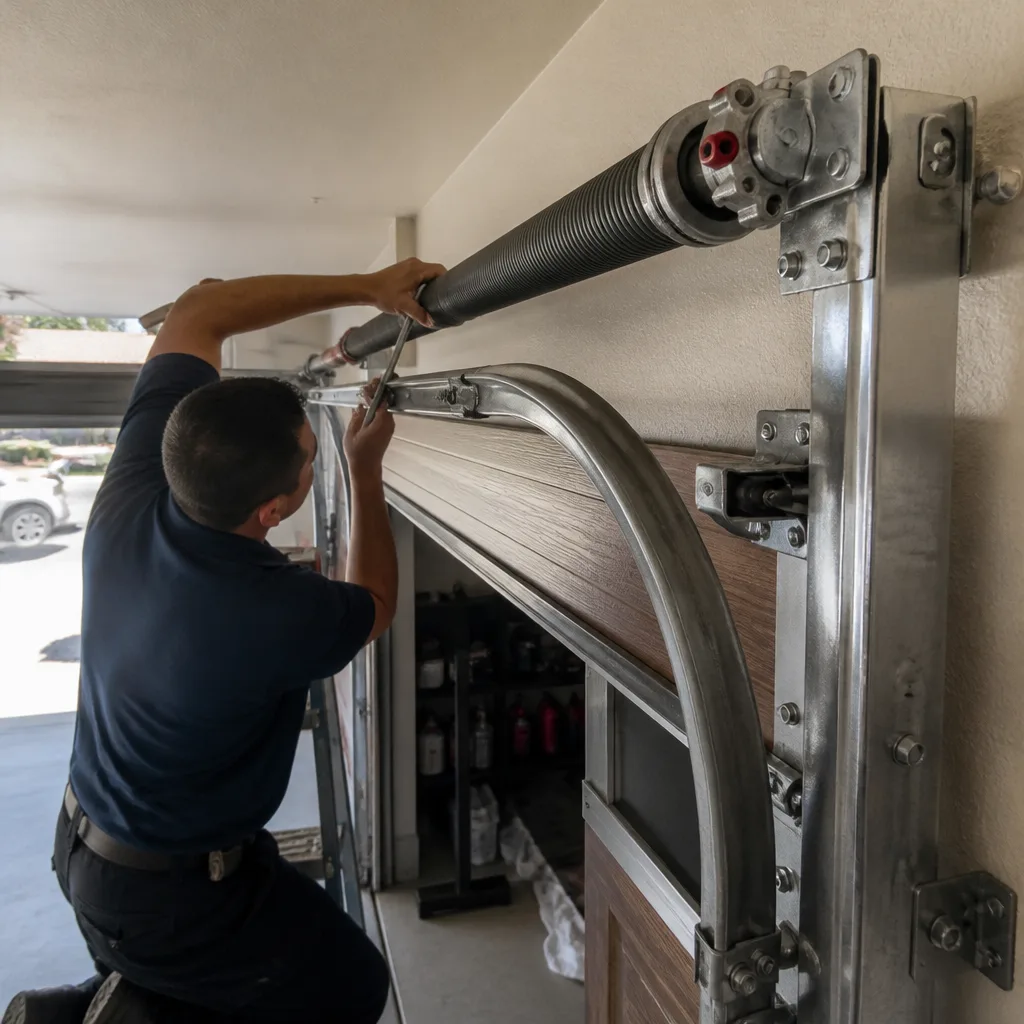
- Visual spring inspection. Look at the torsion springs above your door. If you see gaps in the coil (a visible separation between two coils), that spring is already broken. If the coils look unevenly spaced, the spring is fatiguing. Do not attempt to adjust or remove the springs yourself – under tension, they can cause serious injury. This is a job for a trained professional.
- Cable condition check. The lift cables that run along each side of the door should be clean and free of frays. A cable that frays during a Santa Ana wind event (the wind itself doesn’t cause it; the vibration and temperature change accelerate the failure) can drop the door suddenly when it parts.
- Track alignment and hardware torque. Temperature swings loosen bolts. Walk the length of the track and check that the mounting bolts are tight. Check the hinge bolts where panels meet. A door that rattles more in October than it did in July often just has loose hardware.
- Sensor alignment. The photo-eye sensors at the bottom of the track are sensitive to small shifts. If the door reverses for no reason when closing, the sensors have likely drifted out of alignment over the summer.
We recommend a professional inspection every October for homes in Jurupa Valley, especially if you don’t know the age of your springs. Springs are the one component you cannot safely inspect by touch, and a professional inspection catches fatigue before a snap. We service doors across all eight major brands, from Raynor to Chamberlain, and the inspection approach doesn’t change based on what’s on the door – only the specific parts do. Our full Garage Door Repair in Jurupa Valley service covers fall inspections at a flat rate.
Winter/Mild Season (December – March): Moisture and Weatherstripping
Winter in Jurupa Valley is the only period when the region gets meaningful moisture. Average annual rainfall is roughly 10 to 12 inches, and nearly all of it falls between December and March. This is when weatherstripping failures from the summer months finally become visible. The bottom seal that baked in August and cracked in October now lets water into the garage during a January storm. The side seals that lost flexibility in the heat now have gaps that let leaves, dust, and moisture in.
Winter Checks That Matter
- Bottom seal replacement. If the rubber at the bottom of your door is cracked, rigid, or visibly compressed in some sections, replace it before the next rain. This is a cheap part and a fast fix, and it’s one of the highest-ROI maintenance items in this guide. A leaking bottom seal lets water pool under your door, which can lead to track rust and panel corrosion over time.
- Weatherstripping along the jambs. The rubber or vinyl strips along the sides of the door should sit flush against the door when closed. Gaps not only let moisture in, they also create entry points for the field mice that are common in the more rural parts of Jurupa Valley during winter.
- Rust check on tracks and hardware. Winter is the only season when the tracks see sustained moisture. Run a hand along the lower track sections and check for rust spots. A light surface rust is fine. Flaking rust needs attention before it compromises the track.
- Opener performance on cold mornings. On winter mornings when the garage is below 50°F, the lubricant is thicker and the opener has to work harder. This is a normal seasonal effect. But if you notice the door moving noticeably slower in winter than in summer, have the opener’s force settings checked – a door that’s hard to move in cold weather can trip the opener’s safety cutoff or wear the motor prematurely.
The winter months are also the quiet season for garage door work in Jurupa Valley. If you’ve been putting off a repair or replacement, December through February is often the fastest time to schedule it. This is the period when our Garage Door Installation in Jurupa Valley calendar has the most flexibility.
Seasonal Task Matrix: Print and Post
Here’s a condensed reference you can print and tape to the inside of your garage door. Each row maps a task to the season when it matters most in Jurupa Valley.
| Season | Task | What You’re Looking For | Risk If Skipped |
|---|---|---|---|
| April – May | Lubricate springs, hinges, rollers | Dry, squeaky, stiff movement | Accelerated wear through summer |
| April – May | Check opener motor vents | Dust caked on housing | Overheating, intermittent failure in August |
| April – May | Test door balance | Door drifting when manually opened halfway | Spring fatigue undetected until fall snap |
| June – September | Test auto-reverse with 2×4 | Door failing to reverse on contact | Safety hazard, property damage, injury risk |
| June – September | Listen for new noises | Grinding, scraping, rattling | Roller or hinge failure mid-cycle |
| October – November | Professional spring inspection | Gaps in coils, uneven coil spacing | Spring snap, door suddenly dropping |
| October – November | Check cables for frays | Loose strands, corrosion at crimps | Cable failure, door falling off track |
| October – November | Tighten track and hinge bolts | Rattling on windy days, visible bolt play | Track misalignment, binding |
| December – March | Replace bottom seal | Cracks, loss of flexibility, visible gaps | Water in garage, track rust, panel corrosion |
| December – March | Inspect side weatherstripping | Gaps, brittleness, rodent entry points | Moisture intrusion, pest entry |
Tape this to the wall next to your garage door opener. Fifteen minutes at the start of each season beats a four-hour emergency repair.
Common Mistakes to Avoid
- Lubricating with WD-40. WD-40 is a solvent and degreaser, not a lubricant. Applying it to a torsion spring or track strips away existing lubrication and accelerates wear. This is the single most common mistake we see from well-meaning homeowners across Jurupa Valley. Use a silicone- or lithium-based garage door lubricant.
- Ignoring a squeak until it becomes a snap. A squeak in the spring often indicates uneven coil tension. Squeaks that persist after lubrication are a warning sign of spring fatigue, not just an annoyance. By the time the squeak becomes a snap, you’re dealing with an emergency repair instead of a scheduled adjustment.
- Replacing the opener when the circuit board is the problem. We regularly see openers – especially older Chamberlain and LiftMaster models – replaced when the actual issue was a failing capacitor or a degraded solder joint on the logic board. A board repair is often a $150 – $300 fix; a new opener is $400 – $700. Always suspect the board before declaring the opener dead.
- Doing a fall inspection in December. By December, the first Santa Ana winds have already passed and the temperature swings of October and November have done their damage. The fall inspection needs to happen in early October, before the stress period peaks.
- Assuming a new door doesn’t need maintenance. New garage doors need lubrication and balance checks just like old ones. The difference is that a new door’s components are under warranty, and failure to maintain the door can void that warranty. Check the warranty terms for your specific brand – Amarr and Clopay both require documented maintenance for certain claims.
- Disconnecting the auto-reverse. Some homeowners defeat the auto-reverse feature because the door reverses when it shouldn’t. That’s like removing the circuit breaker from your electrical panel because it trips. The auto-reverse is a safety device; fix the reason it’s triggering, don’t disable it.
When to Call a Professional
Most of the tasks in this guide are safe for a homeowner to perform: lubricating, checking weatherstripping, testing balance, tightening bolts. But some things are not DIY work, and the line is clear. Torsion springs are under enough tension to cause serious injury or death if mishandled – never attempt to adjust, remove, or replace them yourself. Lift cables carry the same risk. If your door has come off the track, if the spring has snapped, or if the door is binding badly enough that it won’t move smoothly, stop and call a professional. See Choosing the Right Garage Door Brand: A Buyer’s Guide for Jurupa Valley if you’re considering replacement. A trained technician can diagnose the issue in minutes, often with the parts on the truck. Briarwood Garage Door Repair offers free estimates in Jurupa Valley – call (866) 569-5176 and we’ll come out, diagnose the problem, and quote the fix before any work starts.
Frequently Asked Questions
Spring replacement in Jurupa Valley typically ranges from $180 to $340 for a single torsion spring, depending on the door weight and spring size, with double-spring systems running $250 to $450 in most cases. The price includes both the part and the labor, and it’s quoted before work starts. Call (866) 569-5176 for an exact quote – estimates are free.
Yes, most spring replacements and common repairs in Jurupa Valley are completed the same day or within 24 hours. We carry parts for all eight major brands on the truck, so the fix usually happens on the first visit rather than requiring a follow-up. Call (866) 569-5176 to check current availability.
No. The price we quote before starting work is the price you pay. If we find additional issues during the repair, we’ll stop and explain what we found, what it costs to fix, and let you decide before we proceed. There is no surprise invoice at the end of a job.
We service all eight major garage door and opener brands – LiftMaster, Chamberlain, Genie, Clopay, Amarr, Wayne Dalton, Craftsman, and Raynor – and stock parts for each on our service vehicles. Whatever brand is on your door, we know it. If a part isn’t on the truck, we can typically source it same-week from our local supply network.
Once a year is sufficient for most homes, and we recommend scheduling that inspection in early October before the fall temperature swings and Santa Ana winds put maximum stress on the springs. Homes that see more than eight open/close cycles per day or that have doors older than 15 years may benefit from twice-yearly checks.
That intermittent pattern, where the door works in the morning and fails during the heat of the afternoon, is often a heat-related circuit board issue in the opener. As Jurupa Valley temperatures climb into the high 90s and 100s, the board inside the opener housing can overheat and shut down temporarily. It’s repairable in many cases without replacing the entire opener. Call (866) 569-5176 for an exact diagnosis.
The Bottom Line
Garage doors in Jurupa Valley fail on a predictable schedule: springs snap in fall, openers overheat in summer, seals crack in winter after a summer of UV exposure. Knowing that calendar means you can stay ahead of the failures instead of reacting to them. Do the 15-minute seasonal checks, replace the bottom seal when it cracks, lubricate before summer, and get a professional spring inspection in October. The small investment of time dramatically extends the life of your door and prevents the one failure that always seems to happen at the worst possible moment. When something does need attention, call (866) 569-5176. Whether it’s a repair, an opener issue, or a full new installation, we’ll diagnose it, quote it, and fix it right. Explore more guides & resources on our blog to stay ahead of seasonal issues.
Written by the team at Briarwood Garage Door Repair, serving Jurupa Valley since 2018.
See the difference
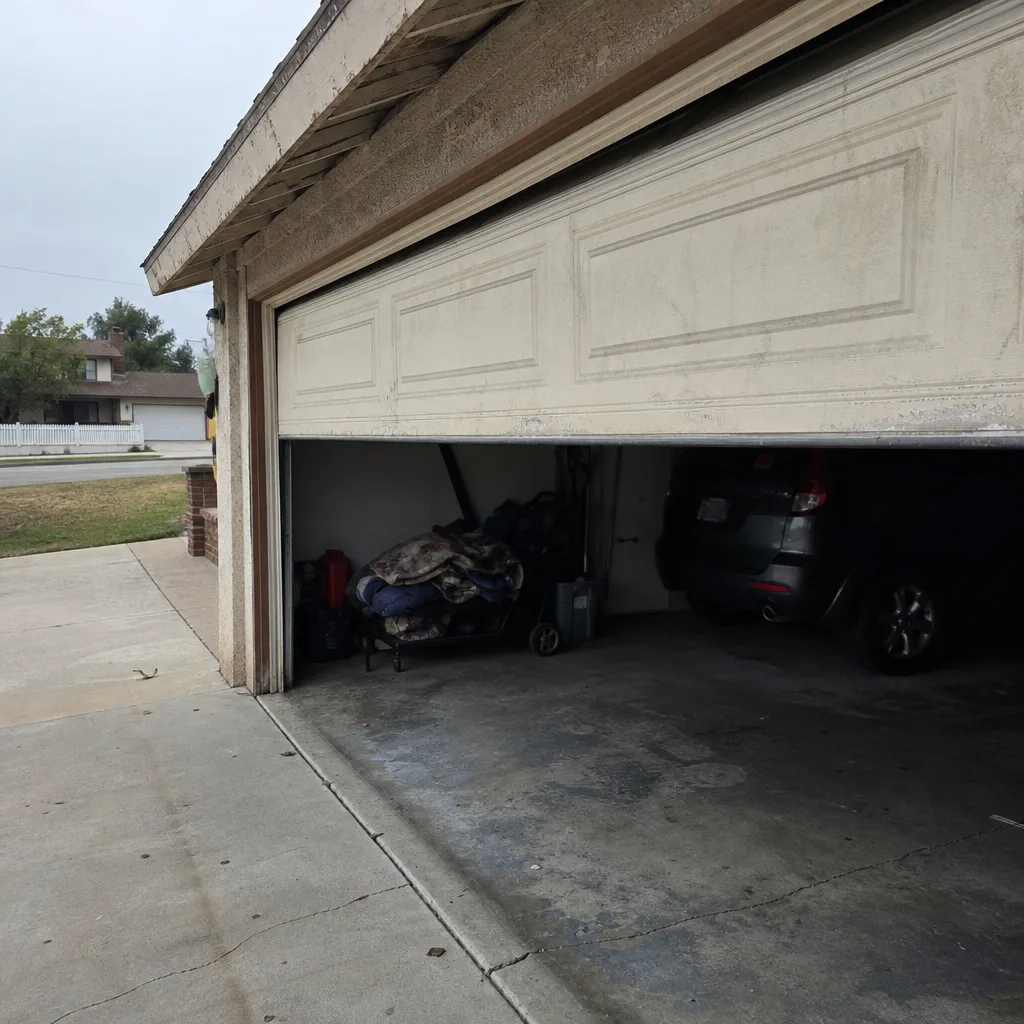 Before
 After
 Before
 After
 Before
 After