
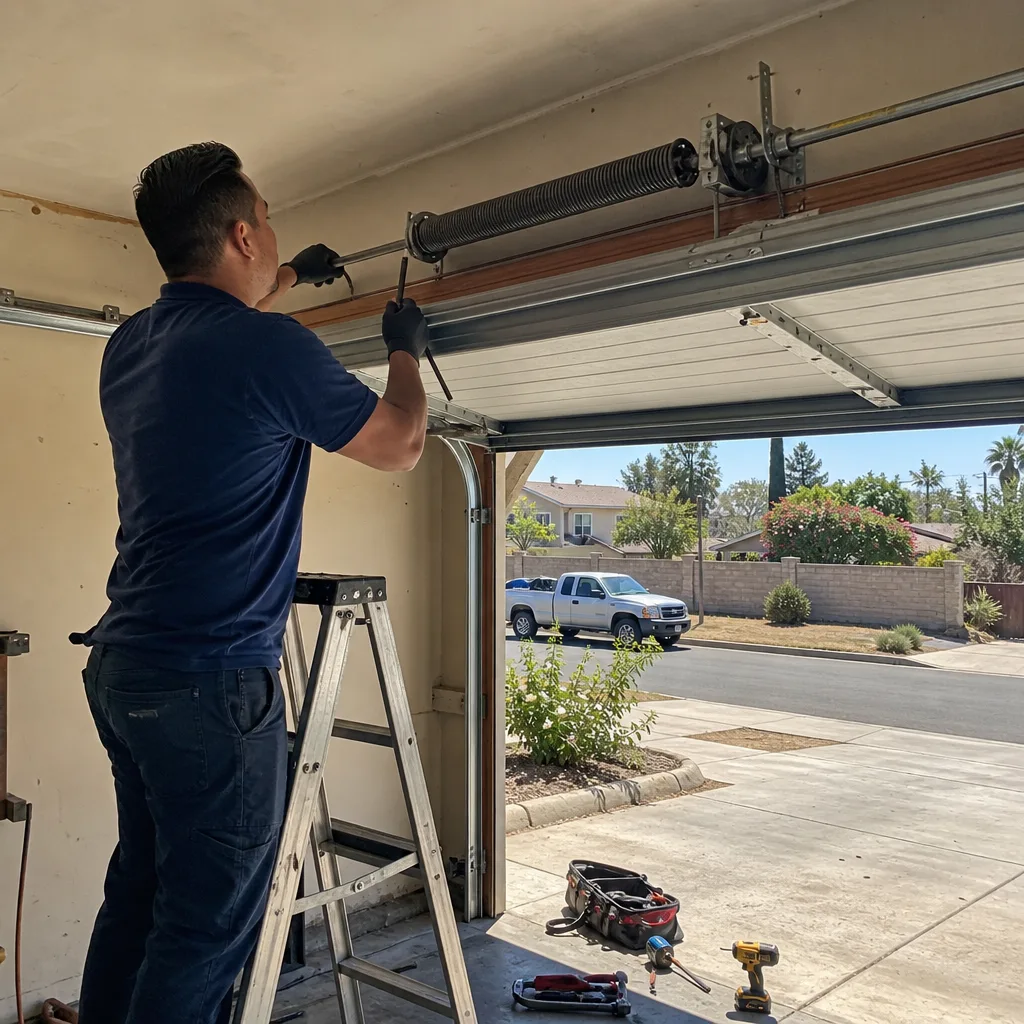
Last updated November 2, 2026
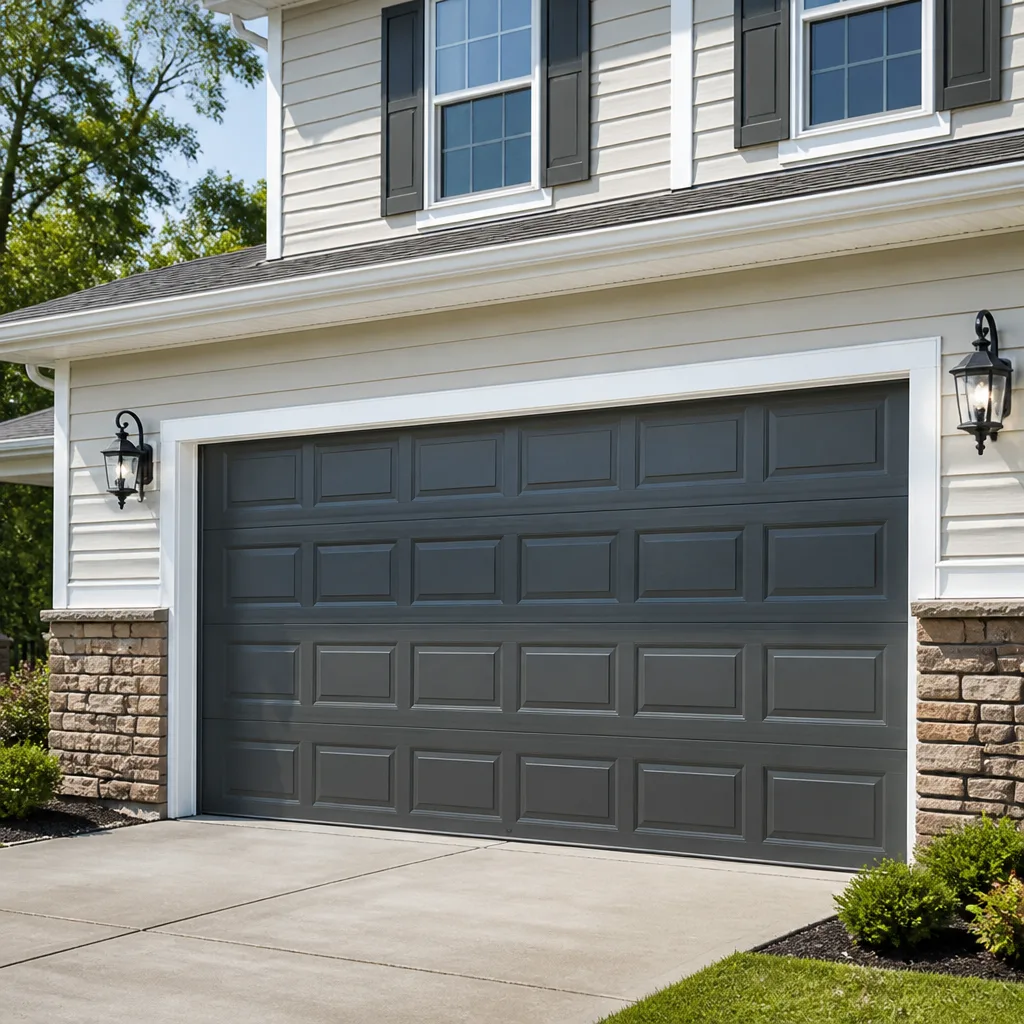 Raised-panel steel
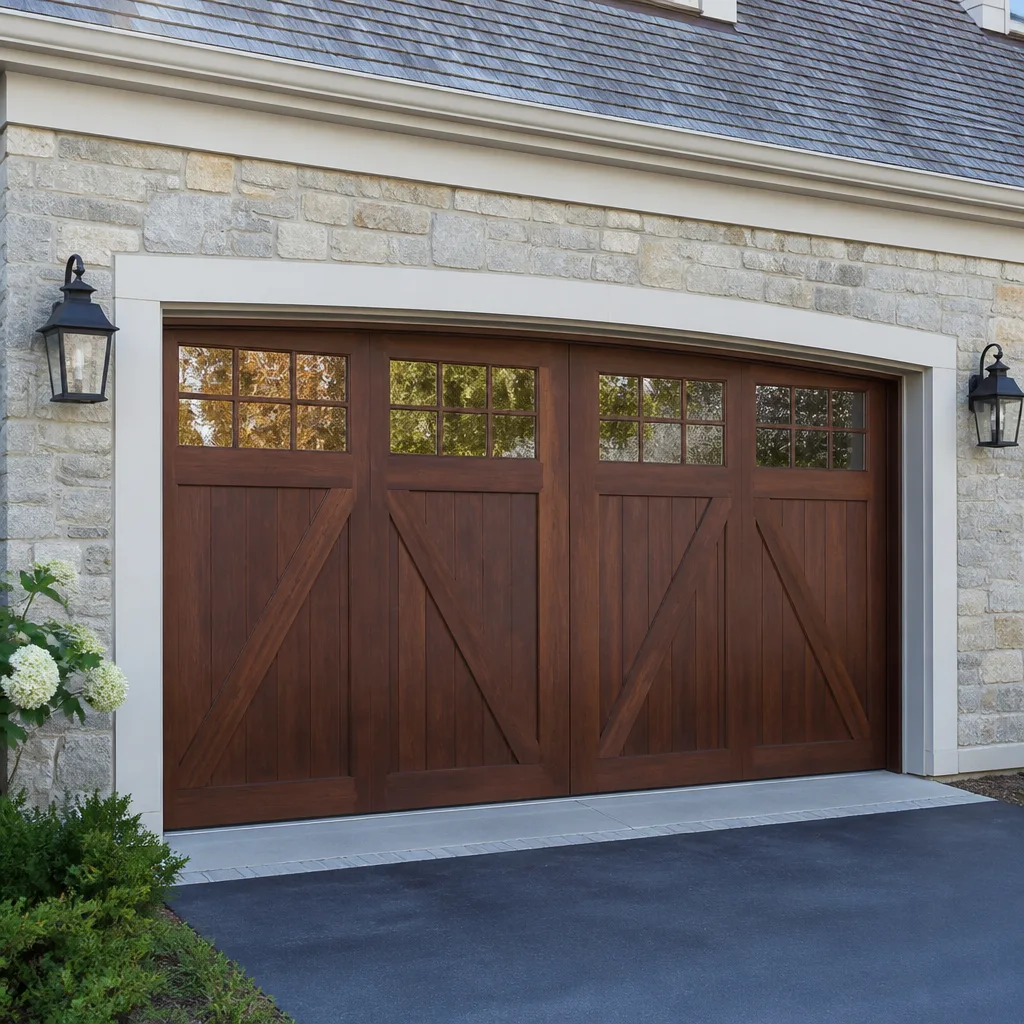 Carriage house
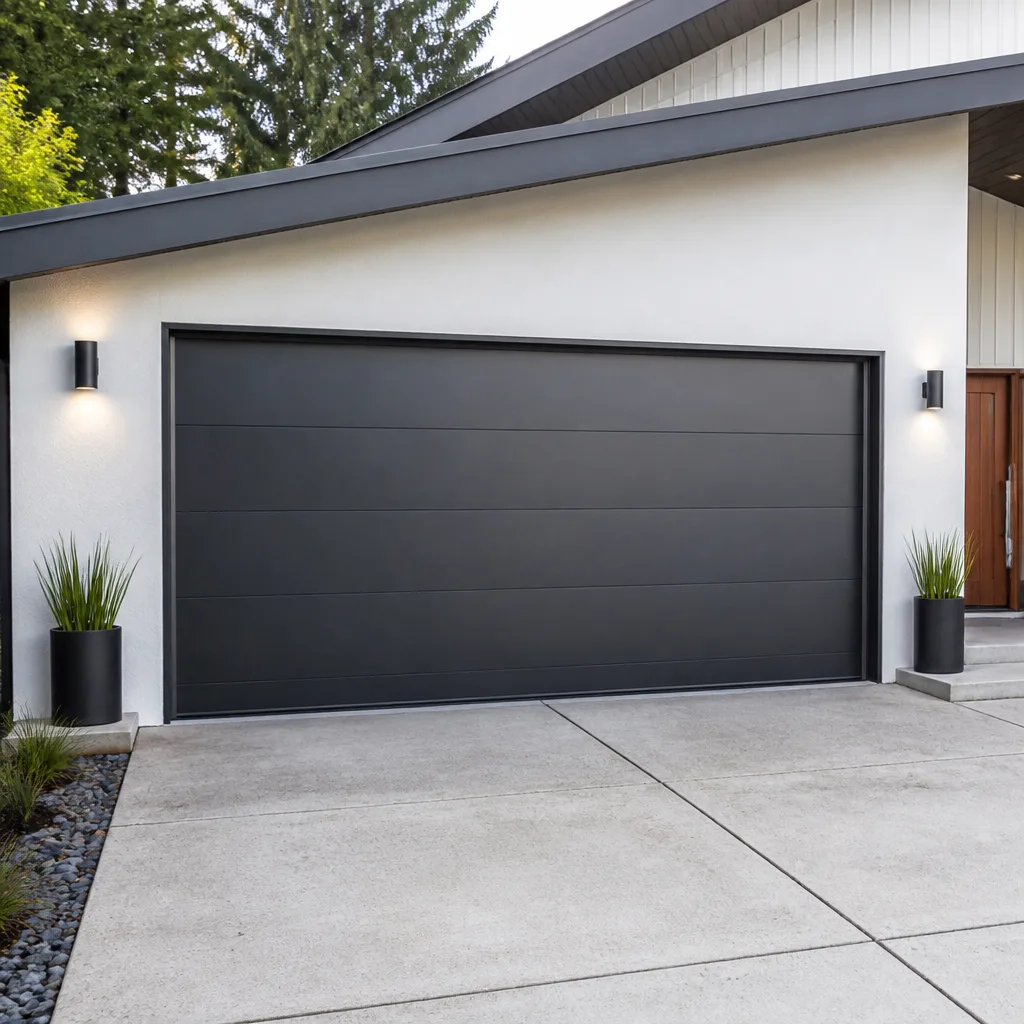 Modern flush
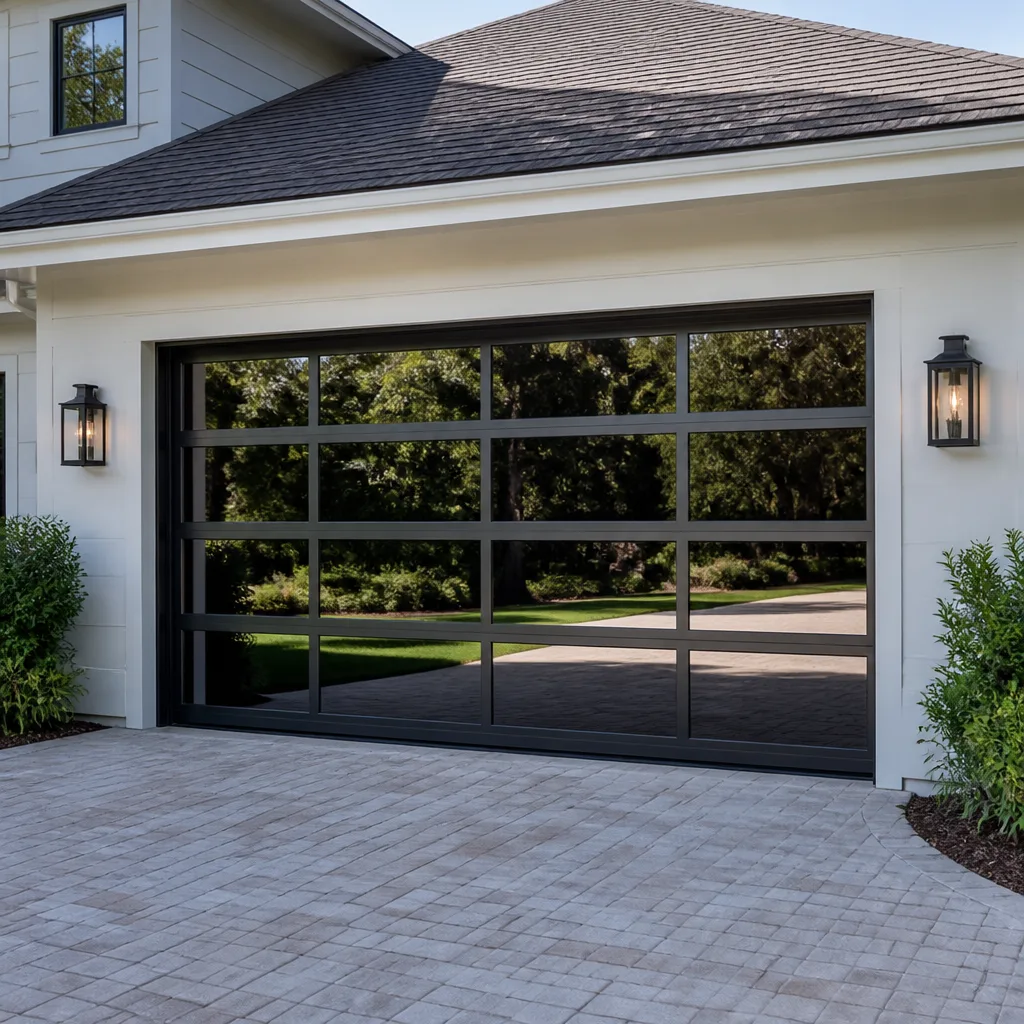 Full-view glass
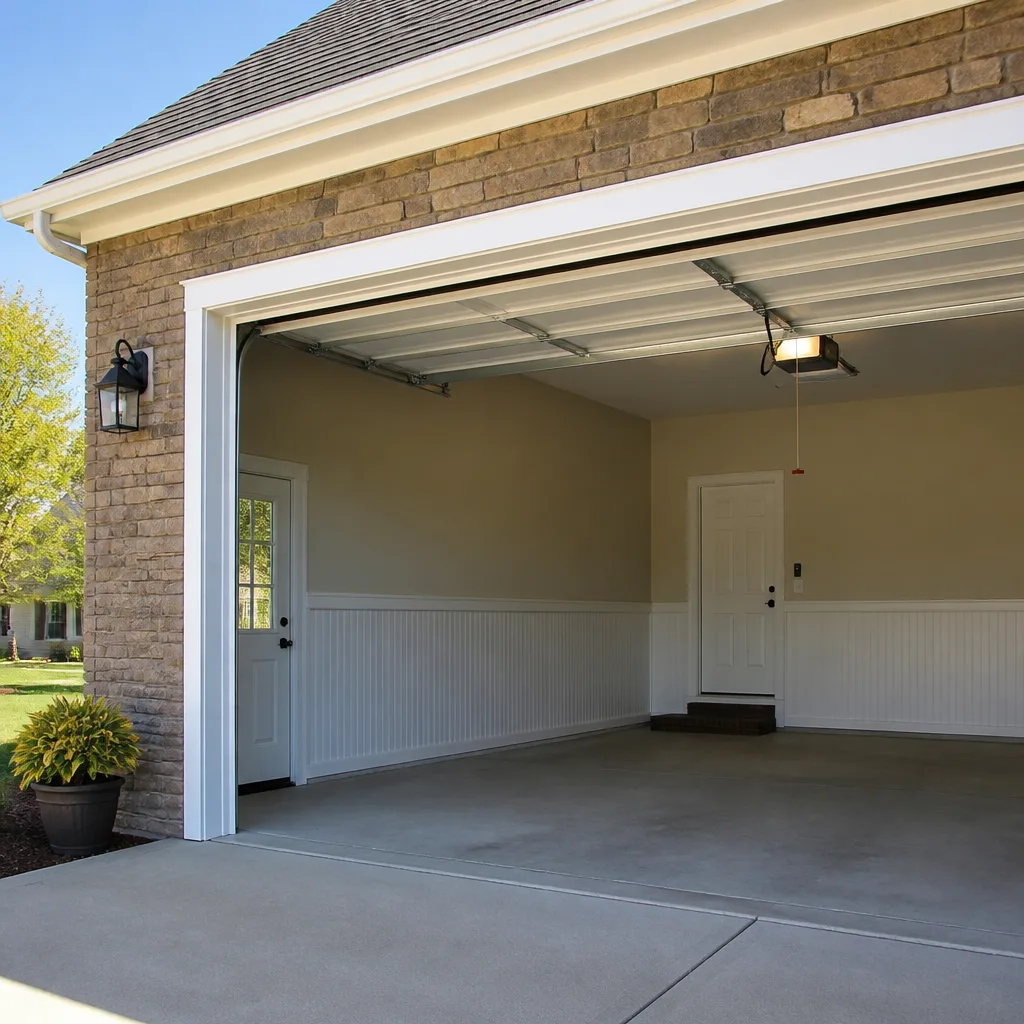 LiftMaster openers
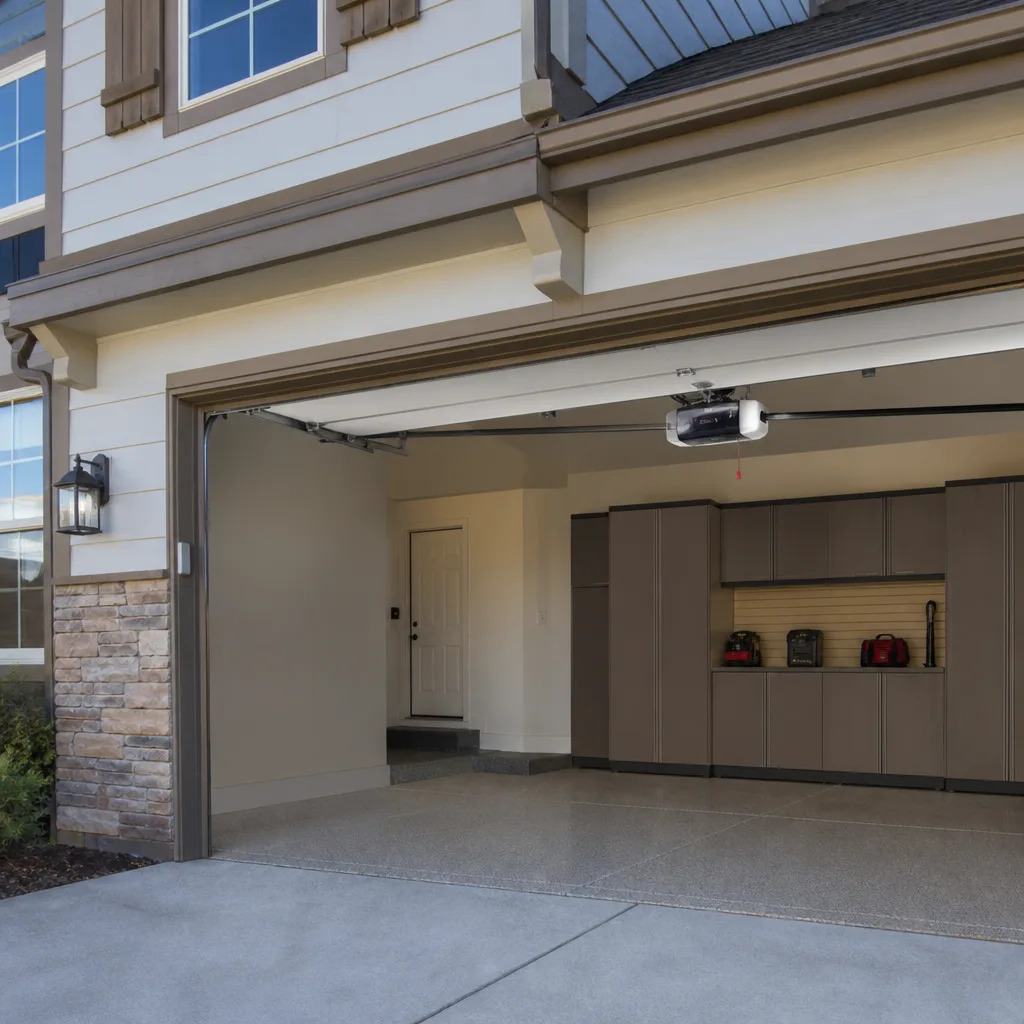 Chamberlain openers
Full 25-point door and opener safety check with every visit - springs, cables, rollers, tracks, and your LiftMaster or Chamberlain opener included
You get a price before we start. It does not change when the truck arrives.
Get your free estimateGarage Door Permits, Codes & Inspections in CA: What You Need to Know
A garage door replacement sounds like a swap-and-go job, but in California, adding a new opener to a door that didn’t previously have one technically triggers an electrical permit requirement in most Riverside County jurisdictions – a fact most contractors don’t volunteer upfront. Homeowners in Jurupa Valley discover this the hard way: at a home inspection, during a refinance, or when an insurance adjuster asks for paperwork that doesn’t exist. This guide walks through exactly when a permit is required, what Title 24 demands of a new door, how Riverside County inspections actually work, and what an unpermitted job can cost you when you sell. For Garage Door Warning Signs: A Jurupa Valley Homeowner’s Reference Guide, see our related resource.
Quick Answer
Most garage door replacements in California do not require a building permit if the door fits the existing opening and no structural changes are made. However, a permit is typically required in Riverside County when the project involves new electrical work (adding an opener where none existed), structural modification to the opening, or converting a garage to living space. A new door must also meet Title 24 energy standards for U-factor, and fire-rated doors are mandatory for attached garages. You can verify permit requirements through the Riverside County Building & Safety Department before any work begins.
Styles & brands we work with
- Raised-panel steel
- Carriage house
- Modern flush
- Full-view glass
- LiftMaster openers
- Chamberlain openers
Table of Contents
- When a Garage Door Permit Is Required in California
- How Riverside County and Jurupa Valley Handle Garage Door Permits
- Title 24 Energy Requirements and Garage Door U-Factor Ratings
- Fire-Rated Door Requirements for Attached Garages
- The Permit Process Step by Step in Riverside County
- What Happens When Unpermitted Work Surfaces During a Sale
- How to Verify Your Contractor Is Pulling the Right Permits
- Common Mistakes to Avoid
- When to Call a Professional
- Frequently Asked Questions
- The Bottom Line
When a Garage Door Permit Is Required in California
California building codes are enforced at the county and city level, which means the answer to “do I need a permit?” depends on where you live. In Riverside County, including Jurupa Valley, the rules follow the California Residential Code (CRC) and the California Energy Code (Title 24, Part 6). The short version: a straight replacement of a garage door in an existing opening, with no electrical work and no structural changes, usually falls under “minor repair” and does not require a building permit.
But the exceptions are common enough that we start every Jurupa Valley job by checking them:
- New opener install where none existed: This is the one that surprises people. Running a new circuit or adding an outlet for a garage door opener is electrical work. The California Electrical Code requires a permit. If you’re replacing an existing opener and the outlet is already there, you’re typically fine without one.
- Structural modification to the opening: Widening a door opening, adding a second bay, or converting a single door to a double requires plans, a permit, and an inspection. This is framing work, not a door swap.
- Converting garage space: If you’re turning part of the garage into a bedroom, office, or ADU and replacing the door with a wall or a different door type, that’s a full permit project with its own requirements.
- Attached garage fire-rated door replacement: If the door between your garage and living space is being replaced or modified, you need a fire-rated assembly. This isn’t optional, and the inspector will check it.
- New construction: Any door installed as part of new construction or an addition already sits inside a building permit. The door itself doesn’t need a separate one.
In our experience working across Jurupa Valley, Mira Loma, and Pedley, the most common permit trigger we see is the opener. Homeowners buying an older home with a manual door decide to add automation for convenience, and they don’t realize the electrical work involved. A reputable contractor will flag this before the job starts.
How Riverside County and Jurupa Valley Handle Garage Door Permits
Jurupa Valley operates under Riverside County’s building permit system. The Riverside County Building & Safety Department handles plan checks, permit issuance, and inspections for most residential work in the city. The good news: for a simple garage door replacement that doesn’t require a permit, you don’t have to interact with the county at all. For projects that do require one, the process is straightforward once you know the steps.
What most homeowners don’t know is that Riverside County has specific requirements for garage door permits that differ from neighboring counties like San Bernardino or Orange County. Riverside County inspectors are particularly thorough about fire separation between attached garages and living space, which is a legacy of the region’s wildfire history and the county’s emphasis on life safety. A door that meets the basic standards might still fail an inspection in Jurupa Valley if the framing or seal doesn’t meet the county’s stricter fire-resistance expectations.
We’ve also seen a pattern in Jurupa Valley’s older neighborhoods where the garage was built before current fire code standards. If your home was built before the mid-1970s, there’s a higher chance the door assembly has gaps, missing seals, or unrated panels. A replacement project in that scenario can become a permit-and-inspection project because fixing the deficiencies requires work beyond a simple door swap.
The key point: don’t assume your “simple” replacement is simple until someone has looked at the existing opening, the framing, the electrical situation, and the door type. That’s the difference between a one-day job and a two-week job with county inspections. And it’s why we recommend getting a Garage Door Repair in Jurupa Valley evaluation before committing to a replacement.
Title 24 Energy Requirements and Garage Door U-Factor Ratings
California’s Title 24 energy code applies to garage doors in specific situations. If your garage is part of the home’s conditioned space, or if it’s semi-conditioned (insulated walls, maybe a duct running through it), the door you install must meet a minimum U-factor rating. U-factor measures heat transfer: the lower the number, the better the insulation.
Here’s what Title 24 actually requires for garage doors in California:
| Garage Type | Title 24 Requirement | U-Factor Threshold |
|---|---|---|
| Detached, unconditioned garage | No U-factor requirement | N/A – any standard door qualifies |
| Attached, unconditioned garage | No U-factor requirement on the vehicle door itself | N/A – fire rating applies instead |
| Semi-conditioned garage (insulated walls, HVAC nearby) | Door must meet climate-zone U-factor | Typically U-0.35 or lower for Riverside County (Climate Zone 10) |
| Conditioned garage (heated/cooled as living space) | Full Title 24 compliance required | U-0.30 or lower, plus air leakage limits |
Riverside County sits in Climate Zone 10, which is hot-dry. The practical impact: if your garage has become a workshop or gym with a mini-split, and you’re replacing the door, your new door should have a U-factor of 0.35 or better to comply. Insulated steel doors from manufacturers like Clopay and Amarr typically hit U-0.20 to U-0.30 with polyurethane cores, which clears the bar easily. Uninsulated single-layer steel doors land around U-1.20 and won’t pass if an inspector checks.
Most Jurupa Valley homes have attached, unconditioned garages. That means the vehicle door itself doesn’t carry a U-factor mandate under Title 24. But many homeowners insulate anyway because the garage absorbs heat all day and radiates it into the house all night. In our Jurupa Valley installs, we see more Amarr and Wayne Dalton insulated doors being chosen specifically for temperature control, even when code doesn’t require the insulation.
Fire-Rated Door Requirements for Attached Garages
The fire separation requirement is the part of the code that impacts most garage door projects in California, and it’s where inspectors in Riverside County pay the most attention. An attached garage shares a wall or ceiling with living space. If a fire starts in the garage, the goal is to slow its spread into the home long enough for occupants to get out.
California Residential Code Section R302.5 sets the rules: the wall and any door between an attached garage and living space must provide a minimum 20-minute fire rating. The vehicle door itself (the big one your car drives through) does not carry a fire rating requirement under this section. The fire-rated door requirement applies to the pedestrian door connecting the garage to the interior of the house, and to the walls and ceiling.
But here’s the nuance that catches Jurupa Valley homeowners off guard:
- The pedestrian door inside the garage: If it’s being replaced as part of your garage project, it must be a solid-core wood door, a solid wood door, or a listed 20-minute fire-rated door with a self-closing device. Hollow-core interior doors are not compliant.
- The vehicle door’s role: While the vehicle door doesn’t require a fire rating, it must be properly sealed at the perimeter to limit air and smoke transfer. Damaged weatherstripping or misaligned tracks that leave gaps can earn a citation during an inspection that follows a permit job.
- Drywall on shared walls: The wall between the garage and living space needs 1/2-inch gypsum board on the garage side if there’s living space above the garage, and the ceiling needs 5/8-inch type X. If your garage door project involves opening walls, the inspector will verify this.
When we install a new door in an attached garage in Jurupa Valley, we check the pedestrian door fire rating and the seal quality as part of the job even if they’re outside the scope. The vehicle door and the fire separation work together as a system. A new opener and door with a lousy seal on the side door still fails the spirit of the fire code.
The Permit Process Step by Step in Riverside County
If your garage door project does require a permit in Jurupa Valley, here’s what the process actually looks like from start to finish. This is based on how we navigate the Riverside County Building & Safety Department for our installation work:
- Determine permit scope. Confirm whether the job needs an electrical permit (new opener circuit), a building permit (structural changes), or both. This is where your contractor should be frank with you.
- Prepare the application. The permit application goes to Riverside County Building & Safety. For simple electrical permits, it’s often a same-day or next-day approval. For structural work, you’ll need plans, which means a drafter or an experienced installer who can produce them.
- Pay the fee. Electrical permit fees in Riverside County for a new garage opener circuit typically run $50 – $150. Building permit fees for structural work vary by valuation, typically $200 – $600 for a garage door opening modification.
- Schedule the inspection. Once the work is done, the contractor or homeowner calls for inspection. Riverside County generally schedules residential inspections within 1 – 3 business days in the Jurupa Valley area.
- Pass the inspection. The inspector checks the electrical work (breaker, wiring, outlet, grounding), the door installation (fastening, seals, fire separation where applicable), and signs off. You get a finaled permit, which matters when you sell.
The entire cycle for a typical electrical permit runs about one to two weeks from application to final inspection, accounting for scheduling. Structural permits extend that to three to six weeks depending on plan check volume. During the hot months in Jurupa Valley, plan check times can stretch because the county handles a spike in solar and HVAC permits, so fall and winter projects tend to move faster.
One more thing: in Riverside County, the permit holder can be the homeowner or the contractor. If a contractor pulls it under their name, their contractor’s license number is tied to the permit record. That’s a good thing. It means accountability follows the work.
What Happens When Unpermitted Work Surfaces During a Sale
This is the section most people don’t read until they need it. We’ve been called out to homes in Jurupa Valley where a seller discovered, during escrow, that their five-year-old garage door opener was installed without a permit. Here’s what typically happens:
- The buyer’s home inspector flags it. Modern home inspections in California note when a garage door opener has been added without a corresponding permit on record. This is a negotiating point. Buyers will ask for a price reduction, a retroactive permit (which requires opening walls to inspect wiring), or a credit to fix it.
- Insurance claims get complicated. If an unpermitted electrical installation causes a fire and the insurance company discovers the work was unpermitted, they may deny the claim or reduce the payout. Opener circuits are low-risk electrical work, but the unpermitted status is still a liability the insurer can use.
- Retroactive permits are possible but costly. Riverside County allows retroactive permits via the “as-built” path, but it requires an inspection of work that’s already covered by drywall and is expensive to expose. The cost far exceeds what the original permit would have been.
- Some buyers walk. If a seller can’t produce a finaled permit for work that should have had one, and the buyer’s agent is thorough, the deal can fall apart. We’ve seen it happen in Jurupa Valley’s competitive market where buyers have options.
The pattern is consistent: a $100 permit at the time of installation saves thousands in sale negotiations years later. If you’re buying a home in Jurupa Valley and the garage door opener looks newer than the house, ask the seller for the permit record. If they can’t produce one, factor that into your offer.
How to Verify Your Contractor Is Pulling the Right Permits
A contractor who offers to “skip the permit to save you money” is doing you no favor. The savings is theirs: no fee, no inspection, no accountability. You carry the liability. Here’s how to verify that the company you hire is doing this correctly in Jurupa Valley:
- Ask the direct question: “Does this job require a permit, and will you pull it?” A licensed contractor should answer without hesitation. If they deflect, change the subject, or tell you “nobody gets permits for this,” that’s your answer.
- Ask for the permit number. Once the permit is pulled, you should receive a permit number from Riverside County. You can verify it online through the Riverside County Building & Safety permit lookup portal.
- Check the contractor’s license. California requires a C-61/D-28 (door and gate) or B (general building) license for garage door work. Verify the license status on the Contractors State License Board website. If the person has no license, they can’t pull a permit at all.
- Ask who calls for inspection. The answer should be clear: either the contractor calls once the work is ready, or you receive a notice to call. If there’s no inspection step, there’s no permit.
- Request the finaled permit. Once the work is done and inspected, you should receive a copy of the finaled permit for your records. Keep it with your closing documents. You’ll need it when you sell.
At Briarwood Garage Door Repair home, we pull permits for every job in Jurupa Valley that requires one, and we tell homeowners upfront when a permit isn’t needed. Being brand-agnostic helps us be honest about this: we’re not incentived to bundle a “free opener upgrade” that turns out to be unpermitted electrical work.
Common Mistakes to Avoid
- Assuming all door replacements are permit-free. The door itself may be fine without one, but the opener, the framing, or the fire-rated pedestrian door might not be. Check all components before assuming.
- Choosing a door that doesn’t meet Title 24 in a semi-conditioned garage. If your garage in Jurupa Valley has been converted to a workshop, gym, or home office, an uninsulated door may fail an inspection. Install a U-0.35 or better door the first time.
- Using a hollow-core door between garage and house. This is a fire code violation. If your garage door project touches that interior door in any way, make sure it’s solid-core or listed fire-rated.
- Accepting “nobody pulls permits for that.” Every licensed contractor who works in Riverside County knows the rules. Anyone who says permits are optional for electrical work is either unlicensed or cutting corners.
- Forgetting to keep the permit record. A finaled permit is a document that protects your home value. Lost permits mean stress during a sale.
- Replacing a door without checking the existing seal and framing condition. In Jurupa Valley’s older homes, degraded framing around the opening often needs attention. A new door on a bad frame fails an inspection and undermines the fire separation.
- Doing your own electrical for a new opener. Running a new circuit without a permit, or doing it incorrectly, creates a liability that follows the home. This is not a DIY task; the California Electrical Code has specific requirements for garage circuits.
When to Call a Professional
Garage door projects that trigger permit requirements are not casual DIY territory. If your project involves new electrical wiring for an opener, structural changes to the opening, or replacement of a fire-rated pedestrian door, you need a licensed contractor who knows the Riverside County process. The same goes for any situation where an unpermitted installation needs to be brought up to code for a sale. We handle Garage Door Opener Repair in Jurupa Valley with the same code-awareness as full installs. Briarwood Garage Door Repair offers free estimates in Jurupa Valley – call (866) 569-5176 to discuss your project and what permits, if any, it will require.
Frequently Asked Questions
Most direct replacements of a garage door in an existing opening do not require a building permit in Jurupa Valley, provided no structural changes are made and no new electrical work is performed. For full maintenance guidance, see our Garage Door Repair Maintenance Checklist for Jurupa Valley Homeowners. If the project includes a new opener circuit, structural modification, or fire-rated pedestrian door replacement, a permit is required through Riverside County Building & Safety. Call (866) 569-5176 to confirm your project’s classification.
Electrical permits for a new garage opener circuit typically cost $50 – $150, and building permits for structural modifications typically run $200 – $600 depending on valuation. The exact fee depends on your project scope, and Riverside County sets these rates annually. Estimates are free – call (866) 569-5176 to discuss what your project needs.
No. Adding a new electrical circuit or outlet for a garage door opener triggers an electrical permit requirement in most California jurisdictions, including Riverside County and Jurupa Valley. Replacing an existing opener that plugs into an existing outlet typically does not require a permit.
In Climate Zone 10 (Riverside County), a semi-conditioned or conditioned garage requires a door with a U-factor of 0.35 or lower. A detached or attached unconditioned garage has no U-factor requirement for the vehicle door. Most insulated steel doors from Clopay, Amarr, and Wayne Dalton exceed this standard.
Yes, it can. Home inspectors frequently flag unpermitted electrical work during escrow, which gives buyers negotiating leverage to demand repairs, a retroactive permit, or a price reduction. Some deals fall through entirely. A $50 – $150 permit at installation prevents this problem.
Yes. The pedestrian door between an attached garage and living space must be a solid-core wood door, solid wood door, or a listed 20-minute fire-rated assembly with a self-closing device. The vehicle door itself does not require a fire rating, but the perimeter seal must be intact to limit air and smoke transfer.
The Bottom Line
Garage door permits in California aren’t as complicated as they’re made out to be, but they aren’t optional when the scope triggers them. In Jurupa Valley, the three things that require permits are new electrical circuits for openers, structural modifications to the opening, and fire-rated pedestrian door replacements. Title 24 U-factor requirements apply only to conditioned and semi-conditioned garages, but many homeowners insulate anyway for comfort. The most expensive path is skipping the permit and discovering the problem at closing. Pull the permit, keep the record, and hire a contractor who’s honest about where the line is. Explore more guides & resources on our blog. That’s how you protect the home and the sale.
Need Help With Your Garage Door Project in Jurupa Valley?
Whether you’re replacing a door, adding an opener, or trying to sort out a permit question before a sale, we can help. Garage Door Installation in Jurupa Valley is one of our core services, and we handle the permit side so you don’t have to think about it. If you’re not sure whether your project needs a permit, ask us first. Briarwood Garage Door Repair offers free estimates in Jurupa Valley – call (866) 569-5176 and we’ll walk you through exactly what your job requires, including permits, code compliance, and pricing agreed before any work begins.
Written by the team at Briarwood Garage Door Repair, serving Jurupa Valley since 2018.
See the difference
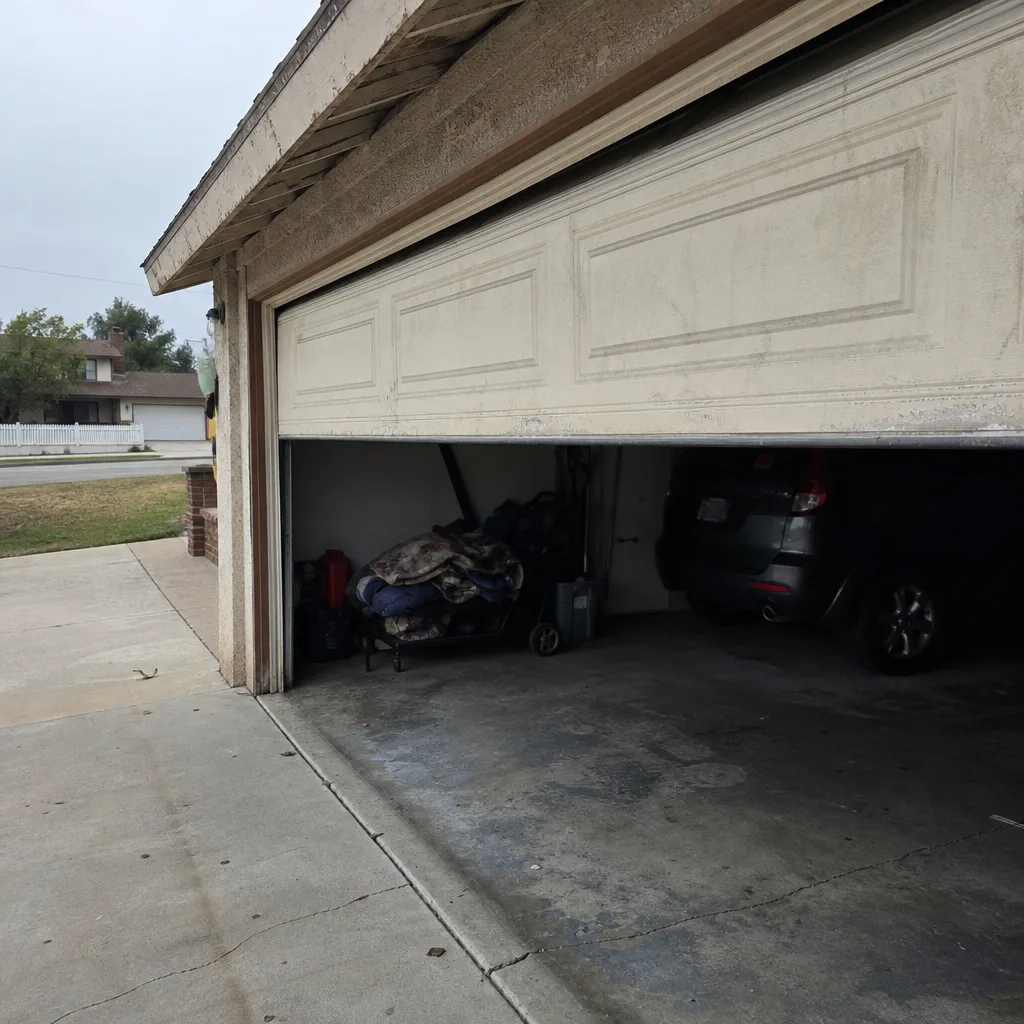 Before
 After
 Before
 After
 Before
 After