
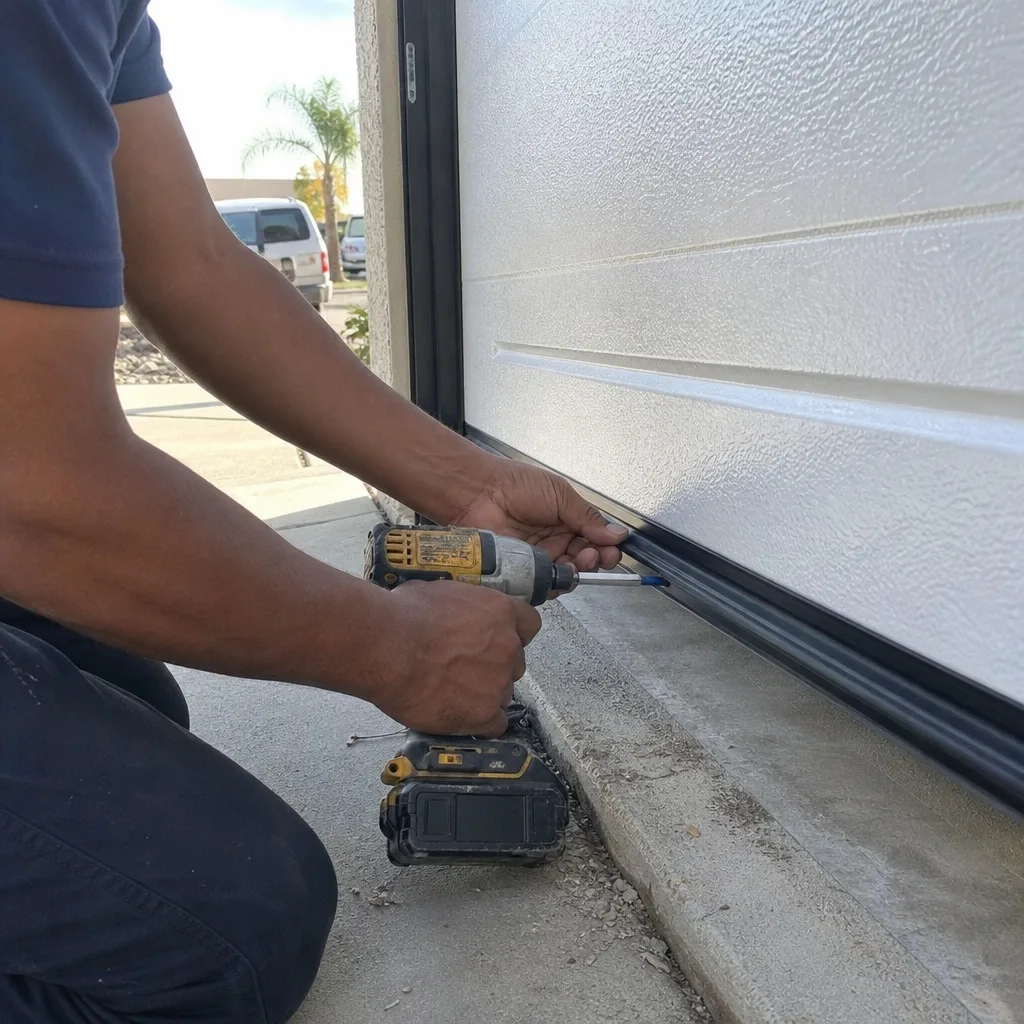
Last updated November 2, 2026
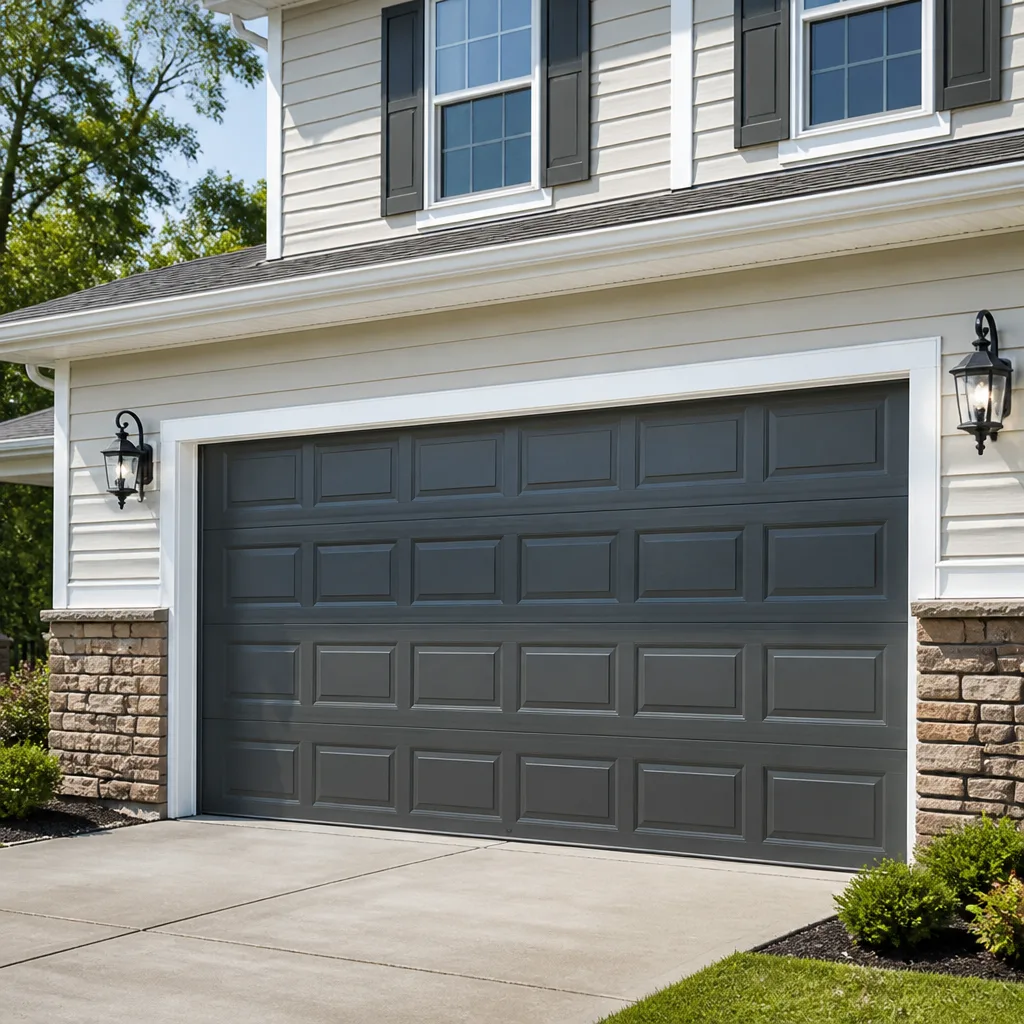 Raised-panel steel
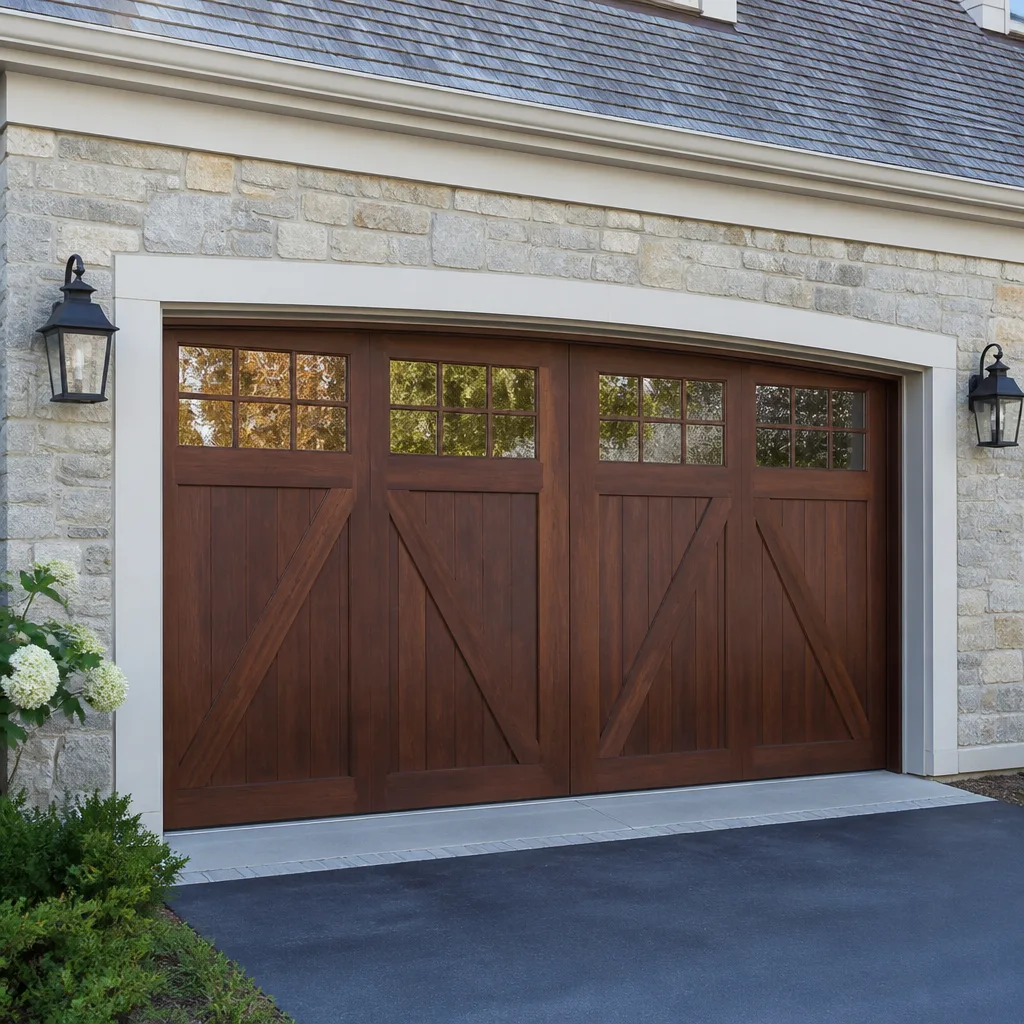 Carriage house
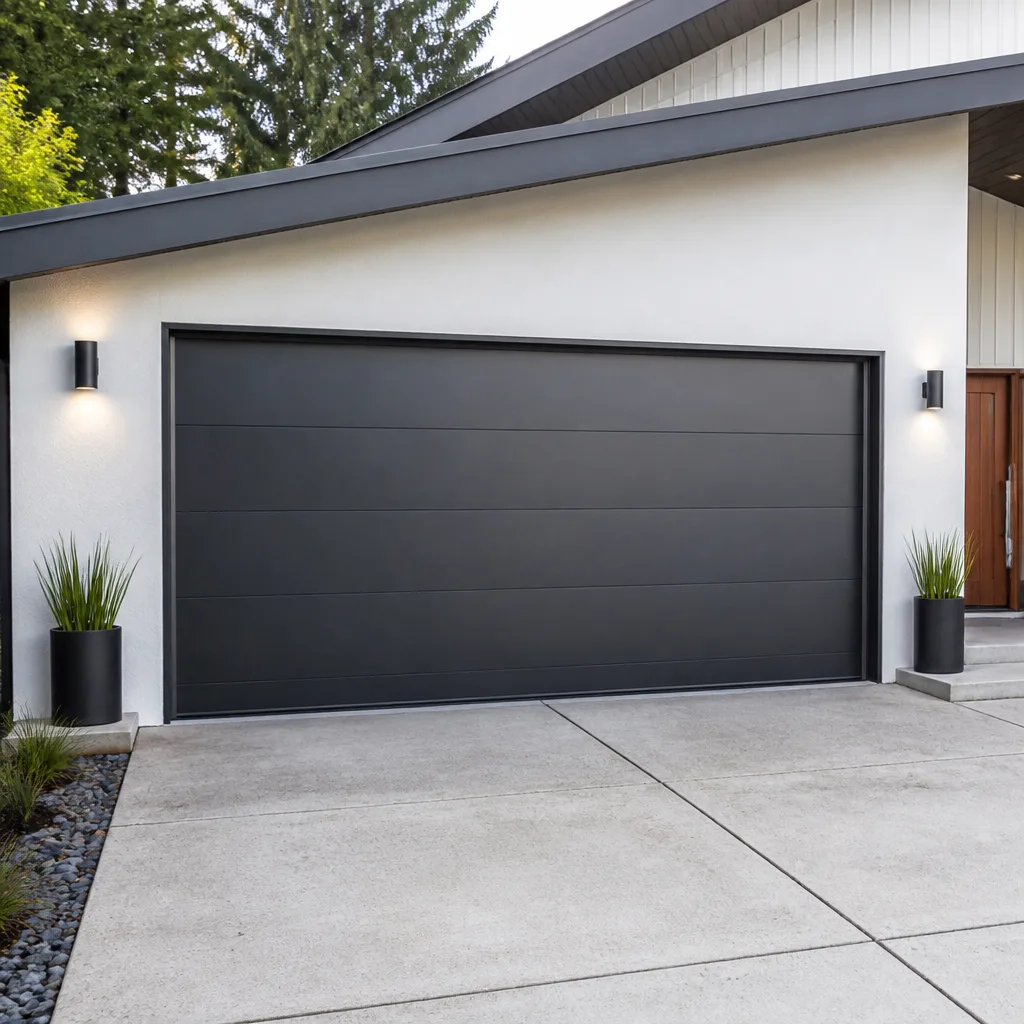 Modern flush
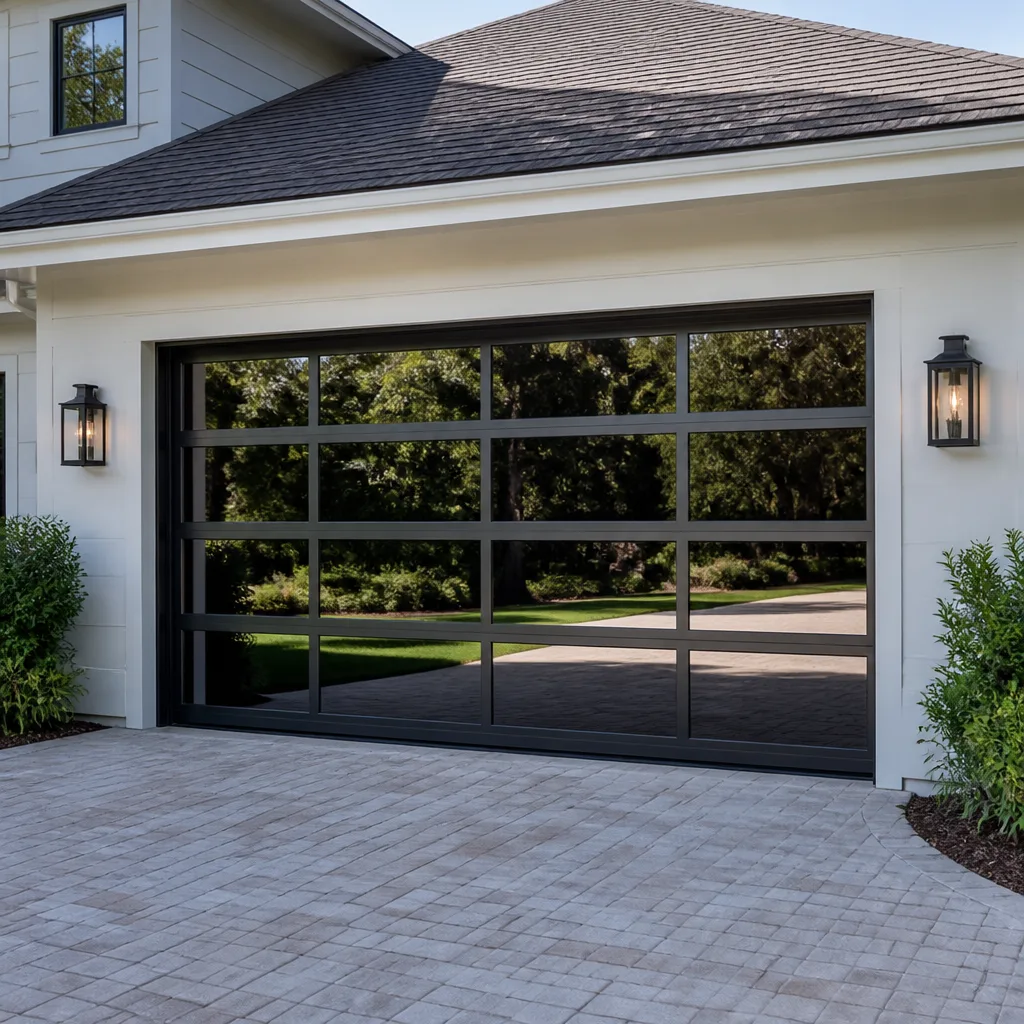 Full-view glass
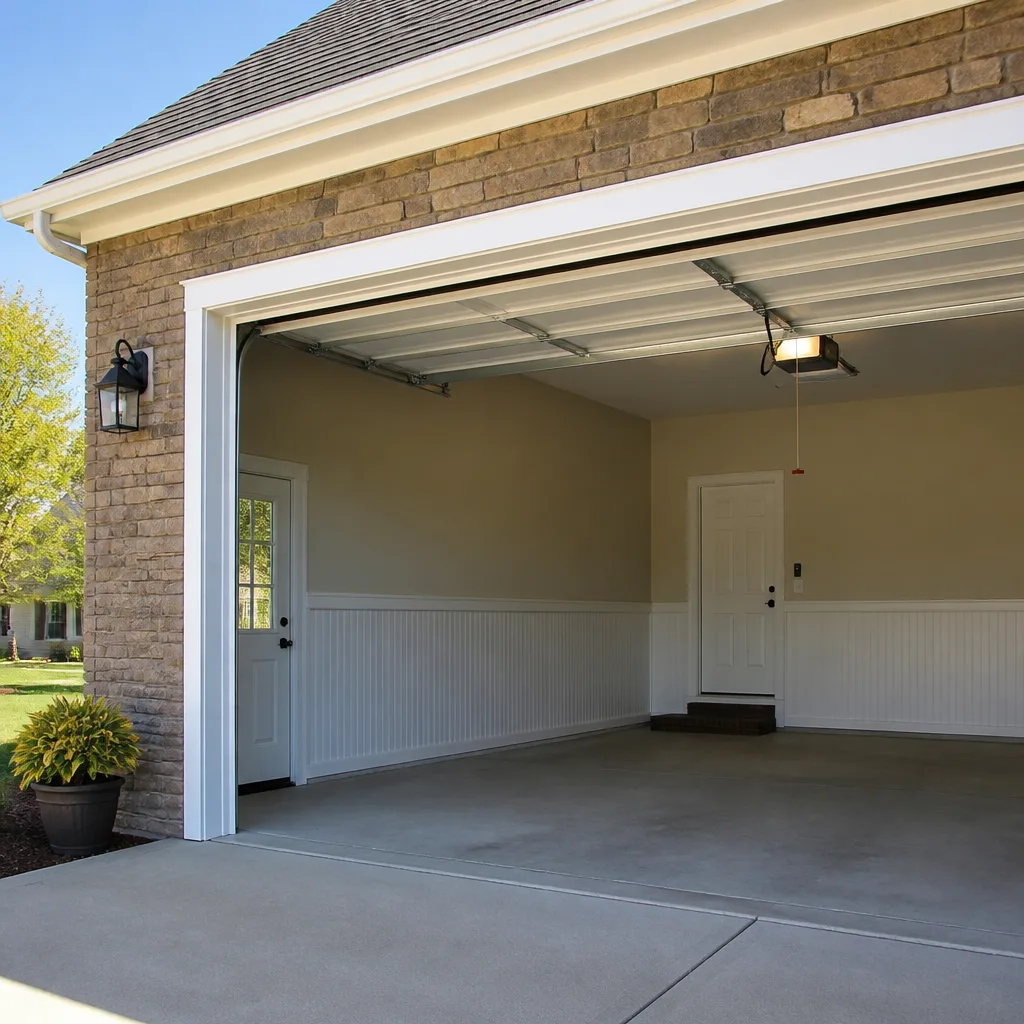 LiftMaster openers
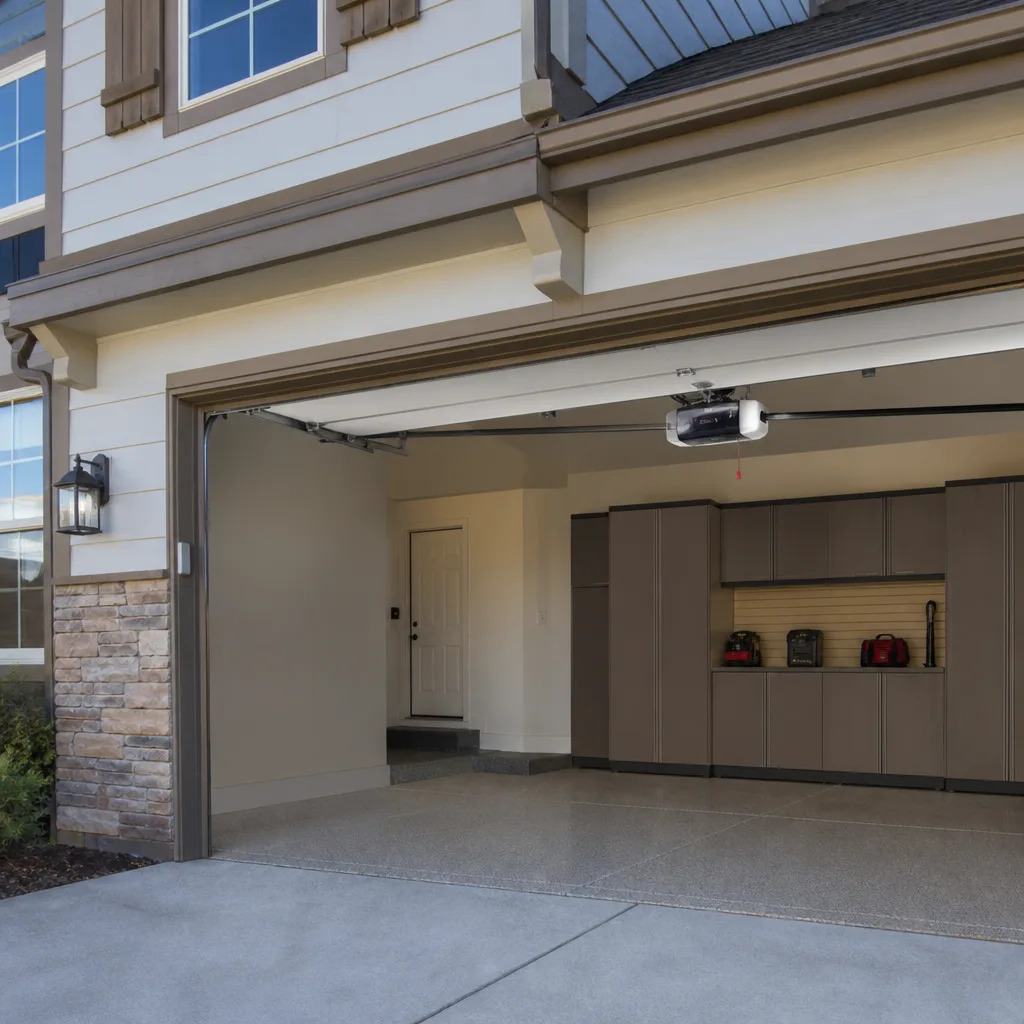 Chamberlain openers
Full 25-point door and opener safety check with every visit - springs, cables, rollers, tracks, and your LiftMaster or Chamberlain opener included
You get a price before we start. It does not change when the truck arrives.
Get your free estimateGarage Door Cost Breakdown: The Jurupa Valley Homeowner’s Reference for 2026
In Jurupa Valley, the same garage door spring job can be quoted at $299 by one company and $650 by another, with both installers pulling parts from the same distributors in Riverside and Ontario. The gap isn’t markup on parts. It’s usually labor rate, warranty depth, and whether the tech understands your specific door weight and cycle rating well enough to quote it correctly. This guide and our Garage Door Repair Maintenance Checklist for Jurupa Valley Homeowners give you the cost anatomy to read any quote intelligently, know which numbers are legitimate, and spot where a bid is padding profit or cutting corners you’ll pay for later. We’re going to walk through component-level pricing, opener costs by motor type, warranty math, and the handful of jobs where DIY actually makes sense in Jurupa Valley’s specific market.
Quick Answer
Garage door repair costs in Jurupa Valley range from $125 – $450 for most component fixes (springs, cables, rollers, sensors) and $900 – $3,200 for a full door installation, with openers running $325 – $750 installed depending on drive type. The biggest cost variable is spring type and door weight: torsion spring replacement on a double steel door runs $180 – $340, while a single extension-spring door may cost as little as $120 – $200. Labor rates in the Inland Empire run $75 – $125 per hour, but flat-rate job pricing is standard, so insist on a written line-item quote before any work starts.
Styles & brands we work with
- Raised-panel steel
- Carriage house
- Modern flush
- Full-view glass
- LiftMaster openers
- Chamberlain openers
Table of Contents
- Spring Replacement Costs: Torsion vs. Extension
- Cables, Rollers, and Panels: The Smaller Repairs That Add Up
- Garage Door Opener Costs by Drive Type
- Full Door Installation: What a New Door Actually Costs
- Why Quotes Differ by Hundreds on the Same Job
- Warranty Terms as a Cost Factor: Parts vs. Labor
- DIY Jobs That Save Money vs. Jobs That Cost 60% More to Fix
- Common Mistakes to Avoid
- When to Call a Professional
- Frequently Asked Questions
Spring Replacement Costs: Torsion vs. Extension
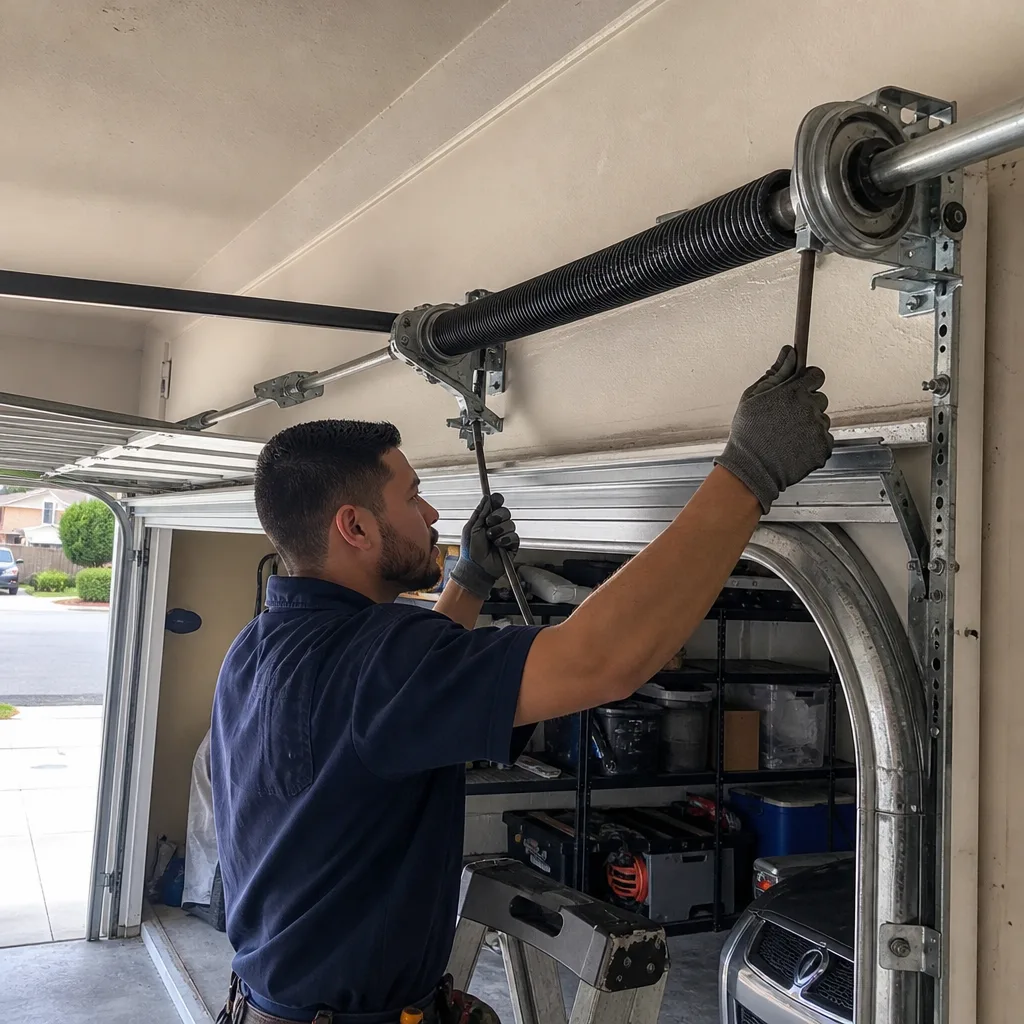
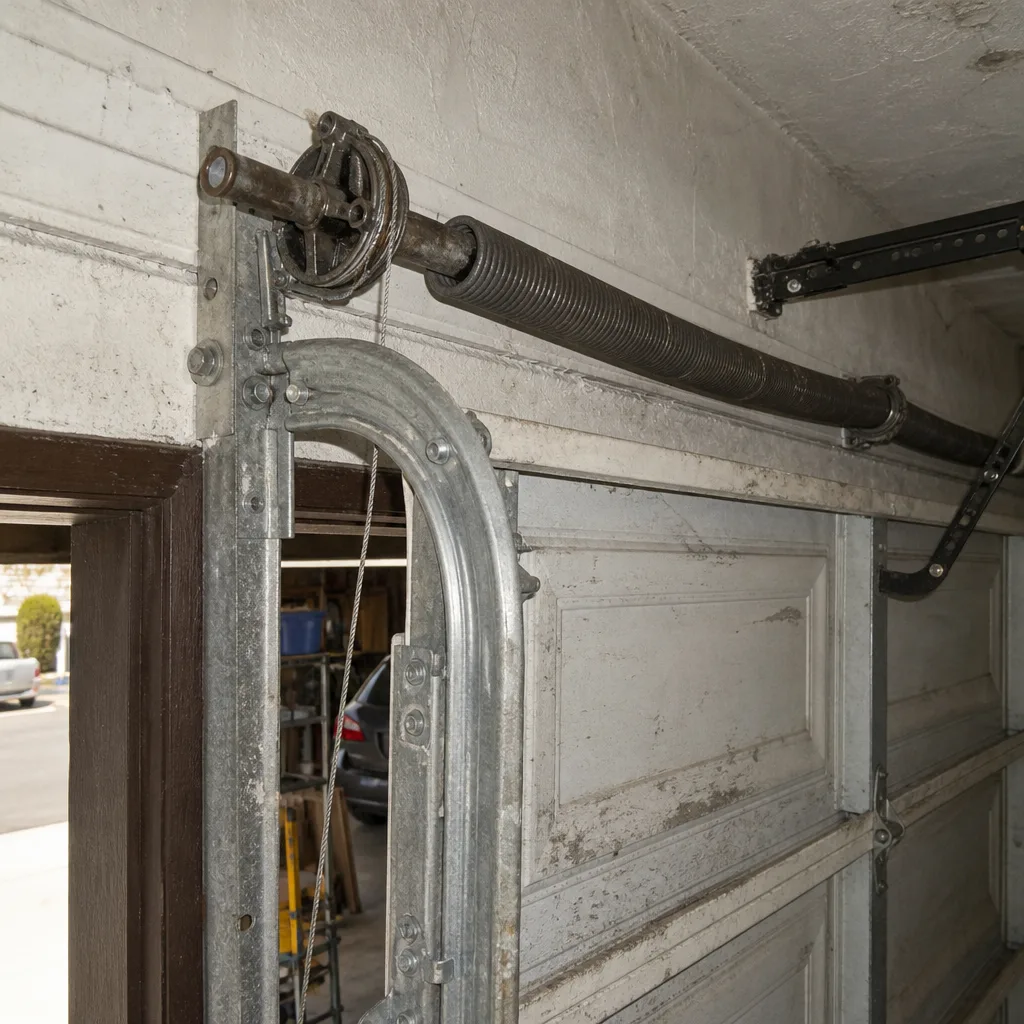
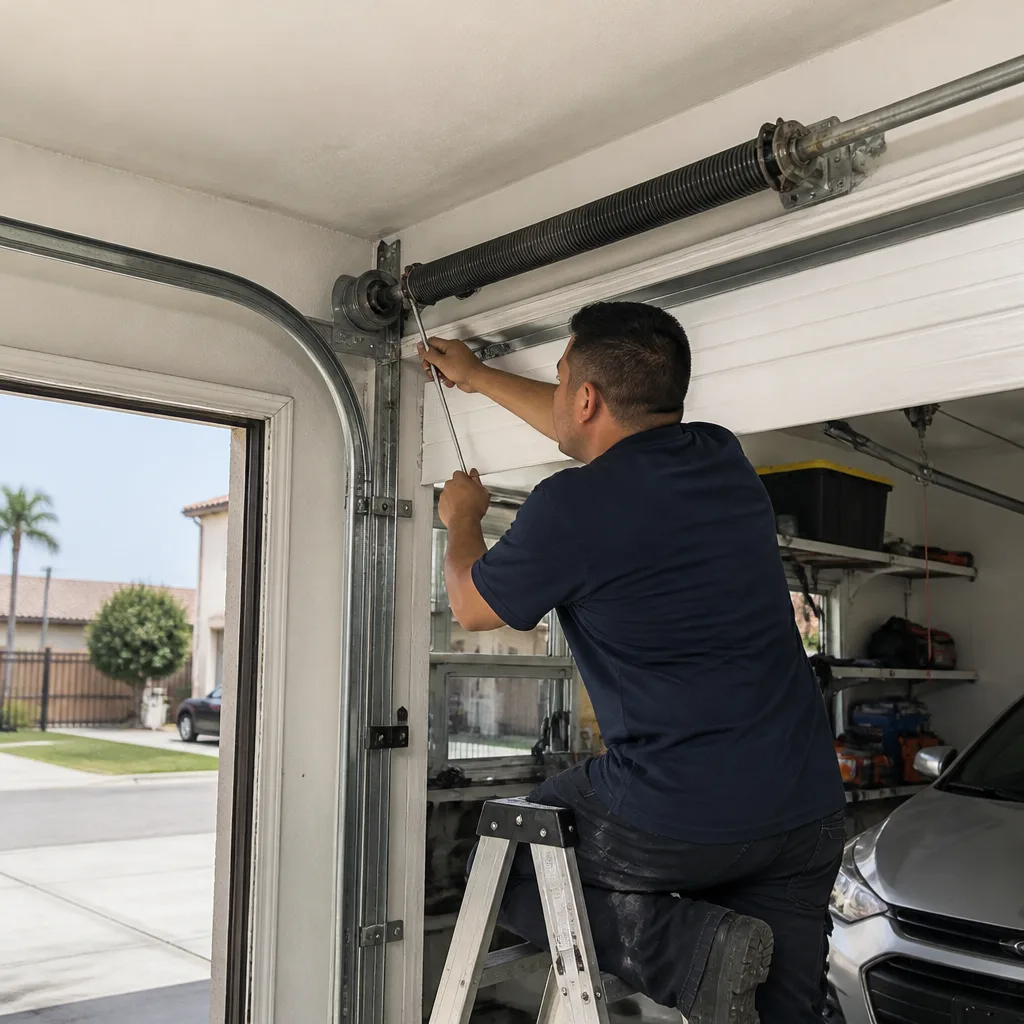
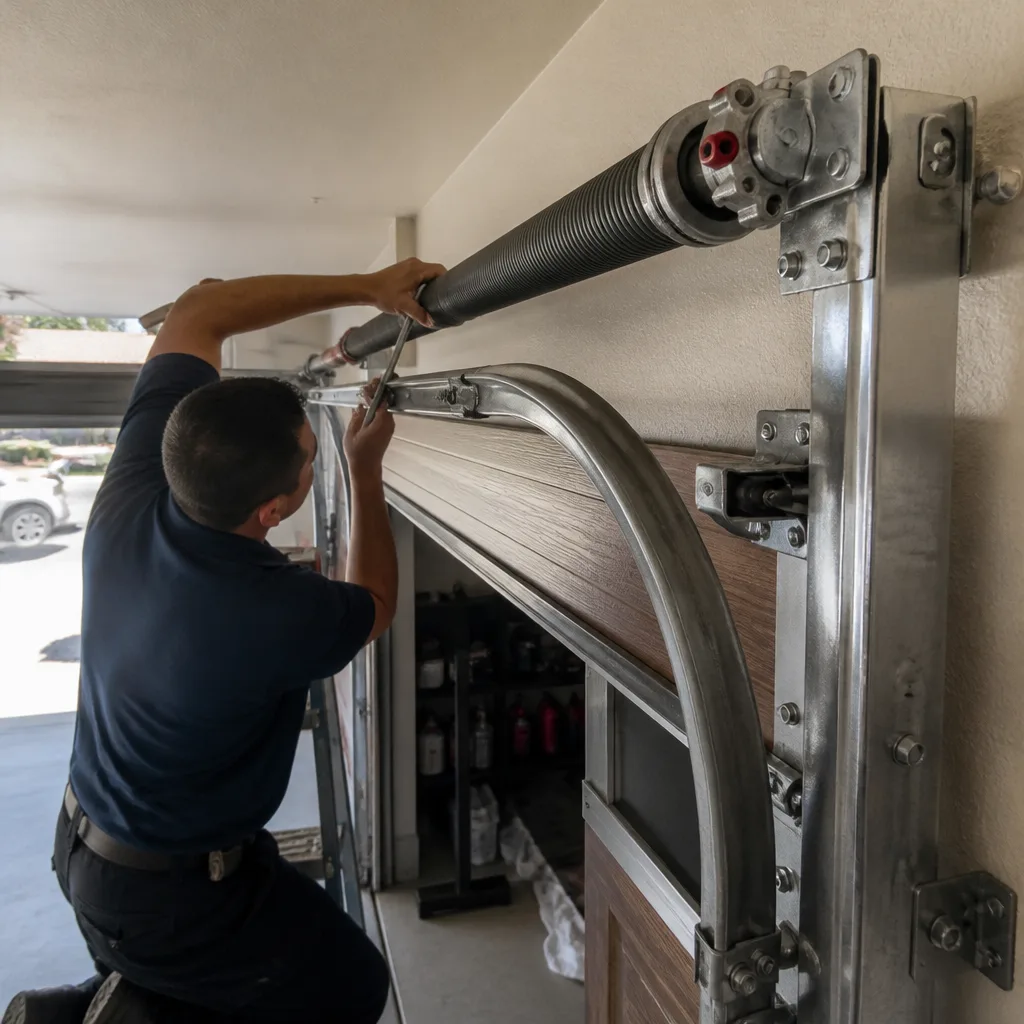
Spring replacement is the repair Jurupa Valley homeowners call about most, and for good reason. Springs carry the full weight of your door every cycle, and when one fails, the door either won’t open or becomes dangerous to operate. In our experience across Jurupa Valley neighborhoods from Pedley to Mira Loma, spring failures account for roughly 60% of all service calls.
Here’s the 2026 breakdown for spring replacement in the Inland Empire market:
- Torsion spring replacement (single spring): $180 – $260 installed. This covers a standard 10,000-cycle oil-tempered spring on a single-car door. The spring itself costs $40 – $80 at Inland Empire distributor prices; the rest is labor.
- Torsion spring replacement (double spring): $280 – $380 installed. Two springs share the load and extend system life. If your double door has only one spring, it was likely a conversion by a previous owner, and we recommend adding the second spring during replacement.
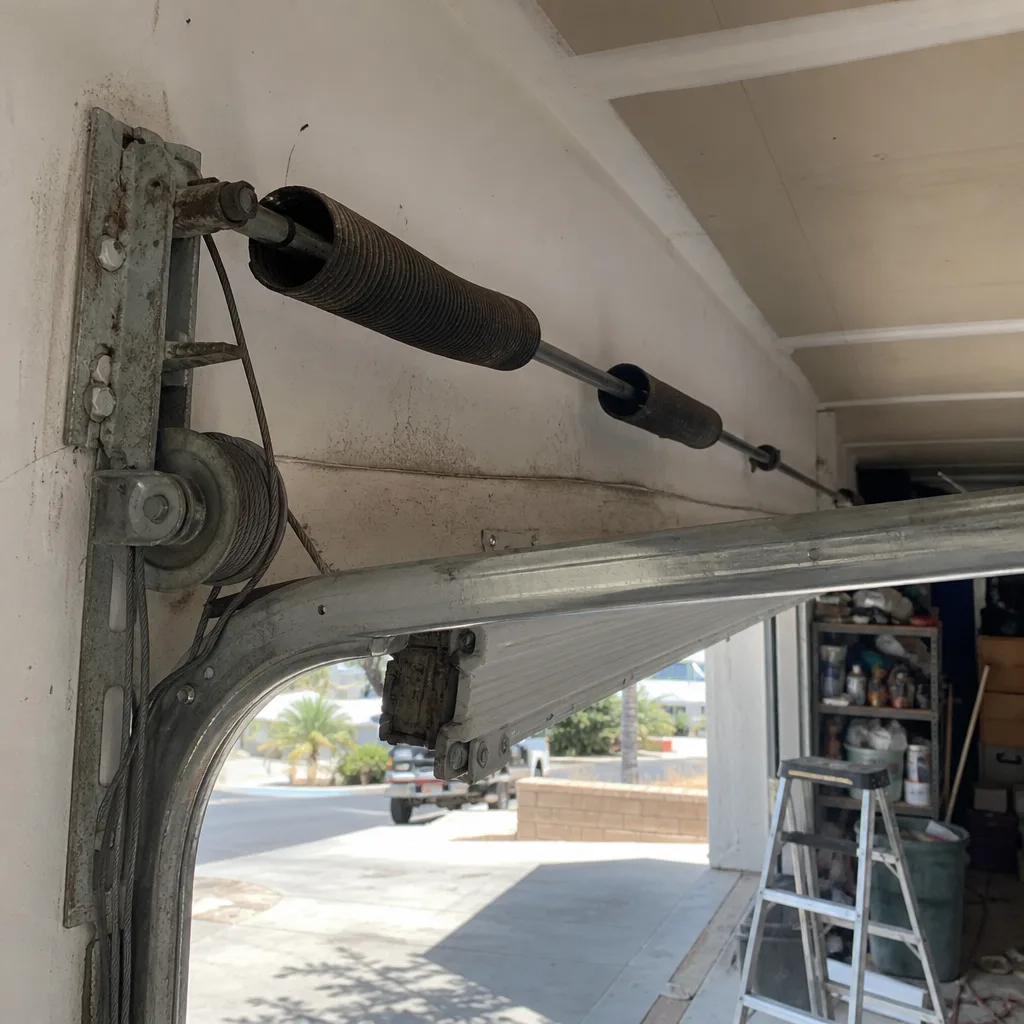
- Extension spring replacement (single spring): $120 – $180 installed. These are the side-mounted springs on older doors. They’re cheaper parts but wear faster and lack the safety cable containment that’s now standard.
- High-cycle spring upgrade: Add $40 – $80 per spring. A 25,000 – 30,000 cycle spring lasts roughly three times longer than standard. For a door that cycles 4 – 6 times daily, the math favors the upgrade within 5 years.
- Labor-only spring replacement (parts supplied by homeowner): $90 – $120. Most reputable shops in Jurupa Valley won’t install customer-supplied springs because they can’t verify the part rating or source, and they can’t warranty it. We don’t either.
Here’s the thing about spring pricing that most guides won’t tell you: the motor class of your door determines whether you need one technician or two. A Wayne Dalton 9100 single-car door weighs about 90 pounds and one tech can knock out a spring swap in 45 minutes. An Amarr Classica double-car steel door with insulation and glass inserts can weigh 350+ pounds, and safe spring replacement requires a second set of hands to manage the door weight during unwinding. That second technician is why one quote comes in at $280 and another at $380 for what looks like the identical job. The higher quote isn’t padding. It’s staffing correctly for your door’s actual weight.
Safety note: Torsion springs under tension store enough energy to cause serious injury or death if they release uncontrolled. If you’re reading this as a research step for a DIY spring replacement, stop and read our Garage Door Emergency Preparedness Guide for Jurupa Valley Homes instead, then call a professional. This is not a job you learn from a YouTube video. We’ve corrected DIY spring attempts in Jurupa Valley where homeowners used screwdrivers as winding bars and the results ranged from bent torsion tubes to ripped sheetrock to hospital visits.
Garage Door Repair in Jurupa Valley covers the full scope of spring, cable, and track work we handle regularly.
Cables, Rollers, and Panels: The Smaller Repairs That Add Up
Springs get the attention, but cable, roller, and panel work is where Jurupa Valley homeowners get nickel-and-dimed if they don’t know the component costs. These are also the repairs where ordering the right part matters more than the labor rate, because a mismatched roller or cable will fail again within months.
Cable replacement
- Single cable replacement: $145 – $195 installed. This includes re-spooling the cable on the drum and verifying the door balances correctly afterward.
- Pair replacement: $180 – $240. We recommend replacing both cables at once. If one has frayed to failure, the other has the same number of cycles on it and is days to weeks behind.
- Safety cable installation for extension-spring doors: $65 – $110 per side. This is the cable that runs through the spring itself and contains it if the spring breaks. Older Jurupa Valley homes with original 1980s – 1990s doors often lack these, and they’re required by current California building code.
In Jurupa Valley’s climate, cables fail for two reasons worth knowing. First, the valley’s summer temperature swings, which regularly hit 20 – 30 degrees between dawn and mid-afternoon, cause metal fatigue cycles on cables that sit under constant tension. Second, the fine dust that blows through the Santa Ana corridors settles on cables and gets drawn into the sheave contact points, acting as a mild abrasive every time the door cycles. It’s not dramatic. It’s just steady wear.
Roller replacement
- Nylon roller set (10 rollers): $55 – $75 in parts, $110 – $160 installed. Nylon rollers are quieter and don’t need lubrication like steel rollers do.
- Steel bearing roller set (10 rollers): $40 – $55 in parts, $95 – $135 installed. These are standard on budget doors and get loud as the bearings wear.
If your door sounds like a train coming off the rails every time it opens, the rollers are done. Bedroom-over-garage layouts, which are common in the newer Jurupa Valley developments east of the 15, make nylon rollers worth the small upcharge for noise alone.
Panel replacement
Panel replacement pricing varies wildly because it depends on whether your specific panel is still manufactured. A current-production Clopay or Wayne Dalton panel runs $175 – $350 for the panel and $200 – $400 installed, depending on whether the tech has to disassemble hardware and replace hinge points. But if your door is 15+ years old and the panel is discontinued, you’re looking at either a custom order ($400 – $650 with lead times of 2 – 4 weeks) or a full door replacement. In several cases we’ve seen in Jurupa Valley, a single bottom panel replacement on a discontinued door cost within $200 of an entirely new entry-level door. That’s the point where panel replacement stops making financial sense.
A good test before calling: check the manufacturer’s sticker on the inside of the door frame. The model number tells whoever you call whether the panel is still in production, and that single piece of information saves a wasted diagnostic trip.
Garage Door Opener Costs by Drive Type
Garage door opener pricing in Jurupa Valley follows a simple rule: the cheapest motor costs the most over five years. Here’s the 2026 breakdown by drive type, including installed prices with standard labor:
- Chain drive opener (installed): $285 – $400. Chain drives are loud and use a metal chain that requires periodic tension adjustment. They’re fine for detached garages but rough for attached garages where the bedroom sits above. Parts cost is lowest, but maintenance and noise are highest.
- Belt drive opener (installed): $375 – $550. Belt drives use a reinforced rubber belt instead of a chain. They’re the quietest option for attached garages and hold tension better than chains. This is the most common opener we install in Jurupa Valley’s newer neighborhoods, and it’s the right default for most homeowners.
- Direct drive opener (installed): $450 – $625. The motor travels along the rail itself, so there’s no chain or belt at all. Fewest moving parts, quietest operation, and the highest reliability. The downside is parts availability: if a board fails, replacement boards can take longer to source than LiftMaster or Chamberlain parts.
- Jackshaft opener (installed): $550 – $750. These mount on the wall beside the door rather than on the ceiling, freeing up overhead space. They’re the right call for high-lift doors, garages with low ceilings, or any setup where a ceiling-mount opener interferes with storage. They cost more because the unit itself is pricier and the install is more involved.
Now, the five-year math. A $285 chain drive with a $95 tension adjustment in year two and year four costs $475 over five years, not counting the noise you lived with. A $425 belt drive with zero scheduled maintenance in that window costs $425, and it’s still quiet on day one of year five. The budget pickup is the chain drive if the garage is detached. Otherwise, skip it and go belt.
One more cost variable the internet rarely mentions: opener horsepower class. Half-horsepower units from Chamberlain and Genie are cheap but marginal on double doors, especially in summer when heat expansion makes the door work harder. Three-quarter horsepower units cost $30 – $50 more at retail and burn out far less often. If your door is double-wide or insulated, spec 3/4 HP minimum. Our Garage Door Opener Repair in Jurupa Valley page covers diagnostic and repair work on all of these drive types.
Full Door Installation: What a New Door Actually Costs
Full door installation is the biggest-ticket job in garage door work, and it’s where Jurupa Valley homeowners are most exposed to quote games if they don’t understand Garage Door Permits, Codes & Inspections in CA: What You Need to Know. A door alone has three cost components: the panel itself, the hardware package (tracks, springs, hinges, cable drums, weather seal), and the install labor with removal of the old door. Here’s what those look like in 2026 Inland Empire pricing:
- Entry-level steel single door (16×7, uninsulated): $900 – $1,400 installed. This is a no-frills door from a volume manufacturer. It works, it seals, and that’s the end of the sentence. Expect a 5 – 10 year panel life.
- Mid-grade steel single door (16×7, insulated, 2-layer): $1,400 – $1,900 installed. Insulation drops garage temperature by 8 – 15 degrees in Jurupa Valley summers, which matters if you use the garage as a workshop or if it shares walls with living space.
- Premium steel or wood composite double door (16×8 or 18×7): $2,200 – $3,200 installed. This includes 3-layer construction, higher R-value, and cosmetic upgrades like glass inserts or decorative hardware.
- Custom wood door: $3,500 – $6,000+ installed. Wood doors are gorgeous and terrible in Jurupa Valley’s dry heat. They warp, they need refinishing every 2 – 3 years, and they’re heavier, which accelerates spring and opener wear. We install them when asked, but we always flag the maintenance burden.
The hardware and labor portions of an installation are often not broken out on the quote, which makes comparing two bids difficult. Ask for the line-item split. A door priced at $1,100 with $400 of labor is a different value proposition than a door priced at $1,400 with $100 of labor, even though the total is identical. The second quote is cutting labor corners. You should know that before signing.
For Jurupa Valley specifically, we recommend insulated doors for any attached garage. The summer daytime heat in the valley pushes uninsulated garage interiors past 100 degrees regularly, and that heat migrates into adjacent rooms and above-garage bedrooms. The insulation upgrade pays for itself in cooling costs over 3 – 4 years, which is higher than most efficiency upgrades in this trade. Our Garage Door Installation in Jurupa Valley page walks through the measurement and ordering process step by step.
Why Quotes Differ by Hundreds on the Same Job
This is the section we wish every Jurupa Valley homeowner read before calling around for quotes. When two companies quote the same spring replacement or opener install and one is $200 higher, the gap is almost always explained by four legitimate factors, one of which is usually hidden in the fine print:
1. Door weight and spring count
A single-car door needs one torsion spring. A double-car door needs two. If a quote prices a double door with one spring, that quote is wrong, whether it’s maliciously low or just ignorant. Two springs spread the load, and installing one spring on a two-spring door means that spring is overloaded from day one. In our experience, that’s the single most common way Jurupa Valley homeowners end up with a spring that fails within 18 months of replacement.
2. Warranty terms on parts
An oil-tempered spring from a Riverside distributor carries a 90-day parts warranty at the cheap end and a 5-year warranty at the high end, with a 3x price difference between those two springs. Some quotes use the cheap spring and the cheap price. When it fails at month six, the quote didn’t save you money; it deferred cost. More on this below.
3. Access difficulty
A garage with 8-foot ceilings and clear access around the tracks is a 45-minute spring job. A garage with 8-foot-tall doors in a low-ceiling setup, or a door that’s been boarded in on one side by shelving, is a two-hour job. Quotes don’t know your garage. If a company quotes blind over the phone, the price is a baseline estimate, not a commitment, and the final number will move once the tech sees the site. Companies that insist on a photo or a visit before quoting are not being difficult; they’re pricing your actual job.
4. Brand parts availability
This one gets missed constantly. A Chamberlain or LiftMaster opener motor from the 2000s has dozens of compatible replacement boards and gear kits in stock within 24 hours at Inland Empire suppliers. A Raynor belt-drive from 2012 may require a board that takes 5 – 7 business days to order from a regional distributor. The labor to diagnose and return for installation is the same either way, but the timeline is not, and a company that knows the parts landscape for multiple brands can often source an equivalent component that a single-brand shop can’t see.
Whatever brand is on your door, we know it. That’s not marketing language. It’s a statement about our parts network and diagnostic coverage, and it’s why we price jobs on the actual system in front of us, not a generic assumption about what’s on the truck.
Briarwood Garage Door Repair home has more detail on our brand-agnostic approach and service coverage.
Warranty Terms as a Cost Factor: Parts vs. Labor
Warranty terms are the least-understood cost variable in garage door pricing. Two quotes for a spring replacement can be $150 apart with identical parts, and the difference is entirely in what the warranty covers. Here’s how to evaluate it:
Parts-only warranty
This covers the cost of the replacement spring or board if the part fails within the warranty window, but you pay labor again for the reinstall. A parts-only warranty on a spring means a $40 part is covered and you’re paying $120 – $180 for the second service visit. That’s not a warranty; it’s a discount program on parts.
Labor-included warranty
This covers both the part and the labor to reinstall it. On a spring with a 3-year labor-included warranty, a failure in year two costs you nothing. The premium for labor-included warranty coverage on a spring job is typically $50 – $100, and it’s worth it on anything with a moving part.
What the warranty doesn’t tell you
Warranty length on springs is partly a proxy for spring quality. A 10,000-cycle oil-tempered spring gets a 1 – 2 year warranty. A 25,000-cycle high-cycle spring gets a 4 – 5 year warranty. The longer warranty is not a gift from the company; it’s a statement about the part. When you compare quotes, normalize the price against cycle rating and warranty length. A $260 spring with a 1-year warranty and a $310 spring with a 5-year warranty are not the same deal. The $260 spring is more expensive per year of expected life.
The same logic applies to opener replacement motors. A rebuilt logic board with a 90-day parts-only warranty at $180 versus a new board with a 2-year labor-included warranty at $260. The second option is cheaper over any reasonable ownership window. In Jurupa Valley, where opener motor failures spike during summer heat waves, the board that fails is usually the one with the shortest warranty life left.
DIY Jobs That Save Money vs. Jobs That Cost 60% More to Fix
The honest truth from someone who has corrected hundreds of DIY attempts: there are exactly three garage door repairs where DIY is genuinely appropriate and a long list where it clearly isn’t. Here’s the breakdown.
Where DIY saves real money
- Sensor realignment: Photo-eye sensors get bumped by brooms, bikes, and kids. If the door won’t close and blinks at you, check the sensor alignment first. Loosen the wing nut, point the sensors at each other until both LEDs are solid, tighten. This is a 10-minute job that costs $0 in parts and saves a $90 – $120 service call in Jurupa Valley.
- Weather seal replacement: The rubber strip along the bottom of the door is a consumable and wears out every 3 – 5 years in the Inland Empire sun. A 10-foot seal costs $25 – $40 at any hardware store in Riverside, pulls out of the track, and slides back in. This is genuinely easy and saves $75 – $100 in service labor.
- Cable tension check (on extension-spring doors only): If your door sags on one side when open partway, the extension cables may have lost tension. You can visually inspect them and hand-tighten the S-hook on the affected side, but stop there. Anything involving spring resetting needs a professional.
Where DIY goes wrong and costs more
- Torsion spring replacement: This is the big one. Torsion springs hold 100+ pounds of torque at rest and release enough energy to break bones if they let go. The tools are specialized (proper winding bars, not screwdrivers), the process is dangerous at every step, and a botched attempt often damages the torsion tube, cable drums, or door panel. What would have been a $280 spring replacement becomes a $500+ repair plus the cost of whatever the spring damaged when it released. We see this in Jurupa Valley at least once a month.
- Cable replacement: Cables route around the drum with precise tension. If they’re wound incorrectly, the door lifts unevenly and either the cable snaps again (best case) or the door comes off the track (worst case). Off-track doors are heavy and genuinely dangerous to work on without the right equipment.
- Opener motor or logic board replacement: Openers have safety reversing mechanisms and force settings that must be adjusted to spec after any motor work. A misadjusted force setting will close the door on a child or pet without reversing, which is why California code requires these systems to be tested after service. This is not a DIY job.
- Track adjustment or replacement: The track system carries the door’s full weight through every cycle. A track that’s out of alignment by half an inch will gradually damage rollers, hinges, and the door panels themselves, and the damage compounds. The track and roller system is the one component where a $50 “fix” cascades into a $500 repair within a year.
Common Mistakes to Avoid
- Accepting the cheapest quote without comparing warranty terms. A $220 spring replacement with a 90-day parts-only warranty costs more per year than a $300 replacement with a 5-year labor-included warranty. Normalize the quote against warranty and cycle rating before comparing.
- Replacing a spring with one spring when the door was designed for two. Double-car doors need two torsion springs. Single-spring conversions overload the spring and cut its life by 50% or more. Any quote for a double door with one spring should be rejected outright.
- Ignoring the door’s weight when choosing an opener. A half-horsepower opener on a double insulated door works hard and dies young in Jurupa Valley’s summer heat. Match the motor to the door weight and size, not to the sale price.
- Lubricating the door with WD-40. WD-40 is a solvent, not a lubricant. It strips the grease from rollers and hinges and accelerates wear. Use a white lithium or silicone spray on hinges and rollers, and nothing on the track.
- Putting off a frayed cable. Cables don’t heal, and they don’t give a second warning. A frayed cable is days to weeks from a full snap, and when it goes, the door jerks and can come off the track. If you see frayed strands, call for a replacement that week.
- Replacing panels on a discontinued door. If your door is 15+ years old and a panel is crumpled, check whether the panel is still in production before ordering. Custom-discontinued panels cost within $200 of a full new entry-level door, and the new door gets you a new spring, new cables, and a warranty without spending much more.
When to Call a Professional
Call a professional the moment any of these conditions is true: the door sags on one side when open, the spring has visible separation or a gap in the coil, the cables are frayed or off the drum, the door reverses unpredictably, or the opener motor runs but the door doesn’t move. These are failure indicators, not maintenance items, and each one gets more expensive the longer it sits. If the door is open and won’t close, or closed and won’t open, and the car is trapped inside, that’s an emergency, not a “schedule it next week” situation.
Briarwood Garage Door Repair offers free estimates in Jurupa Valley, and our diagnostic calls cover the full door and opener system, not just the symptom you called about. Call (866) 569-5176 for an exact quote on any repair or replacement.
Frequently Asked Questions
Spring replacement in Jurupa Valley runs $180 – $340 for torsion springs and $120 – $180 for extension springs in 2026, depending on door weight, spring count, and warranty terms. Double doors with two springs are at the high end. Call (866) 569-5176 for an exact quote on your door’s specific setup.
Most spring, cable, and roller repairs can be completed same-day when parts are in stock, which covers the majority of common repair scenarios. Special-order panels or discontinued parts add 2 – 4 weeks. We carry the most common torsion and extension springs for Clopay, Wayne Dalton, Amarr, and Craftsman doors on the truck.
Companies that quote over the phone without seeing photos are giving baseline estimates, not committed prices, and the final number can move based on door weight, access, and parts availability. The price we quote before starting work is the price you pay, and we agree on it in writing before any wrench turns.
Lower sticker price, higher total cost. Customer-supplied springs and boards typically carry no labor warranty, so if the part fails, you’re paying for a second service visit. Reputable companies in Jurupa Valley generally won’t install customer-supplied springs at all because the part source and rating can’t be verified, and a spring failure caused by a defective part is dangerous.
We stock common components for LiftMaster, Chamberlain, Genie, Clopay, Amarr, Wayne Dalton, Craftsman, and Raynor systems, which covers the large majority of doors in Jurupa Valley. For older or uncommon models, we source through regional Inland Empire distributors and can typically have parts in hand within 1 – 3 business days.
Full door replacement runs $900 – $3,200 installed in Jurupa Valley for 2026, depending on door size, material, insulation, and hardware package. Entry-level steel doors start at $900, mid-grade insulated doors run $1,400 – $1,900, and premium or custom doors start at $2,200 and go up. This includes removal and disposal of the old door.
The Bottom Line
Garage door pricing in Jurupa Valley is not a mystery if you know what you’re looking at. Spring jobs live in a $180 – $380 band based on door weight and warranty depth. Openers run $285 – $750 installed, and the cheapest option usually costs the most over five years. Full doors span $900 – $3,200 depending on material and insulation, with the smart money going to insulated doors in this climate. The difference between a good quote and a bad one is not the bottom line; it’s how transparent the company is about what’s in it. Ask for line items, compare warranty terms against cycle ratings, and never accept a single-spring quote on a double door. For more guides & resources, explore our blog, or call Briarwood Garage Door Repair for free estimates in Jurupa Valley with the full breakdown in writing before any work begins. Call (866) 569-5176.
Written by the team at Briarwood Garage Door Repair, serving Jurupa Valley since 2018.
See the difference
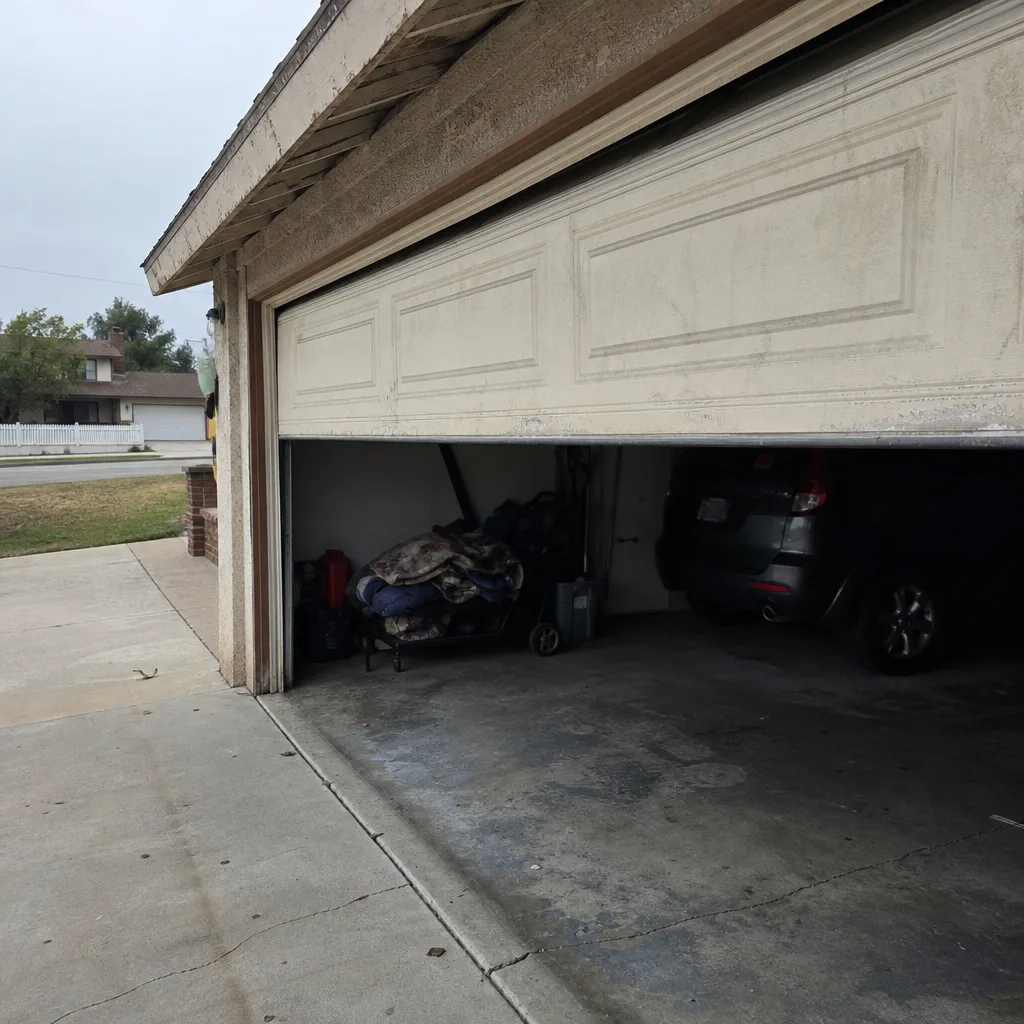 Before
 After
 Before
 After
 Before
 After